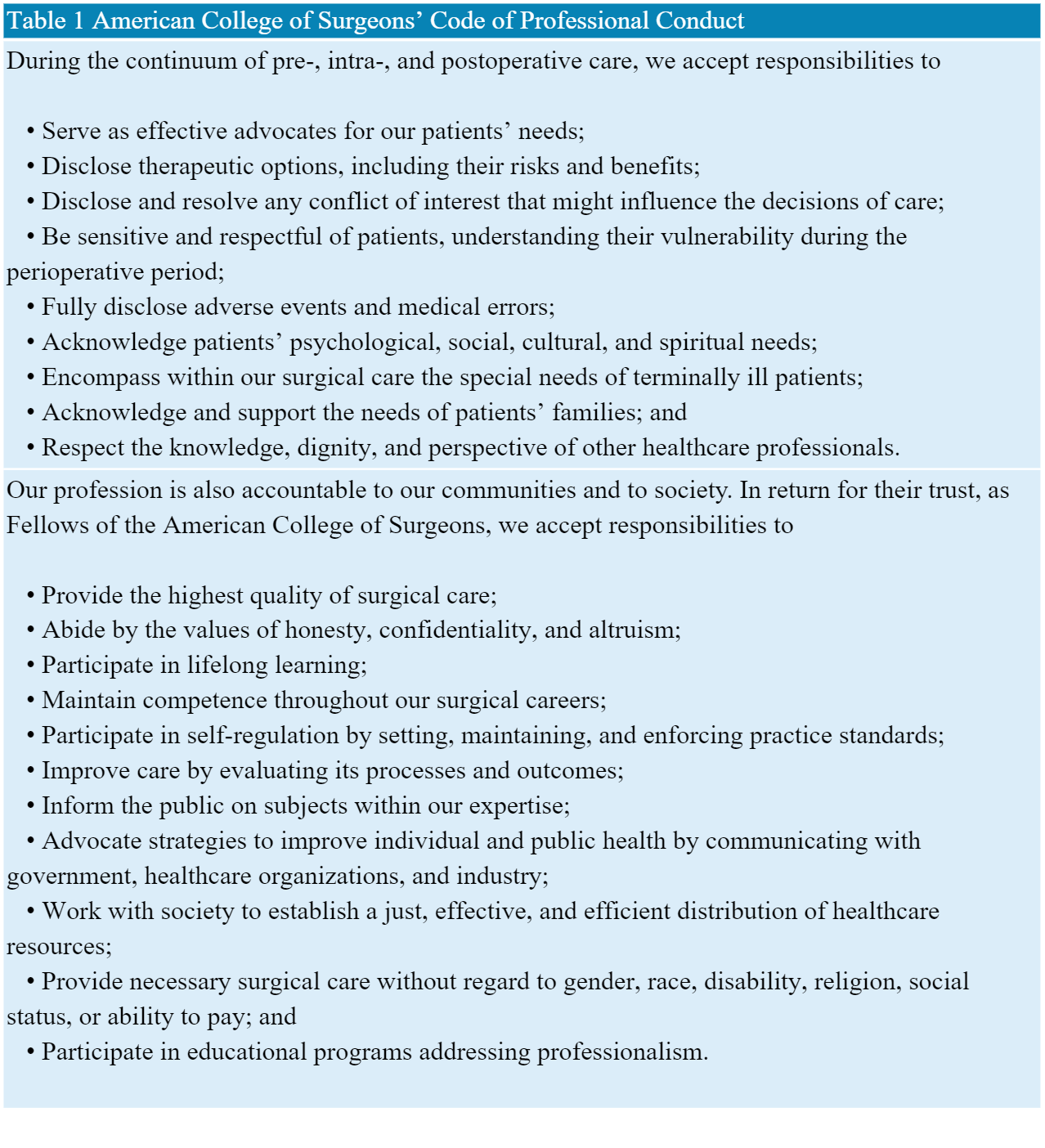
- The central feature of medical ethics is the primacy of the patient’s interests.
- The ethical obligations of a for-profit corporation include maximizing profit and growth.
- The rise of entrepreneurialism and the growing corporatization of medicine also challenge the traditions of virtue-based medical care. When these processes are allowed to dominate medicine, health care becomes a commodity.
- The different obligations of business and medical ethics call the appropriateness of applying industrial models to provision of health care into question. It is no less than each of our professional duties to address these tensions where they exist.
Latest Updates


Critical Care: Diagnostic Imaging Techniques
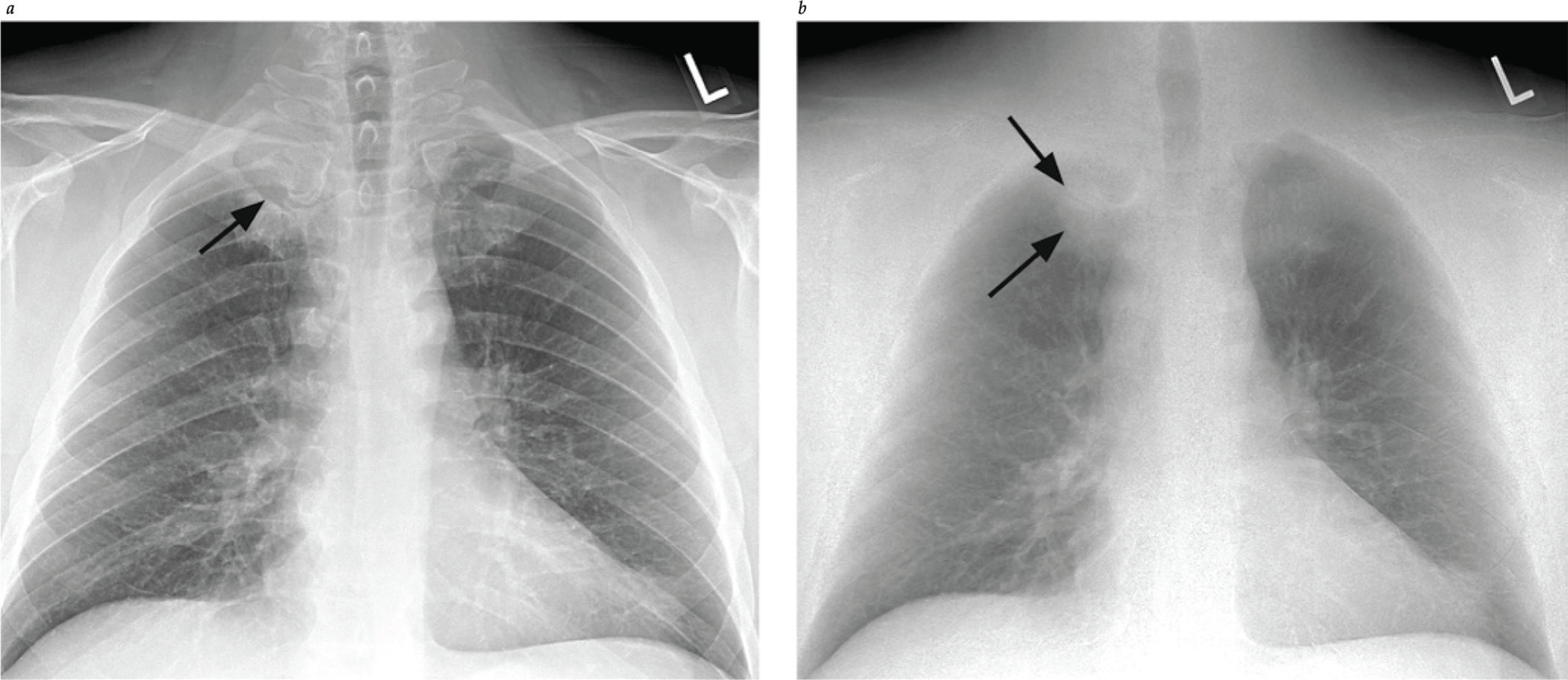
- Recently developed dual-energy chest radiographs can detect calcium in lesions or remove overlapping bone to confirm the presence of a lesion
- Automatic tube current and tube potential modulation reduces computed tomography radiation risk by optimizing the radiation dose to the patient size and scan region
- Positron emission tomography has limited applicability in low-grade adenocarcinoma and carcinoid tumors owing to poor fluorodeoxyglucose uptake in these clinical concerns

Surgical Treatment of Stage I Rectal Cancer
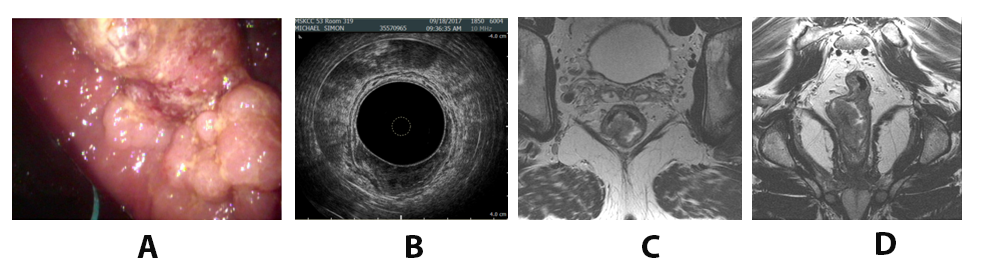
- Minimally invasive platforms facilitate removal of rectal tumors that are beyond the reach of conventional transanal excision techniques.
- The use of neoadjuvant chemoradiotherapy may make local excision a viable option for T2 rectal tumors.
- Outcomes for immediate salvage surgery are generally better than for delayed salvage surgery.

Medications and Botulinum Toxin for Overactive Bladder
- Emerging role of beta agonist therapy for treatment of OAB
- The pharmacologic use of onabotulinumtoxinA (Botox®) upgraded to strongest rating of “standard" (strength of evidence grade B) by the amended 2014 AUA/SUFU guidelines.
- Studies reporting trigonal injections of Botox may be associated with superior continence rates

Pharmacologic Management for Cancer Pain
- Evidence-based guidelines are now available to help assess risk and selection of pharmacologic options for pain control.
- Mechanism-based selection of analgesic medications is likely to maximize analgesic coverage by improving efficacy and reducing adverse effects and cost of treatment.
- The need to identify alternative viable treatment options is evident with an increase in system restrictions.

- 2019 ASCRS Practice Guidelines Update. See Table 9 for further details.
- Recent advances in multimodality treatment of appendiceal neoplasm with peritoneal involvement including surgery and intraperitoneal chemotherapy.
- Current trends in intraperitoneal chemotherapy: hyperthermic intraperitoneal chemotherapy (HIPEC) versus early postoperative intraperitoneal chemotherapy (EPIC).
- Recent advances in understanding low-grade appendiceal neoplasm and the focus of current and future clinical trials.

Postoperative Management of the Hospitalized Patient
Enhanced recovery after surgery (ERAS) pathways have been advanced for the purposes of cost containment, standardization of care, and standardization of surgical outcomes. Adoption of an ERAS pathway has been associated with a shortened length of hospital stay and improved outcomes in colorectal surgery in randomized prospective trials, which has led to the implementation of the ERAS approach in other procedures. Each pathway is specific to a given procedure, and no universal postoperative pathway has been proposed or investigated.

Pulmonary Diseases: Preoperative Assessment
- After emergence from general anesthesia, vital capacity may remain decreased from baseline in 50% of healthy patients for up to 1 week postoperatively.
- A change from the upright to supine position alone reduces FRC by approximately 0.8 to 1.0 L. This underscores the importance of perioperative optimization to prevent postoperative atelectasis.
- There is no prohibitive level of obstruction on spirometry that precludes surgery. Routine perioperative spirometry testing has not been associated with decreased rates of PPCs or mortality, and PFTs should not be the primary or sole determinant for denying surgery.
- Patients with well-controlled asthma that require general anesthesia with endotracheal intubation are not considered at higher risk for PPCs than the general surgical population.
- Obesity by itself has not been consistently demonstrated to be an independent risk factor for PPCs across several meta-analyses. Conversely, underweight patients were found to have a fivefold increased risk of 30-day mortality, underscoring the importance of optimizing nutrition status.


.png)