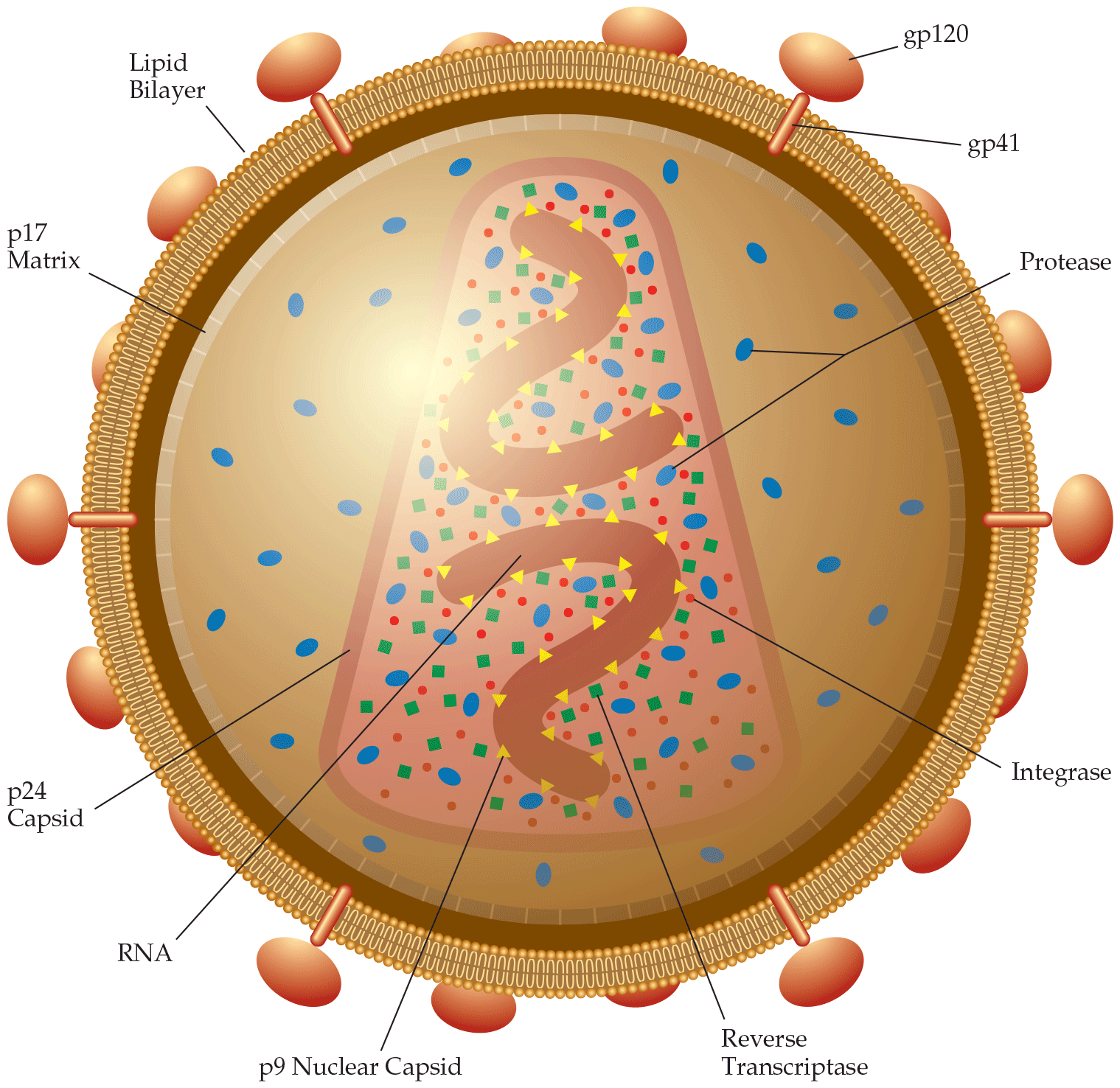
- The first HIV treatment breakthrough came in 1987, with the early termination of a clinical trial of zidovudine because of significantly decreased mortality in patients receiving the drug compared with patients receiving placebo. Unfortunately, in longer-term follow-up, therapeutic benefit diminished as a result of rapid development of HIV escape mutants that conferred resistance to zidovudine.
- Fortunately, ART has fundamentally altered the grim prognosis for most HIV-infected patients and has transformed AIDS from a fatal disease to a treatable chronic one. Before the development of ART, the estimated median time from the appearance of an AIDS-defining condition to death was approximately 1.5 years. ART has extended this to 14 years—and even this figure may underestimate survival in patients using current drug regimens who strictly adhere to their treatment protocols.
- Novel research pertaining to three cured patients treated with allogeneic stem cell transplantation of CCR5Δ32/Δ32 donor cells resulting in lasting remission and viral elimination.
Latest Updates


- Explores the more common diseases that may cause fevers in pediatric patients.
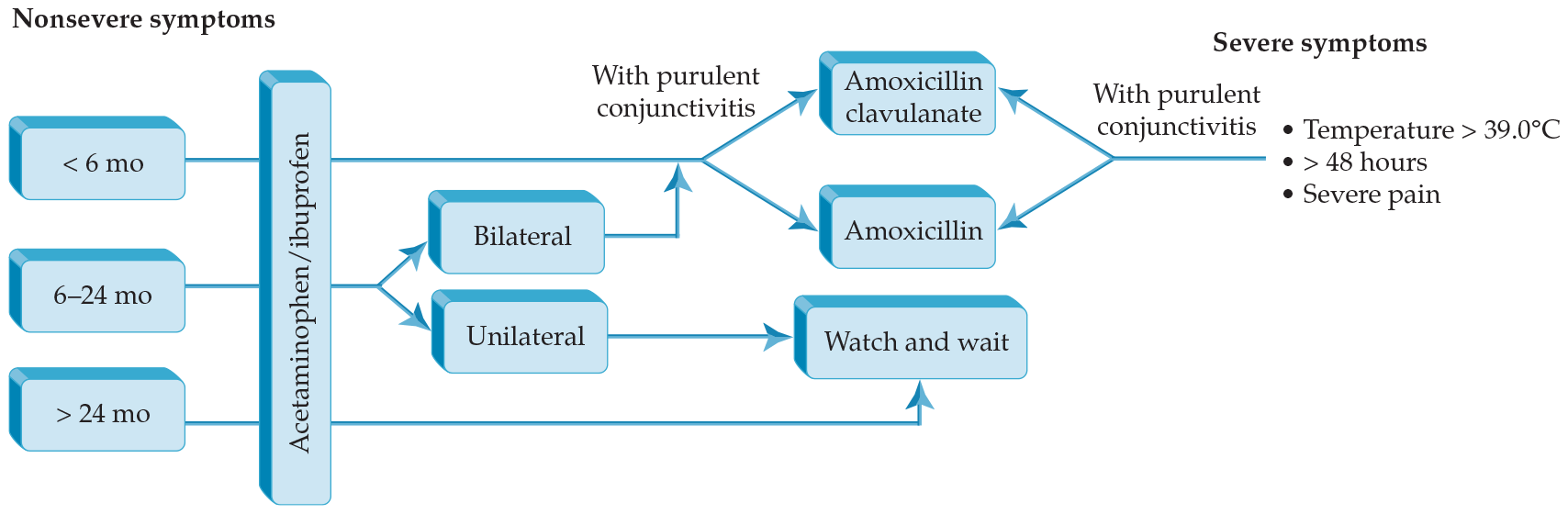
- Provides algorithms to guide practitioners in managing a pediatric fever in various age groups.
- Reinforces that antibiotics be reserved for clinically diagnosed bacterial infections.

- Explores the more common diseases that may cause fevers in pediatric patients.
- Provides algorithms to guide practitioners in managing a pediatric fever in various age groups.
- Reinforces that antibiotics be reserved for clinically diagnosed bacterial infections.

Repair of Infrarenal Abdominal Aortic Aneurysms
- Chronic kidney disease, diabetes, and anemia/thrombocytopenia have been linked to poor outcomes after AAA repair and, therefore, also require investigation and optimization. Current guidelines recommend deferral of aneurysm treatment for active cardiac conditions (unstable angina, recent myocardial infarction, active congestive heart failure, significant arrhythmia, or severe valvular disease).
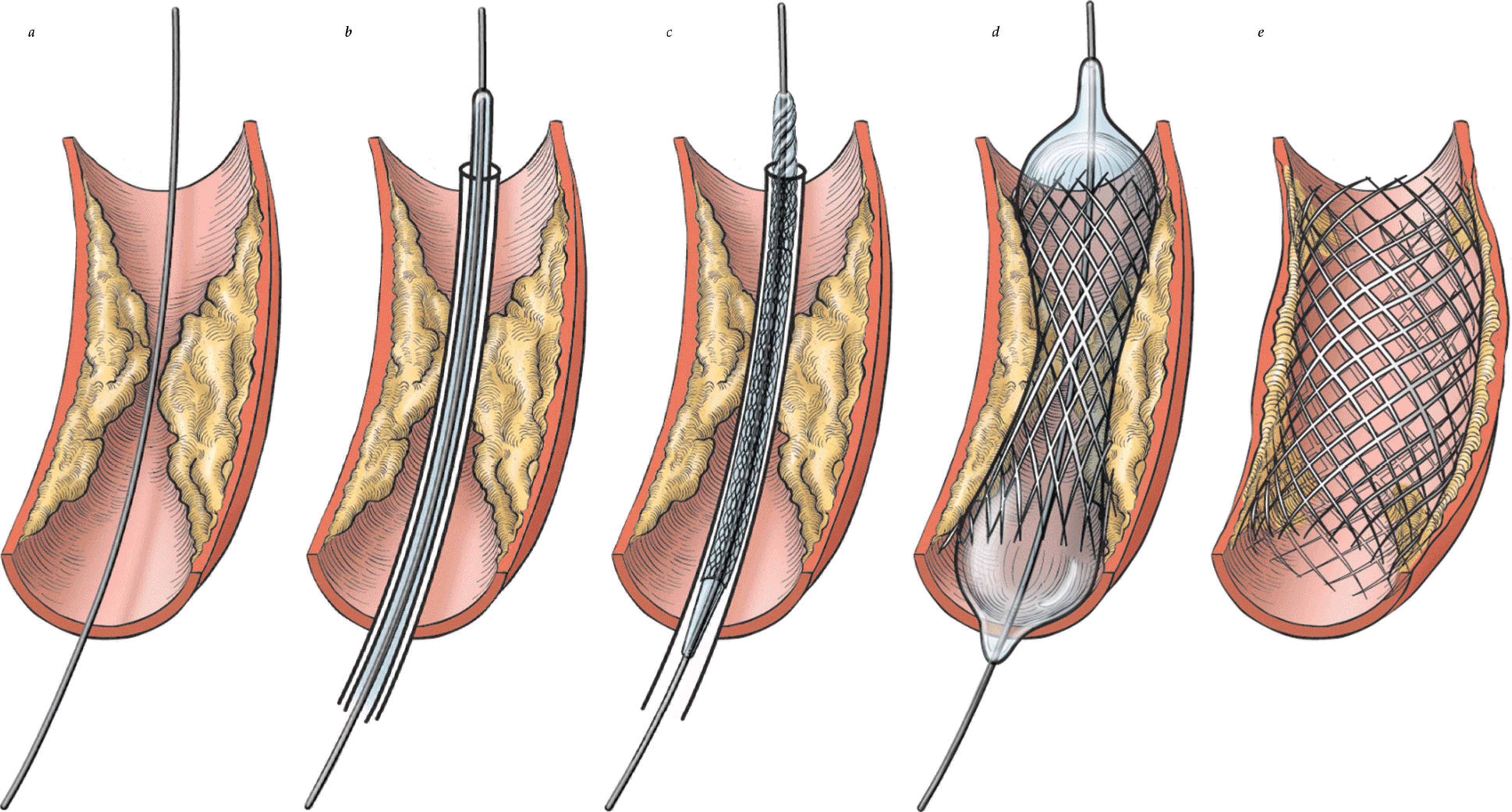
- Iliac disease, whether aneurysmal or occlusive, can present special challenges to endovascular repair of aortic aneurysms. Several options exist to meet these challenges. For common and/or internal iliac artery aneurysms, treatment may require embolization of the internal iliac artery and extension of the endograft into the external iliac artery.
- After open repair, patients are typically evaluated in the clinic after several weeks to ensure proper wound healing and progress of recovery. Beyond this, patients may be monitored for the development of incisional hernia and should be considered for imaging with ultrasonography or CT at 5 years to evaluate for aneurysmal degeneration of other areas of the arterial tree, such as the visceral aortic segment or iliac arteries.

Repair of Infrarenal Abdominal Aortic Aneurysms
- Chronic kidney disease, diabetes, and anemia/thrombocytopenia have been linked to poor outcomes after AAA repair and, therefore, also require investigation and optimization. Current guidelines recommend deferral of aneurysm treatment for active cardiac conditions (unstable angina, recent myocardial infarction, active congestive heart failure, significant arrhythmia, or severe valvular disease).
- Iliac disease, whether aneurysmal or occlusive, can present special challenges to endovascular repair of aortic aneurysms. Several options exist to meet these challenges. For common and/or internal iliac artery aneurysms, treatment may require embolization of the internal iliac artery and extension of the endograft into the external iliac artery.
- After open repair, patients are typically evaluated in the clinic after several weeks to ensure proper wound healing and progress of recovery. Beyond this, patients may be monitored for the development of incisional hernia and should be considered for imaging with ultrasonography or CT at 5 years to evaluate for aneurysmal degeneration of other areas of the arterial tree, such as the visceral aortic segment or iliac arteries.

Repair of Infrarenal Abdominal Aortic Aneurysms
- Chronic kidney disease, diabetes, and anemia/thrombocytopenia have been linked to poor outcomes after AAA repair and, therefore, also require investigation and optimization. Current guidelines recommend deferral of aneurysm treatment for active cardiac conditions (unstable angina, recent myocardial infarction, active congestive heart failure, significant arrhythmia, or severe valvular disease).
- Iliac disease, whether aneurysmal or occlusive, can present special challenges to endovascular repair of aortic aneurysms. Several options exist to meet these challenges. For common and/or internal iliac artery aneurysms, treatment may require embolization of the internal iliac artery and extension of the endograft into the external iliac artery.
- After open repair, patients are typically evaluated in the clinic after several weeks to ensure proper wound healing and progress of recovery. Beyond this, patients may be monitored for the development of incisional hernia and should be considered for imaging with ultrasonography or CT at 5 years to evaluate for aneurysmal degeneration of other areas of the arterial tree, such as the visceral aortic segment or iliac arteries.

Focused Assessment with Sonography for Trauma
- Recent studies indicate that the focused assessment with sonography for trauma (FAST) examination has a more limited sensitivity for intra-abdominal injury than was initially reported
- Validated assessments of FAST examiner skill are being developed to assess user competence and control for the factor of operator dependence
- The extended FAST (E-FAST) examination is a reliable method for rapidly diagnosing pneumothorax and hemothorax at the bedside
- Contrast-enhanced ultrasonography is an area of active research that uses a nonnephrotoxic contrast agent to improve ultrasonographic evaluation of solid-organ injuries

Focused Assessment with Sonography for Trauma
- Recent studies indicate that the focused assessment with sonography for trauma (FAST) examination has a more limited sensitivity for intra-abdominal injury than was initially reported
- Validated assessments of FAST examiner skill are being developed to assess user competence and control for the factor of operator dependence
- The extended FAST (E-FAST) examination is a reliable method for rapidly diagnosing pneumothorax and hemothorax at the bedside
- Contrast-enhanced ultrasonography is an area of active research that uses a nonnephrotoxic contrast agent to improve ultrasonographic evaluation of solid-organ injuries


.png)