Latest Updates

Pediatric Orthopedic Emergencies

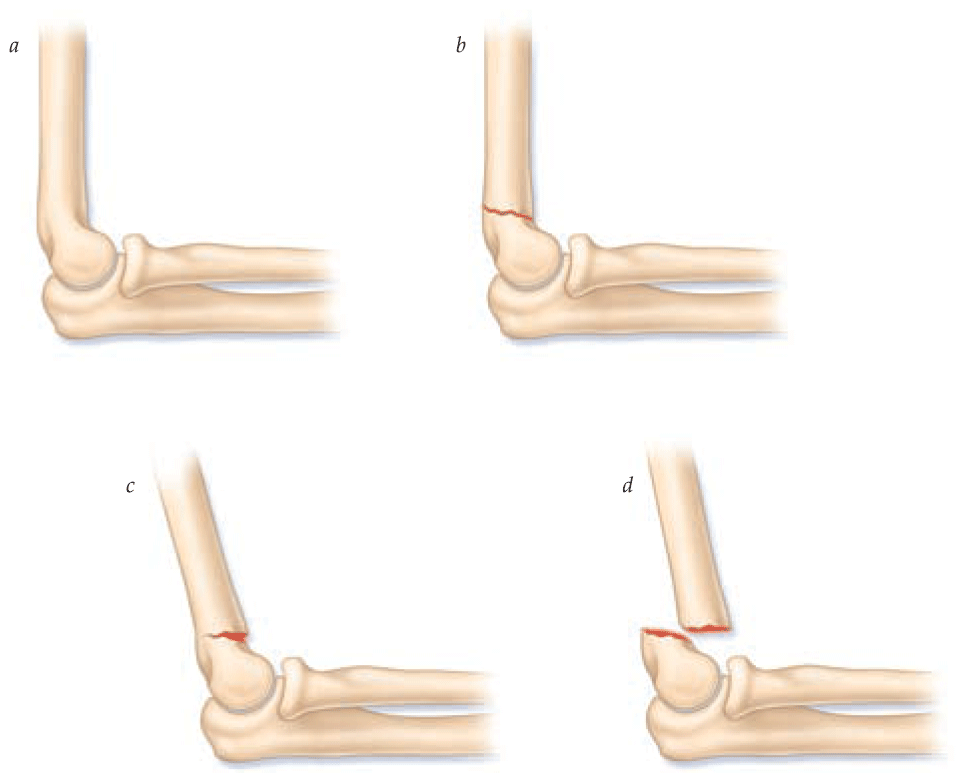
    • Given the differences between pediatric bone characteristics compared with adults’, fractures are much more likely than sprains or strains and must be managed in light of open or partially open growth plates.
    • For pediatric fractures, thorough neurovascular assessment is vital and should be performed frequently during the emergency department visit, including before and after any splint placement or manipulation.
    • Nonaccidental trauma should be considered in cases where a patient’s injury is not consistent with either the history provided or the patient’s developmental age.
    • In children and adolescents with joint pain, careful consideration should be given to septic arthritis and osteomyelitis as presentations may range from indolent symptoms to septic shock.
    • In adolescents presenting with limp, slipped capital femoral epiphysis should be considered. Once the diagnosis is made, the patient should remain non–weight bearing until surgical correction is accomplished.

Patient with Lumbar Spondylosis and Diskogenic Pain

    • Studies suggest that early and gradual physical and behavioral therapies in combination with pharmacologic therapies should be encouraged in all patients as the initial treatment for patients with diskogenic low back pain (LBP).
    • Recent studies have found an association between microbial infection and symptomatic disk degeneration. Low-virulence microorganisms, in particular Propionibacterium acnes, might be causing a chronic low-grade infection in the lower intervertebral disks. A subset of patients with Modic type I changes in magnetic resonance imaging may benefit antibiotic therapy directed at the infected disks by P. acnes and other low-virulence microorganisms. 
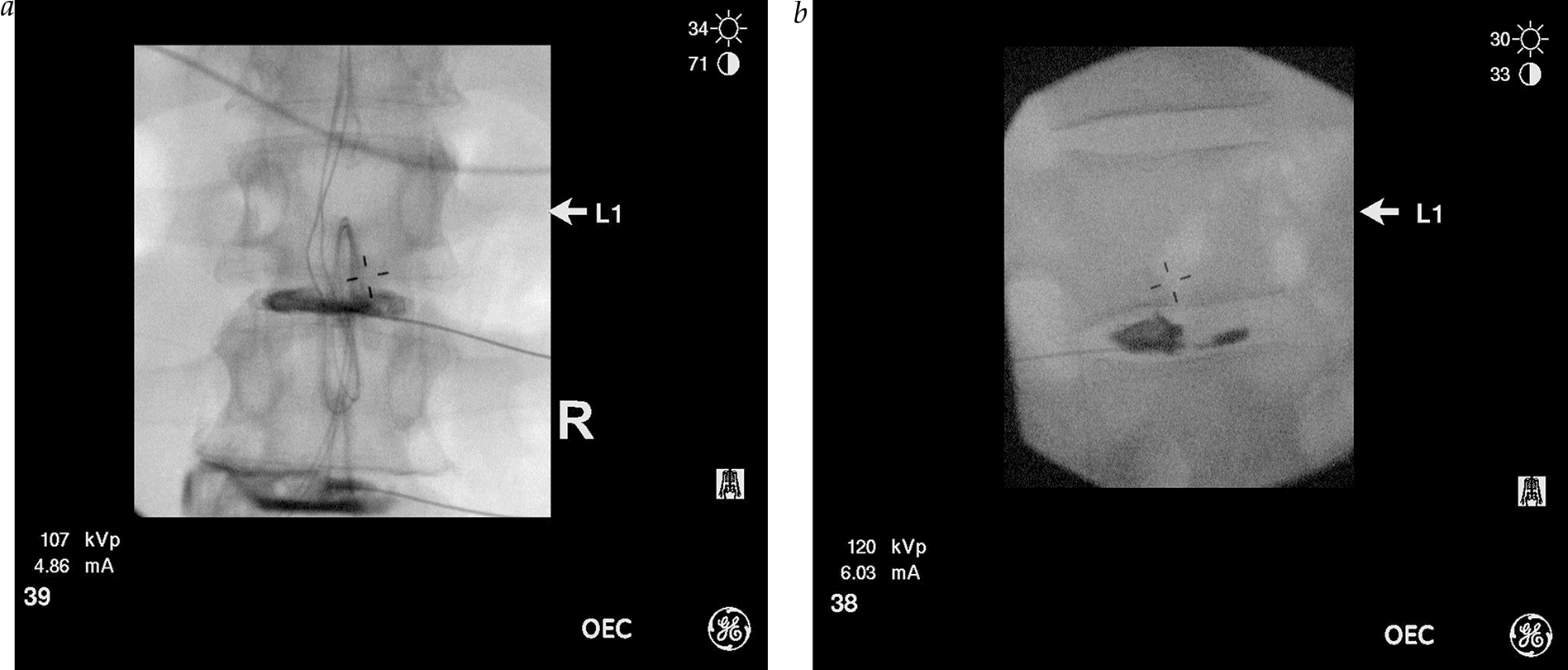
    • There is accumulating evidence to support several interventional therapies for chronic diskogenic LBP. Biacuplasty is supported by level Ib evidence. Epidural steroid injection and gray ramus communicans radiofrequency ablation are supported by level II evidence. Intradiskal injections with methylene blue, ozone, or steroid have variable levels of evidence.
    • Regenerative strategies using cell-based therapies have shown promise to provide equal or even better outcomes compared with surgical spinal fusion or total disk replacement with an artificial disk.

Patient with Lumbar Spondylosis and Diskogenic Pain

    • Studies suggest that early and gradual physical and behavioral therapies in combination with pharmacologic therapies should be encouraged in all patients as the initial treatment for patients with diskogenic low back pain (LBP).
    • Recent studies have found an association between microbial infection and symptomatic disk degeneration. Low-virulence microorganisms, in particular Propionibacterium acnes, might be causing a chronic low-grade infection in the lower intervertebral disks. A subset of patients with Modic type I changes in magnetic resonance imaging may benefit antibiotic therapy directed at the infected disks by P. acnes and other low-virulence microorganisms. 
    • There is accumulating evidence to support several interventional therapies for chronic diskogenic LBP. Biacuplasty is supported by level Ib evidence. Epidural steroid injection and gray ramus communicans radiofrequency ablation are supported by level II evidence. Intradiskal injections with methylene blue, ozone, or steroid have variable levels of evidence.
    • Regenerative strategies using cell-based therapies have shown promise to provide equal or even better outcomes compared with surgical spinal fusion or total disk replacement with an artificial disk.

Pericardial Diseases

    • Colchicine demonstrated to be an effective first-line agent both for initial and recurrent pericarditis.
    • Steroids should be avoided except in rare circumstance due to increased risk of recurrence.
    • Bedside ultrasonography is an indispensable tool in the diagnosis and management of pericardial effusion/tamponade.

Pericardial Diseases

    • Colchicine demonstrated to be an effective first-line agent both for initial and recurrent pericarditis.
    • Steroids should be avoided except in rare circumstance due to increased risk of recurrence.
    • Bedside ultrasonography is an indispensable tool in the diagnosis and management of pericardial effusion/tamponade.

Operative Vaginal Delivery

    • Evidence that outcomes are similar for babies delivered spontaneously as compared to those delivered by forceps or vacuum.  
    • It is difficult to isolate operative delivery as an independent risk factor for OASIS because many other risk factors for OASIS are also risk factors for operative delivery, such as prolonged second stage of labor, obesity, maternal age, and a large-for-gestational-age fetus.
    • Simulation curricula for teaching operative delivery technique has been studied and found to decrease the rate of third- and fourth-degree lacerations in one institution’s study. 

Process Improvement in Surgery

    • A number of reports supporting the efficacy of process improvement are available. Jimmerson and colleagues, describing results across a broad range of clinical areas at a university-based quarternary medical center, published both general and specific instances of improvement in efficiency and quality. OR processes such as OR turnaround and surgical throughput are fertile areas for such work.
    • A core innovation in the origin of “scientific management” was the focus on the details of industrial processes by Frederick W. Taylor. Taylor’s work comes down to us today in the process flow diagram (in TPS Lean terminology, the process flow diagram is referred to as a “value stream map”), which is a schematic representation of the steps in any process, frequently annotated with time intervals and comments. 

Clinical Aspects of Alzheimer Disease

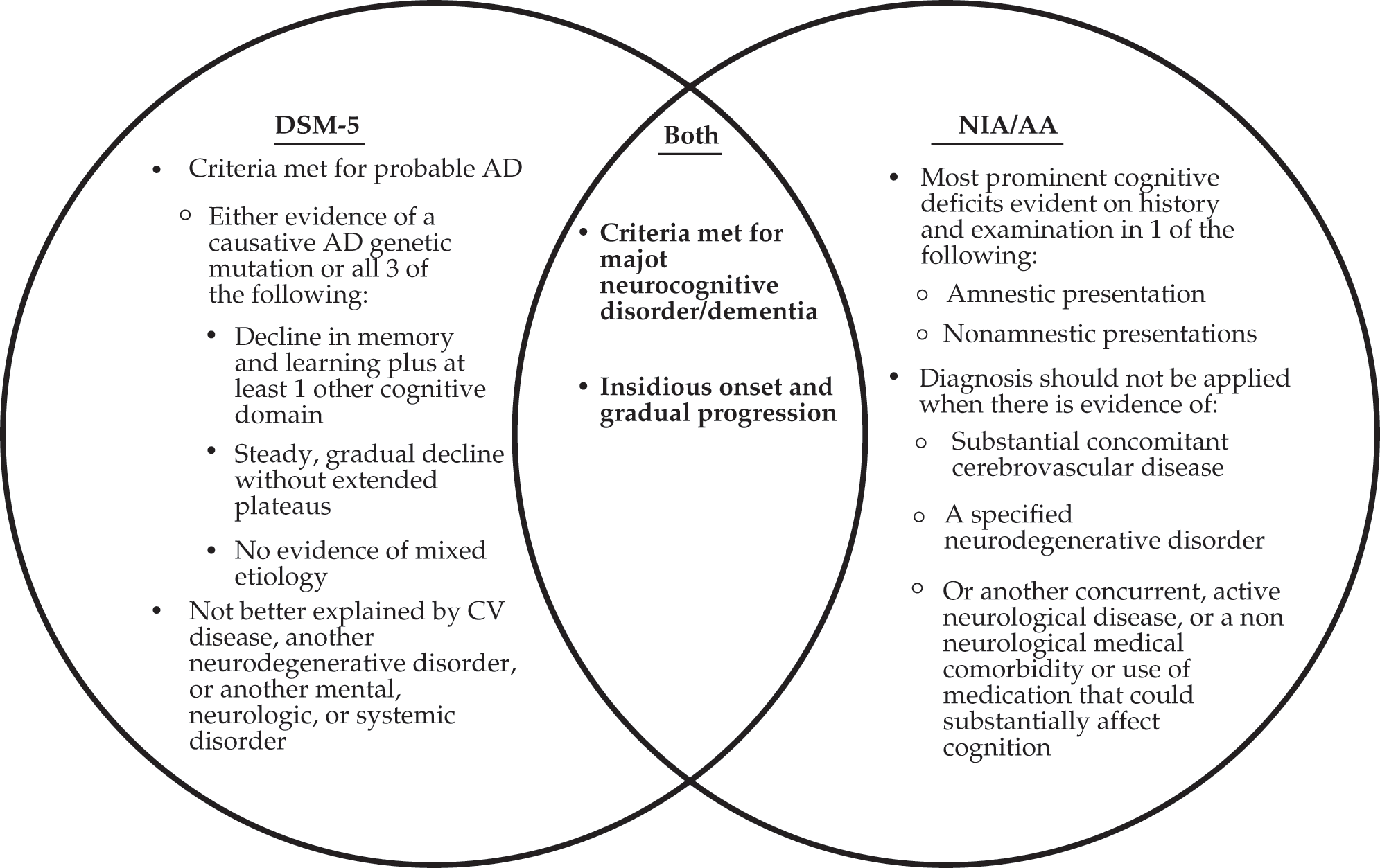
    • Amyloid positron emission tomography is available for aiding in the diagnosis of Alzheimer disease as an etiology of dementia, but its role in routine clinical practice has not been established.
    • Genotyping of dementia patients for diagnostic purposes is not currently recommended at this time. Persons who carry at least one copy of the e4 allele of the APOE gene are at slightly greater risk for developing dementia due to AD. 
    • The mental status examination is a cornerstone of the diagnosis of AD dementia. The Montreal Cognitive Assessment (MoCA) represents the most recent attempt to craft a bedside examination that is more sensitive and specific for milder symptomatic disease than the older Mini-Mental State examination.
« Previous | Next »
Updates per yearSpecialty updatesNumber of sections