- Intra-aortic balloon counterpulsation in cardiac surgery
- Short-term percutaneous and surgically placed devices for circulatory support
- Long-term continuous-flow left ventricular assist devices in the treatment of chronic heart failure
- Extracorporeal membrane oxygenation (ECMO) for the treatment of acute heart failure and cardiogenic shock
- ECMO applications in the setting of advanced cardiac life support, or extracorporeal life support
Latest Updates

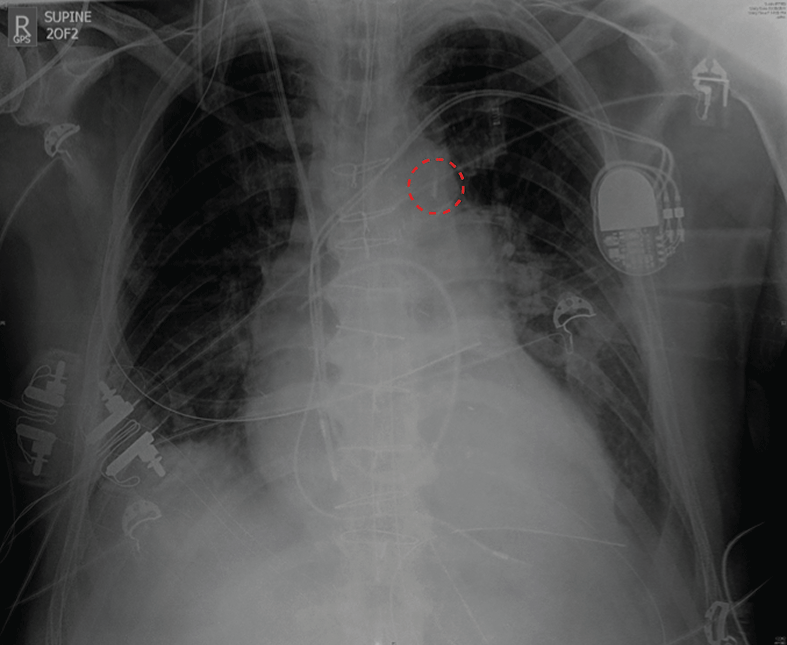

- Intra-aortic balloon counterpulsation in cardiac surgery
- Short-term percutaneous and surgically placed devices for circulatory support
- Long-term continuous-flow left ventricular assist devices in the treatment of chronic heart failure
- Extracorporeal membrane oxygenation (ECMO) for the treatment of acute heart failure and cardiogenic shock
- ECMO applications in the setting of advanced cardiac life support, or extracorporeal life support

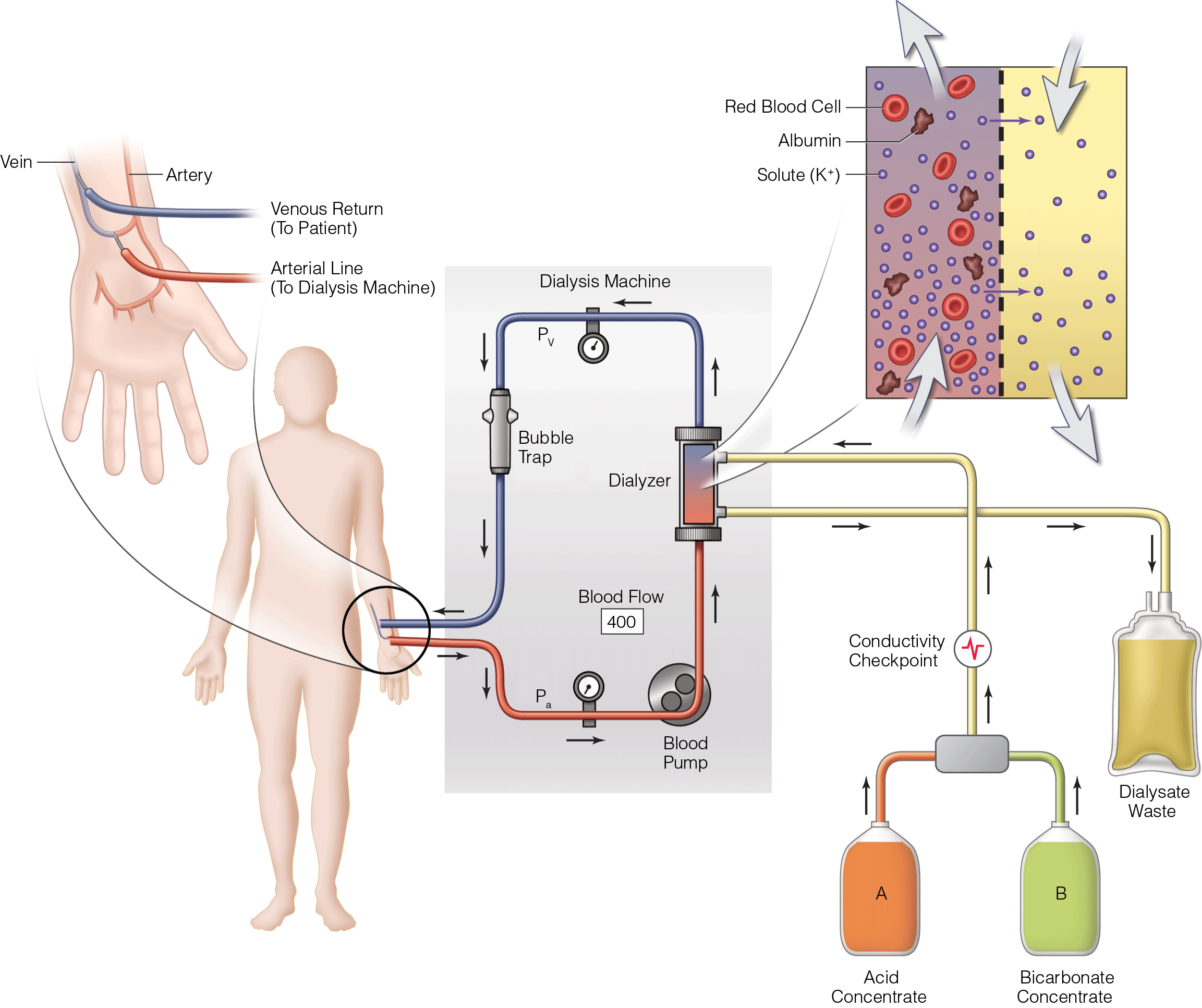
Acute Kidney Injury in Critically Ill Patients
- Sepsis as a prevalent syndrome and precipitant for AKI in the surgical ICU population
- Biomarkers as tool to facilitate early diagnosis of AKI
- AKI severity and duration as determinants of poor long-term outcome
- AKI severity as stratification tool for those that may benefit from closer monitoring
- Intra-aortic balloon counterpulsation in cardiac surgery
- Short-term percutaneous and surgically placed devices for circulatory support
- Long-term continuous-flow left ventricular assist devices in the treatment of chronic heart failure
- Extracorporeal membrane oxygenation (ECMO) for the treatment of acute heart failure and cardiogenic shock
- ECMO applications in the setting of advanced cardiac life support, or extracorporeal life support
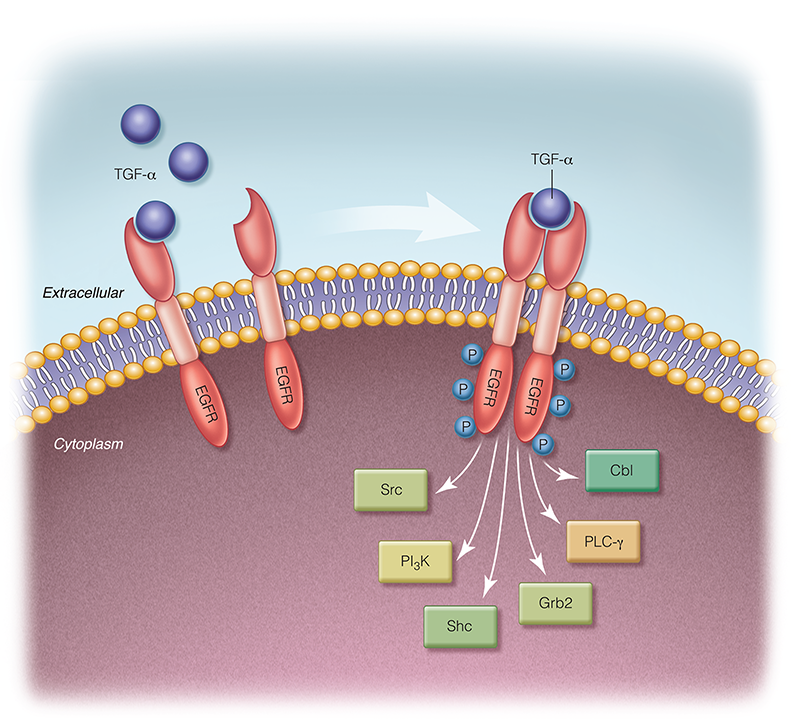
- In the United States, an estimated 14.5 million Americans had a history of cancer as of January 1, 2014, with the most common types being prostate, breast, and colon and rectal cancers… Recent studies have indicated that metastases may remain in a latent or dormant state in the body… The DASatinib versus Imatinib Study In Treatment-Naïve Chronic Myelogenous Leukemia (CML) patients (DASISION) study, a randomized, phase III clinical trial comparing dasatinib versus imatinib therapy in patients with chronic-phase CML, demonstrated a deeper response and an improved 3-year progression-free overall survival in patients on dasatinib therapy compared with imatinib.
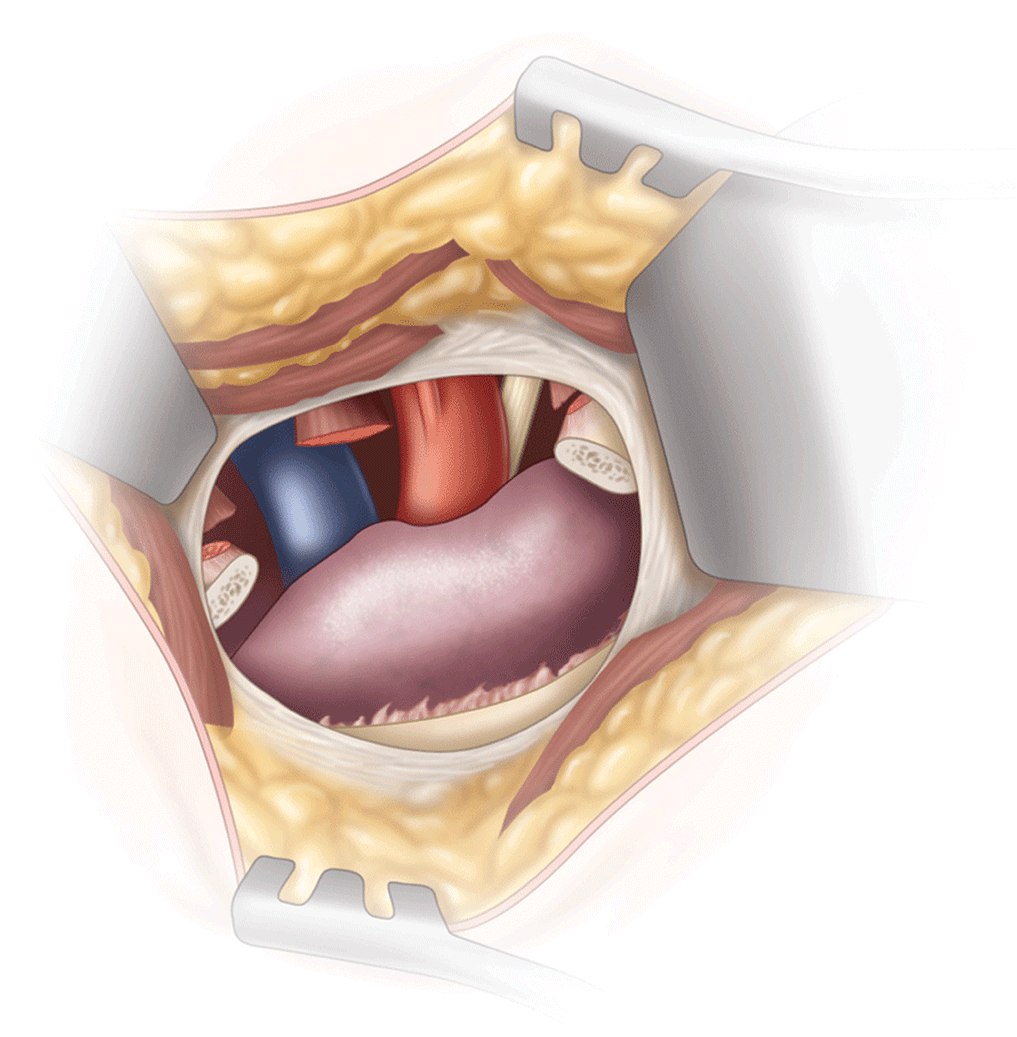
- TOS is divided into three distinct subtypes: neurogenic, venous, and arterial. Symptoms are produced relative to which of the neurovascular structures is compressed in the thoracic outlet.
- Recent data on long-term results after thoracic outlet decompression for neurogenic thoracic outlet syndrome
- New video of transaxillary first rib resection and anterior scalenectomy from the surgeon’s perspective
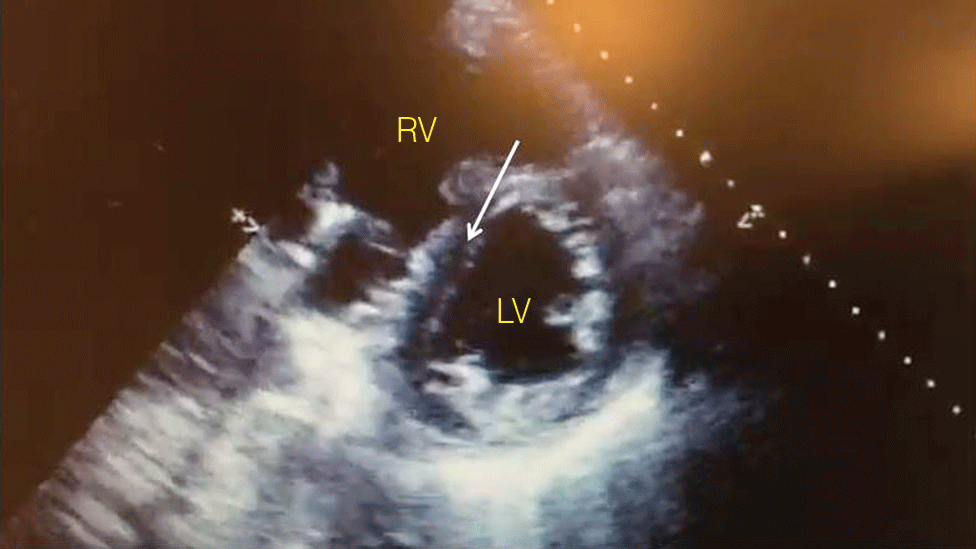
Deep Vein Thrombosis and Venous Thromboembolism in the Critically Ill
- Point-of-care ultrasonography for bedside diagnosis of deep vein thrombosis and pulmonary embolism
- Evidence-based guidelines for deep vein thrombosis prophylaxis among trauma patients
- Recommendations for therapeutic anticoagulation, including a discussion of non–vitamin K oral anticoagulation agents
- TOS is divided into three distinct subtypes: neurogenic, venous, and arterial. Symptoms are produced relative to which of the neurovascular structures is compressed in the thoracic outlet.
- Recent data on long-term results after thoracic outlet decompression for neurogenic thoracic outlet syndrome
- New video of transaxillary first rib resection and anterior scalenectomy from the surgeon’s perspective








.png)