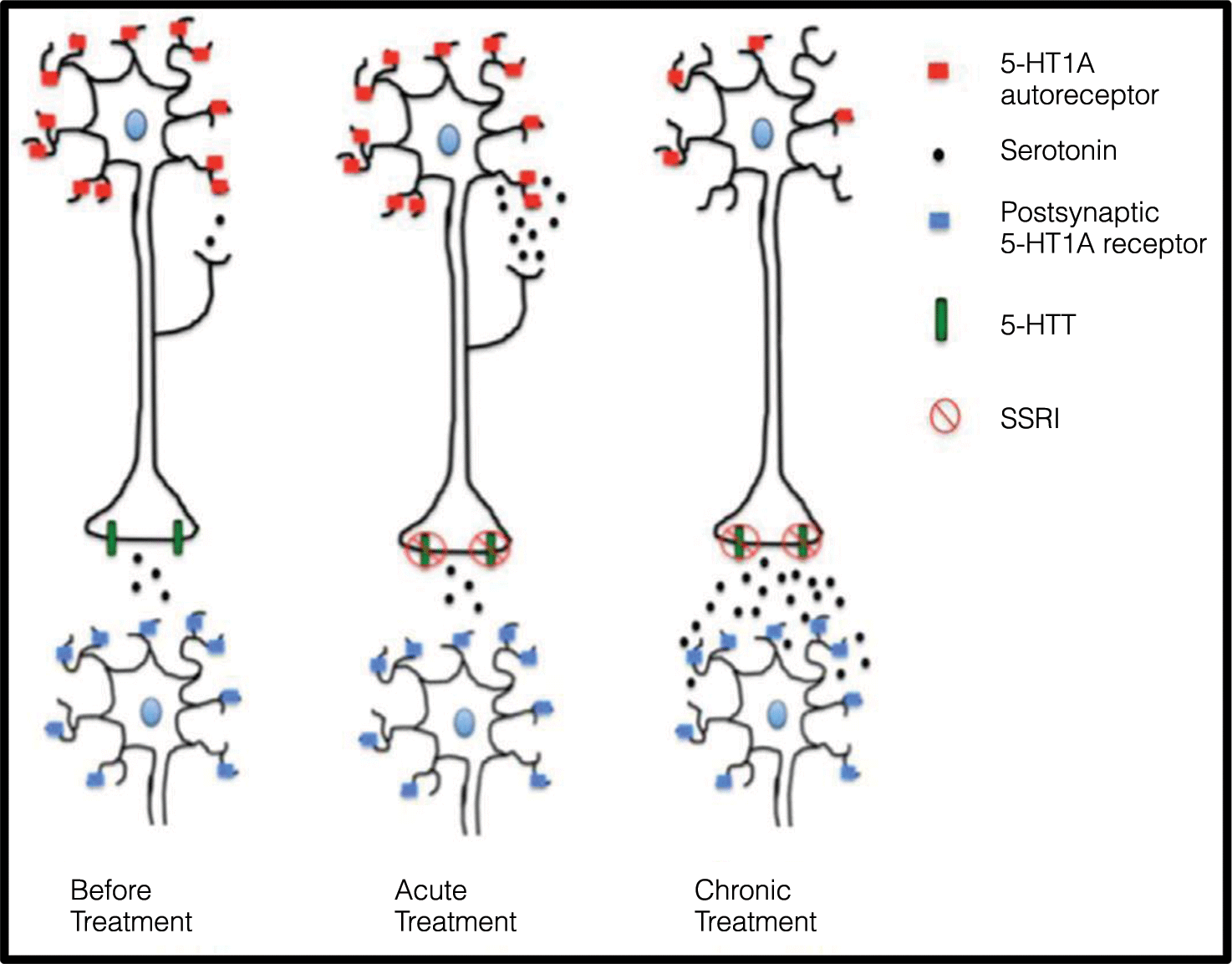
- Antidepressants have clinical utility for many psychiatric conditions, including major depressive disorder and anxiety disorders.
- Multiple classes of antidepressants are currently FDA-approved, including selective serotonin reuptake inhibitors, serotonin norepinephrine reuptake inhibitors, tricyclic antidepressants, and antidepressants with multiple mechanisms of action.
- Adverse effects from antidepressants typically occur earlier than symptom resolution and may result in nonadherence.
- Patients should be counseled on the timeline of onset of therapeutic effects.
- Factors such as side effect profile, age, and past history of response guide the selection of antidepressants.
Latest Updates


- Use of ECG monitoring to assess the neonate’s heart rate
- Use food grade plastic bag placed to level of neck to aid in keeping infant warm
- Initiating resuscitation with oxygen levels of 21-30% is recommended while high oxygen levels of 65-100% are not recommended
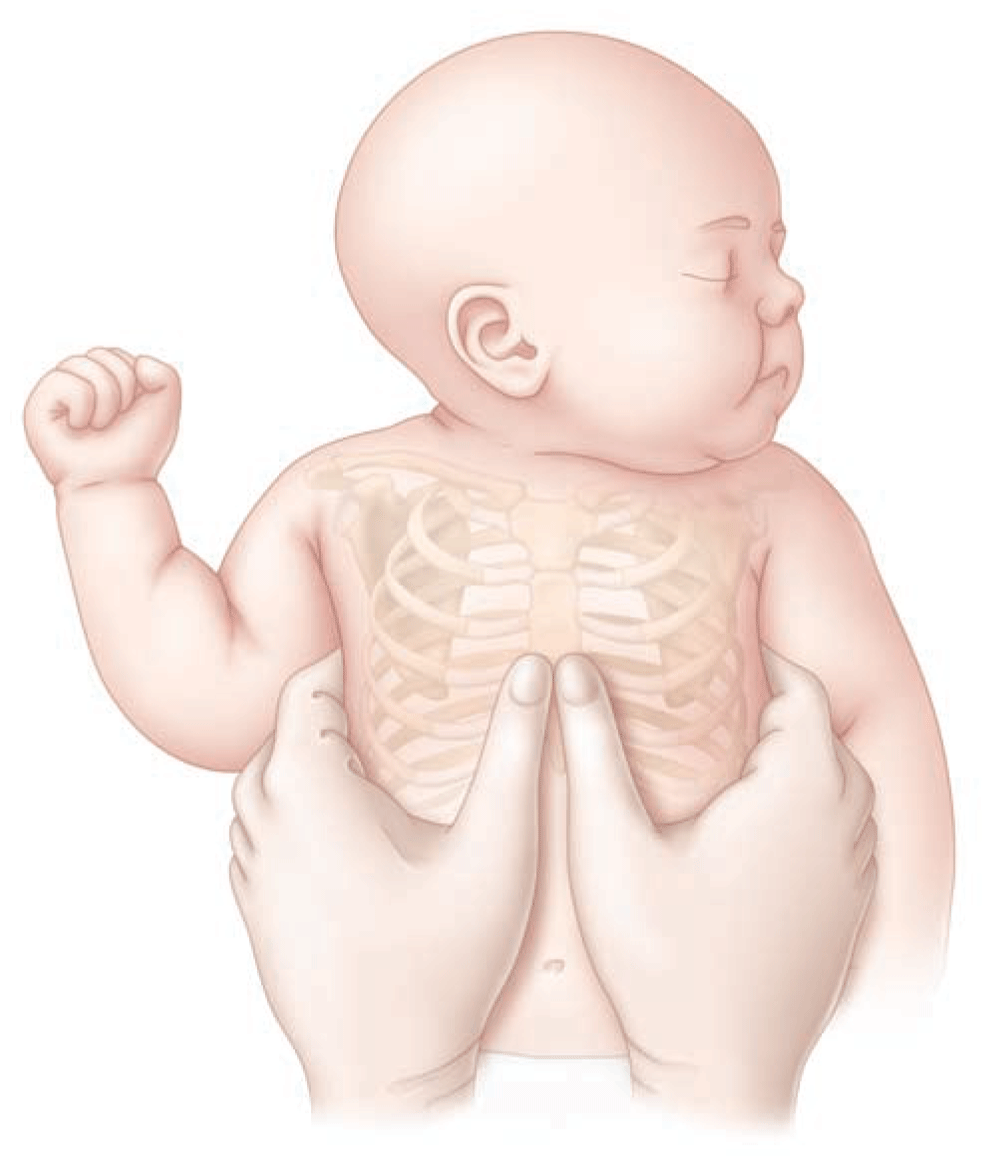
- Two thumb encircling hands technique is recommended over lower 1/3 of sternum compressing at 1/3 of the A-P diameter
- Routine intubation and suctioning is no longer recommended for all cases of meconium

Nerve Blocks and Neurostimulation in the Treatment of Migraine
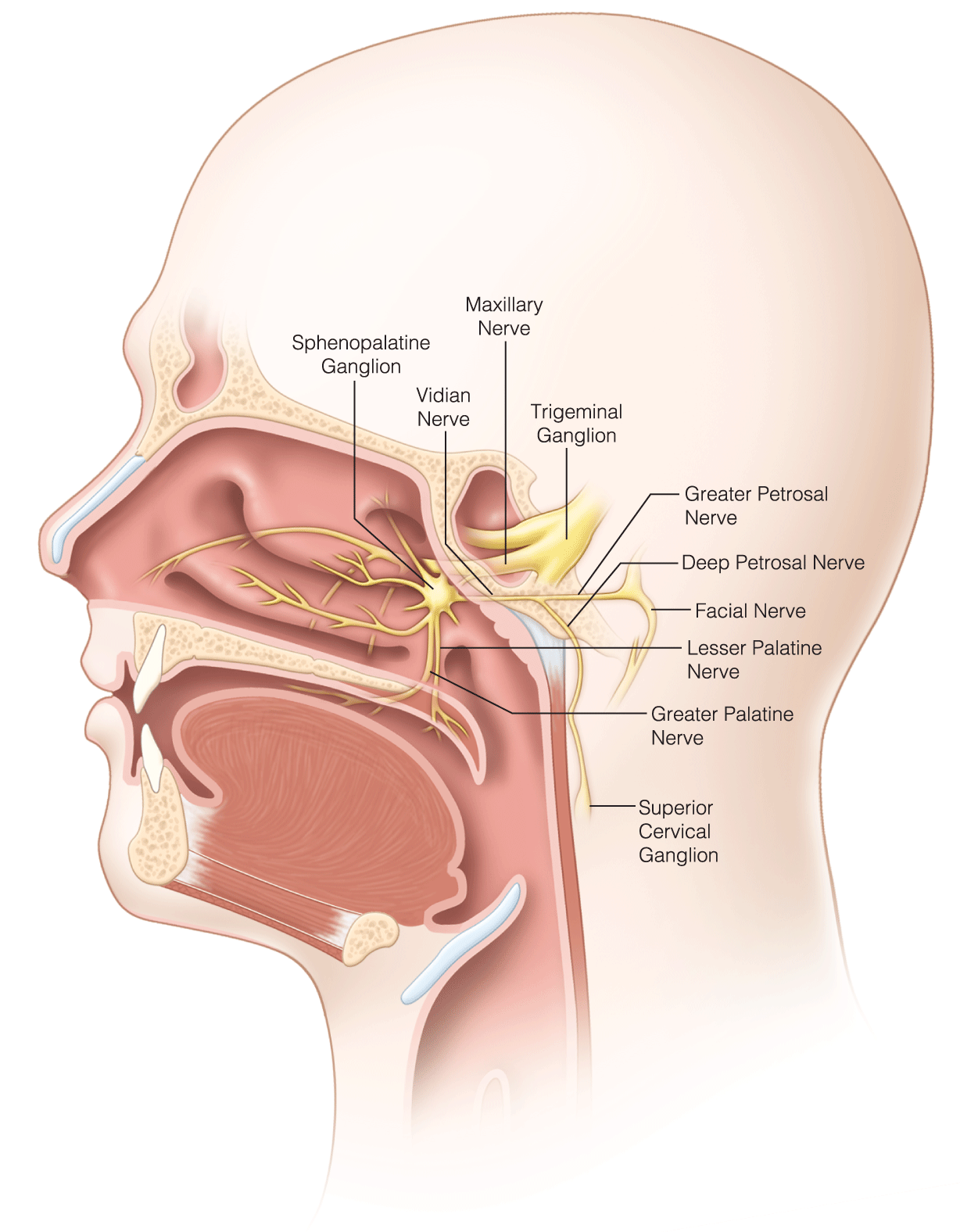
- Peripheral nerve and sphenopalatine ganglion blocks are a safe, effective treatment option for headache disorders, including migraine, although the evidence remains mixed for chronic migraine prophylaxis.
- Neurostimulation has emerged as an effective treatment modality for migraine, with both noninvasive and minimally invasive options available.
- Safe, effective, and noninvasive neurostimulation therapies available for migraine include transcutaneous supraorbital nerve stimulation for prophylaxis and single-pulse transcranial magnetic stimulation for the acute treatment of migraine with aura.
- Occipital nerve stimulation may be effective for some patients with intractable chronic migraine, although the evidence is mixed and procedure-related complications are common.
- Noninvasive vagus nerve stimulation and implanted sphenopalatine ganglion stimulation are emerging treatment options that may be useful for both acute and prophylactic treatment of episodic and chronic migraine.
Nerve Blocks and Neurostimulation in the Treatment of Migraine
- Peripheral nerve and sphenopalatine ganglion blocks are a safe, effective treatment option for headache disorders, including migraine, although the evidence remains mixed for chronic migraine prophylaxis.
- Neurostimulation has emerged as an effective treatment modality for migraine, with both noninvasive and minimally invasive options available.
- Safe, effective, and noninvasive neurostimulation therapies available for migraine include transcutaneous supraorbital nerve stimulation for prophylaxis and single-pulse transcranial magnetic stimulation for the acute treatment of migraine with aura.
- Occipital nerve stimulation may be effective for some patients with intractable chronic migraine, although the evidence is mixed and procedure-related complications are common.
- Noninvasive vagus nerve stimulation and implanted sphenopalatine ganglion stimulation are emerging treatment options that may be useful for both acute and prophylactic treatment of episodic and chronic migraine.

Nerve Blocks and Neurostimulation in the Treatment of Migraine
- Peripheral nerve and sphenopalatine ganglion blocks are a safe, effective treatment option for headache disorders, including migraine, although the evidence remains mixed for chronic migraine prophylaxis.
- Neurostimulation has emerged as an effective treatment modality for migraine, with both noninvasive and minimally invasive options available.
- Safe, effective, and noninvasive neurostimulation therapies available for migraine include transcutaneous supraorbital nerve stimulation for prophylaxis and single-pulse transcranial magnetic stimulation for the acute treatment of migraine with aura.
- Occipital nerve stimulation may be effective for some patients with intractable chronic migraine, although the evidence is mixed and procedure-related complications are common.
- Noninvasive vagus nerve stimulation and implanted sphenopalatine ganglion stimulation are emerging treatment options that may be useful for both acute and prophylactic treatment of episodic and chronic migraine.

Nerve Blocks and Neurostimulation in the Treatment of Migraine
- Peripheral nerve and sphenopalatine ganglion blocks are a safe, effective treatment option for headache disorders, including migraine, although the evidence remains mixed for chronic migraine prophylaxis.
- Neurostimulation has emerged as an effective treatment modality for migraine, with both noninvasive and minimally invasive options available.
- Safe, effective, and noninvasive neurostimulation therapies available for migraine include transcutaneous supraorbital nerve stimulation for prophylaxis and single-pulse transcranial magnetic stimulation for the acute treatment of migraine with aura.
- Occipital nerve stimulation may be effective for some patients with intractable chronic migraine, although the evidence is mixed and procedure-related complications are common.
- Noninvasive vagus nerve stimulation and implanted sphenopalatine ganglion stimulation are emerging treatment options that may be useful for both acute and prophylactic treatment of episodic and chronic migraine.
Group Psychotherapy: Development of a Successful Group
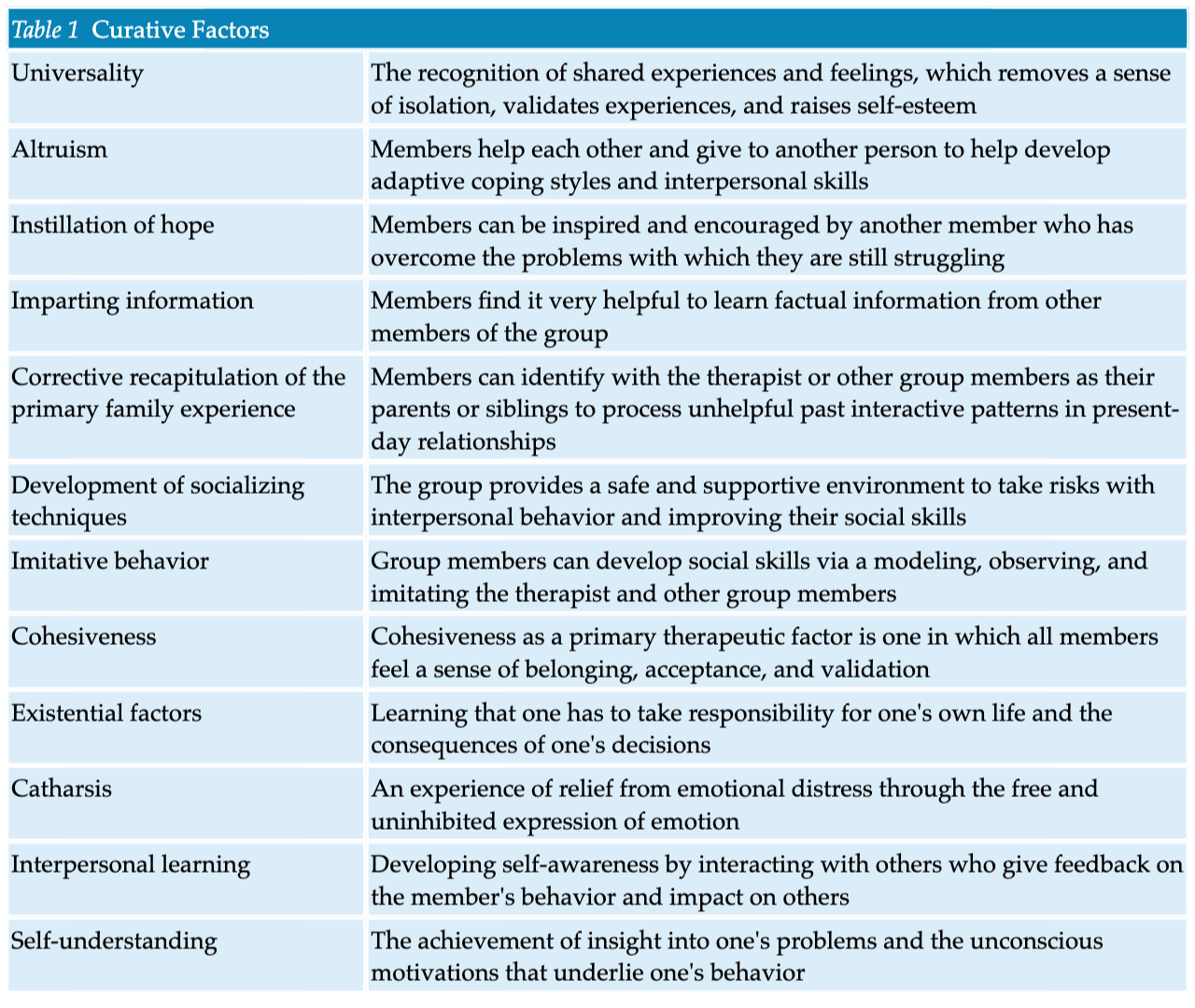
- Cognitive therapy groups address understanding and changing cognitive processes that interact with behavioral, affective, environmental, physiologic, and developmental processes.
- Group therapy with eating disorders yielded similar effectiveness individual psychotherapy, self-help, behavioral weight-loss, and pharmacotherapy.
- Group therapy for social anxiety disorder also obtained large positive effects compared to waitlist control groups and demonstrated equivalence to alternative treatment options.

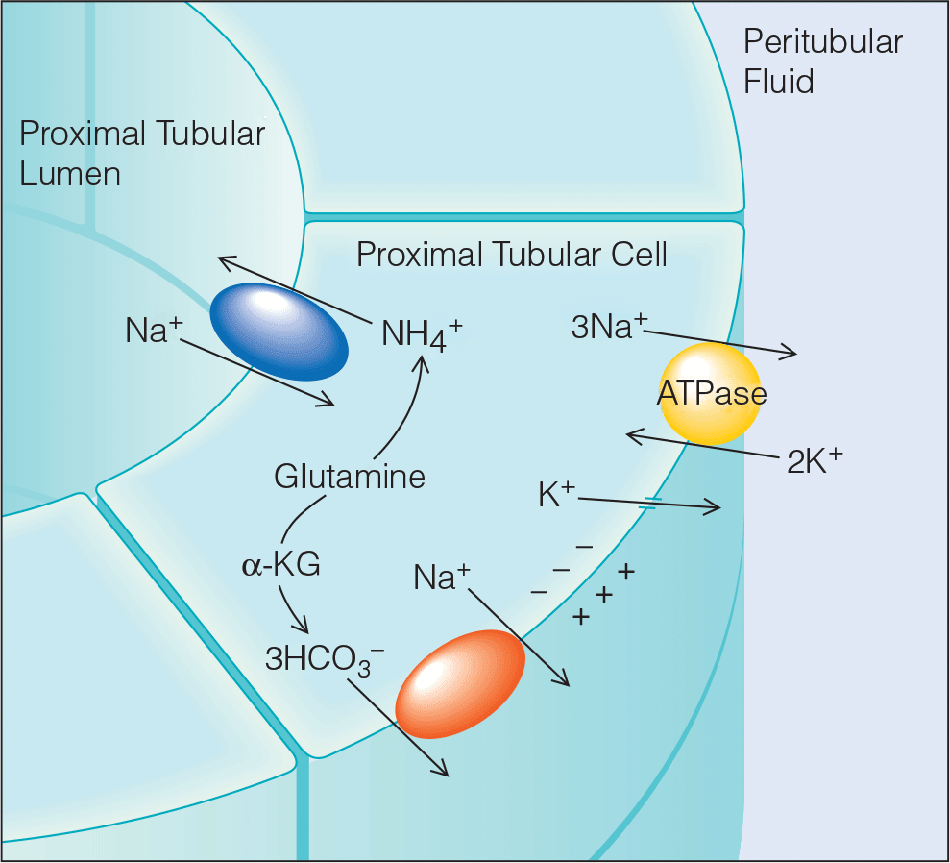
- Detailed physiology of acid-base homeostasis to provide a clearer understanding of the pathophysiology of acid-base disorders
- Updated information on the treatment of metabolic acidosis, including the use of tromethamine and bicarbonate








.png)