Latest Updates

Preparation of the Operating Room

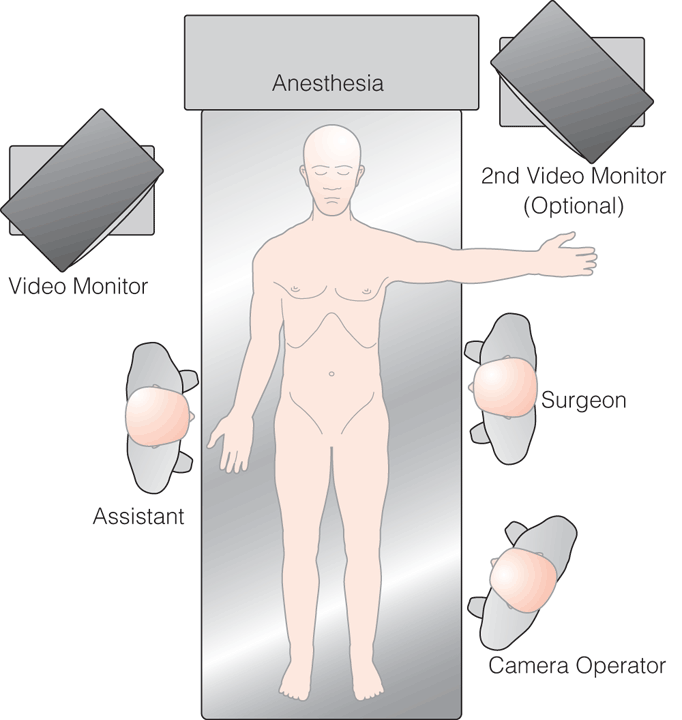
    • It is essential that the placement of the patient, the table, heat-generating devices in the operating room (OR), and drapes take into account the possibility that any malfunctioning device might become a source of ignition.... The two most important principles in maintaining a clean environment are, first, to ensure that all the procedures, antiseptics, and cleaning agents are compatible and that they are used correctly, and, second, to monitor the OR and patient outcomes regularly.... There is a small but measurable risk of hypoglycemia with intensive intravenous insulin therapy, but this risk can be mitigated with continuous or near-continuous glucometry or dynamic scale nomograms.


Professionalism in Surgery

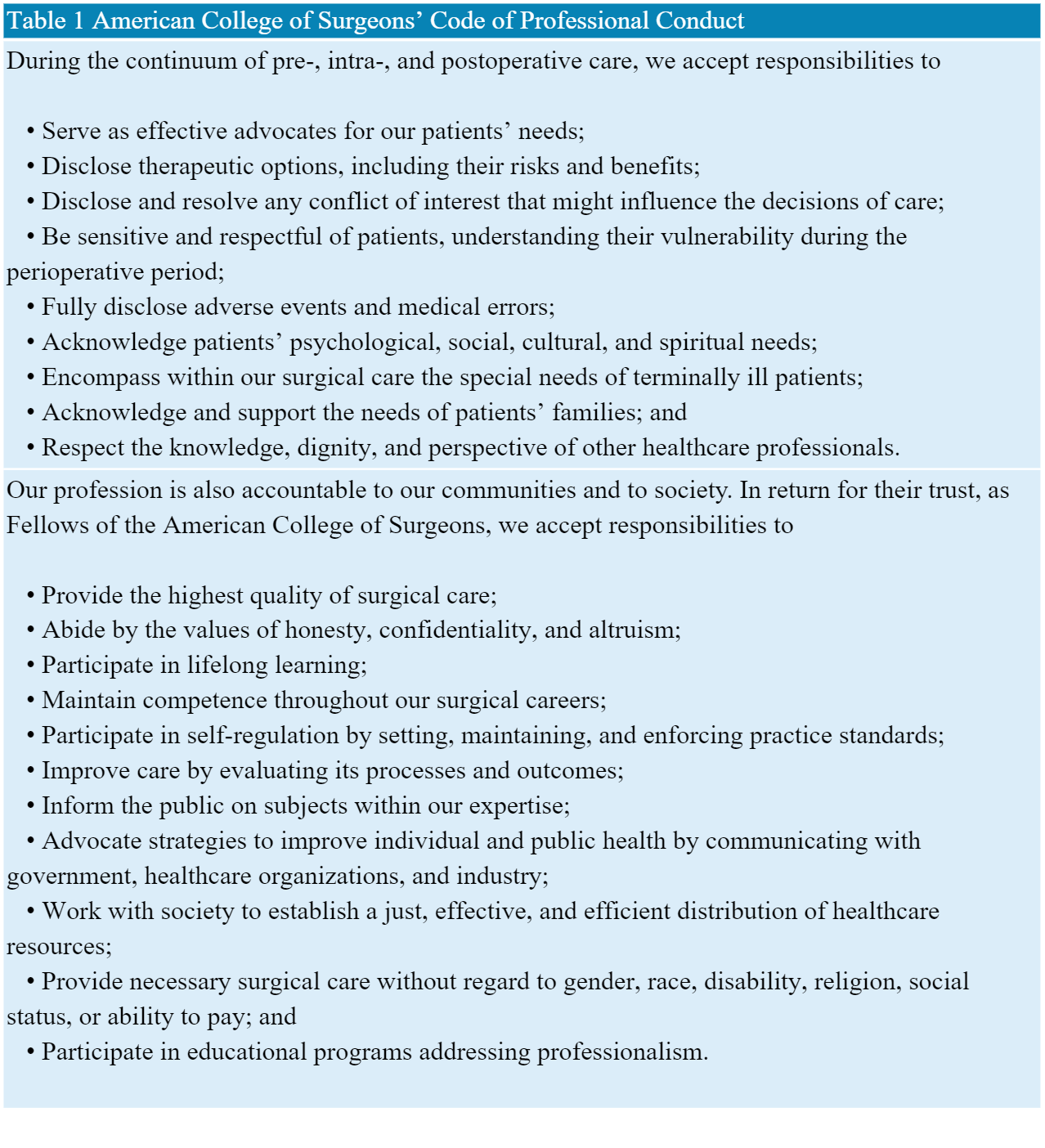
    • The central feature of medical ethics is the primacy of the patient’s interests.
    • The ethical obligations of a for-profit corporation include maximizing profit and growth.
    • The rise of entrepreneurialism and the growing corporatization of medicine also challenge the traditions of virtue-based medical care. When these processes are allowed to dominate medicine, health care becomes a commodity.
    • The different obligations of business and medical ethics call the appropriateness of applying industrial models to provision of health care into question. It is no less than each of our professional duties to address these tensions where they exist.

Acid-Base Disorders

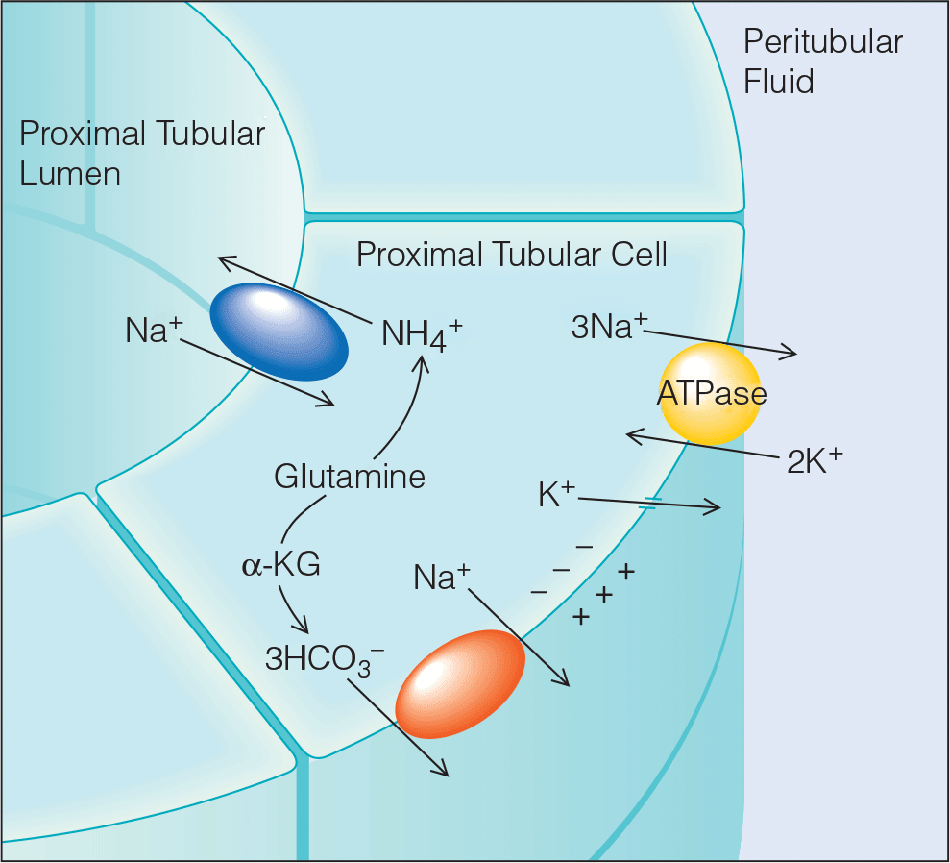
    • Detailed physiology of acid-base homeostasis to provide a clearer understanding of the pathophysiology of acid-base disorders
    • Updated information on the treatment of metabolic acidosis, including the use of tromethamine and bicarbonate

Cochlear Implant

    • The FDA first approved cochlear implantation in 1985, since then the criteria have expanded and now include infants as young as 9-months-old and single-sided deafness.
    • All cochlear implant recipients should receive vaccination against Streptococcus pneumoniae according to guidelines set forth by the Center for Disease Control (CDC).  
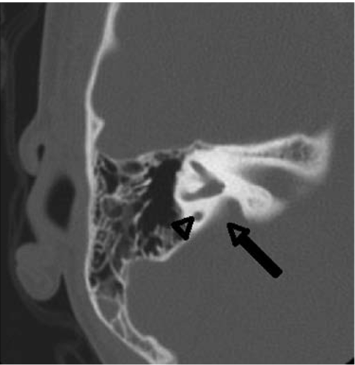
    • The majority of cochlear implant surgeons utilize the round window insertion technique to minimize intracochlear trauma. Cochleostomy location and insertion technique may vary based on electrode design and patient anatomy.

Pediatric Head and Neck Masses

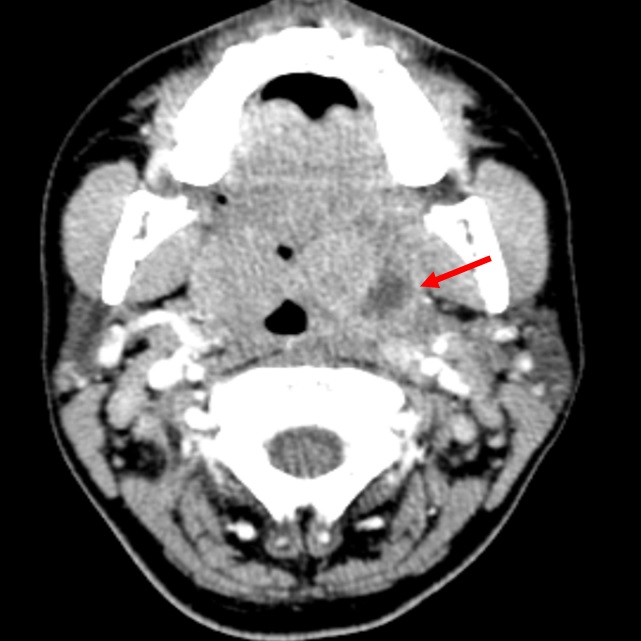
    • Ultrasound is being increasingly used in the diagnosis of peritonsillar abscesses
    • SIST score (septae+ irregular wall + solid components (1 point each)= TGDC) may be used to distinguish thyroglossal duct cysts from dermoid cysts on ultrasonography
    • Quantiferon-TB testing may distinguish non-Tuberculosis mycobacterial infection from tuberculosis mycobacterial infections
    • Sirolimus is used in unresectable or difficult to resect microcystic lymphatic malformations

Oro-Mandibular Reconstruction

    • Virtual surgical planning: computer assisted reconstructive planning or virtual surgical planning (VSP) involves virtually mapping the planned surgical site and defect, producing cutting guides for use when actively harvesting and insetting the osseous free flap and pre-shaping of the reconstruction plates
    • Prefabricated fibulas with dental implants - this novel surgical technique involves the placing the dental implants into the fibula several weeks prior to harvesting the fibula to allow for additional osseointegration
    • Jaw-in-a-day - this technique involves complete reconstruction and dental implantation / rehabilitation in a single surgery, and requires precise virtual surgical planning but can speed up dental rehabilitation by several months
    • Tissue-engineered vascularized bone graft - experimental technique where 3D-CT and computer-aided design techniques were used to create a titanium mesh cage filled with bone blocks and infiltrated with BMP-7, then implanted into the latissimus dorsi muscle and is transferred weeks later as a prefabricated free flap

Antidepressants

    • Antidepressants have clinical utility for many psychiatric conditions, including major depressive disorder and anxiety disorders.
    • Multiple classes of antidepressants are currently FDA-approved, including selective serotonin reuptake inhibitors, serotonin norepinephrine reuptake inhibitors, tricyclic antidepressants, and antidepressants with multiple mechanisms of action.
    • Adverse effects from antidepressants typically occur earlier than symptom resolution and may result in nonadherence.
    • Patients should be counseled on the timeline of onset of therapeutic effects.
    • Factors such as side effect profile, age, and past history of response guide the selection of antidepressants.

Neonatal Resuscitation

    • Use of ECG monitoring to assess the neonate’s heart rate
    • Use food grade plastic bag placed to level of neck to aid in keeping infant warm
    • Initiating resuscitation with oxygen levels of 21-30% is recommended while high oxygen levels of 65-100% are not recommended
    • Two thumb encircling hands technique is recommended over lower 1/3 of sternum compressing at 1/3 of the A-P diameter
    • Routine intubation and suctioning is no longer recommended for all cases of meconium
« Previous | Next »
Updates per yearSpecialty updatesNumber of sections