- Recent changes in Clinical Practice Guidelines consider tonsillectomy in recurrent tonsillitis as a treatment option rather than a recommendation
- Novel techniques and surgical tools in tonsillectomy include microdebriders and bipolar cold ablation devices, but more robust evidence is warranted before a recommendation as a standard of care is issued
- More well-designed clinical trials are required to compare different surgical techniques in tonsillectomy
- Periodic fever syndromes associated with recurrent tonsillitis remain a potential “hot topic” for future research
Latest Updates

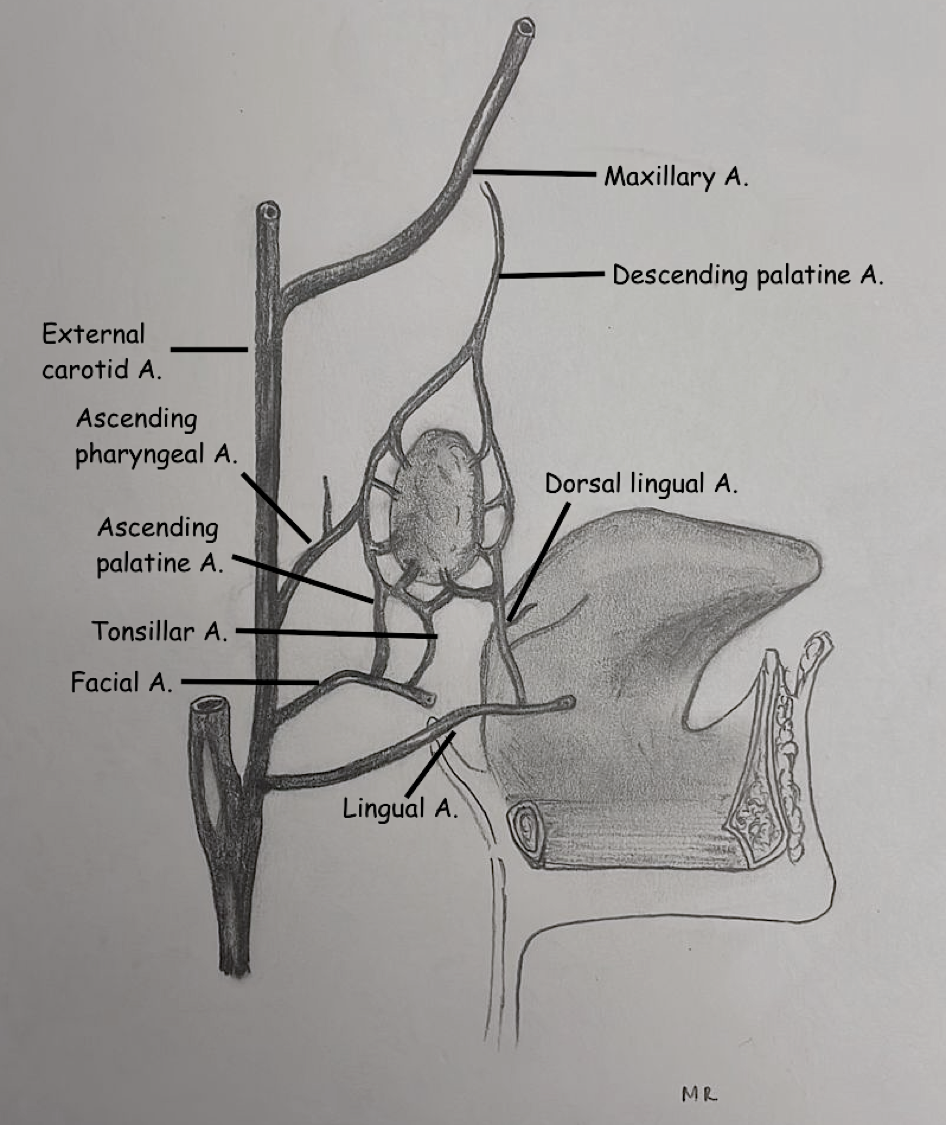
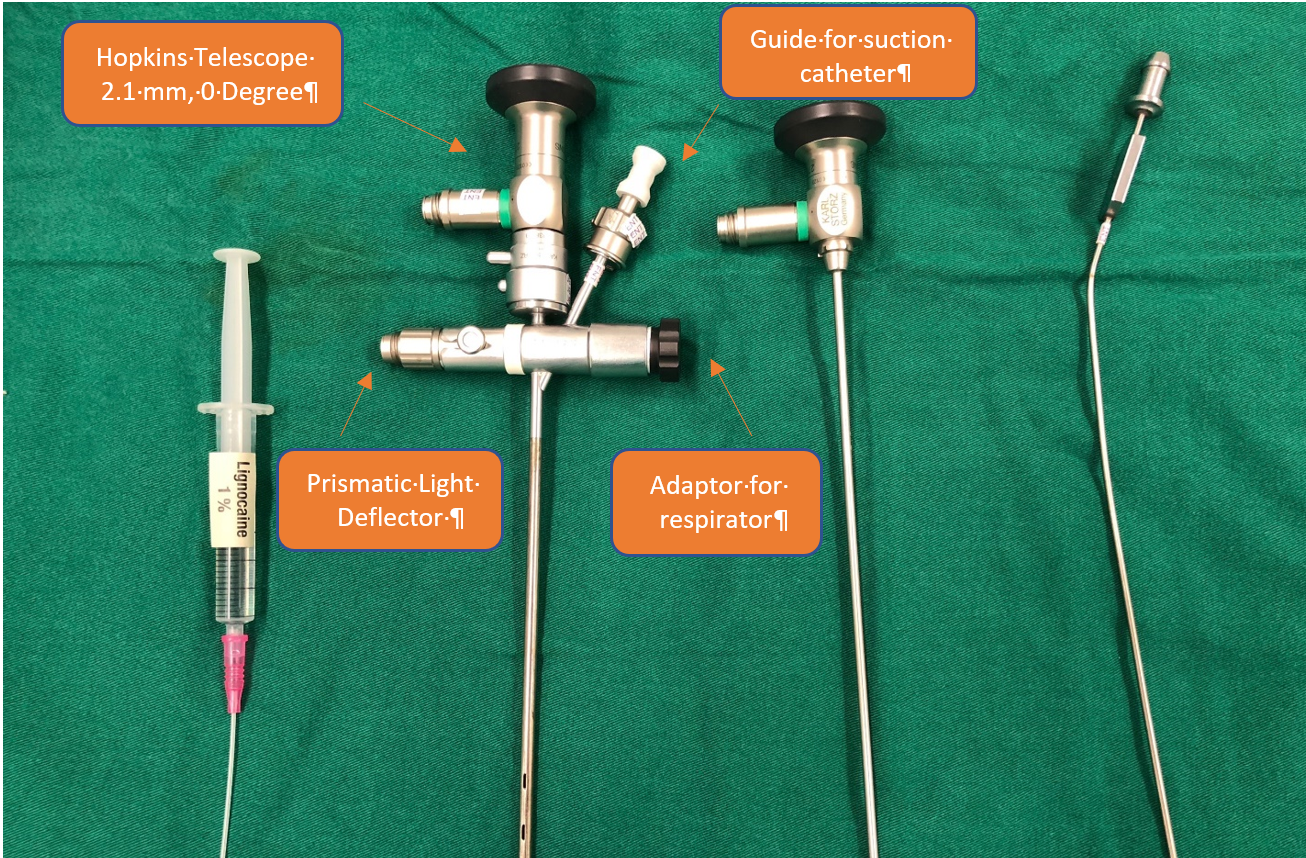
- Technologic advances and development of specialized endoscopic tools (eg airway balloons) has resulted in new era of endoscopic airway surgeries.
- Propranolol use for airway hemangiomas has revolutionized treatment.
- Systemic Bevacizumab (Avastin) has shown promising results in severe Juvenile onset recurrent respiratory papillomatosis(JORRP).
- Haemophilus influenzae B (HIB) vaccine has essentially eliminated HIB-induced epiglottitis.
- Improved airway management of an intubated infant has led to reduced acquired subglottic stenosis.

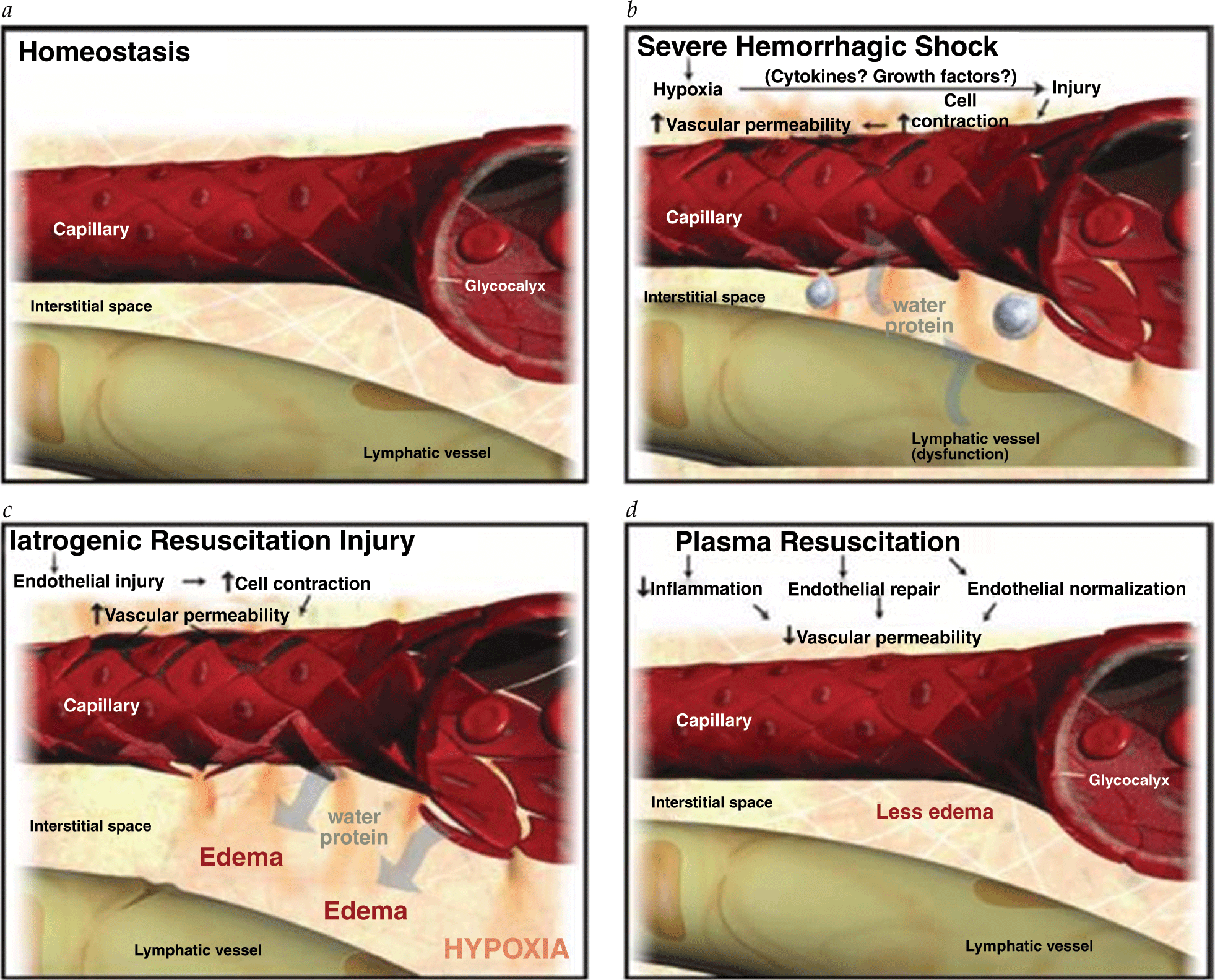
- The Committee on Trauma of the American College of Surgeons (ACS-COT) mandates that high-level trauma centers develop a predefined MTP that can be activated to quickly transfuse rapidly hemorrhaging patients. Early activation of a predefined MTP is associated with more efficient use of blood products (reducing waste) and improved patient outcomes. However, early identification of the bleeding patient remains a challenge.
- Viscoelastic assays such as thromboelastography (TEG) and rotational thromboelastometry (ROTEM) assess the coagulation profile of a whole blood sample. Significantly, different parameters derived from the TEG and ROTEM tracings are related to different components of coagulation, enabling targeted correction of abnormalities.
- Although it seems natural and intuitive to follow the same protocol to treat patients with substantial nontraumatic hemorrhage, there is little scientific evidence to support this practice. Of the few studies investigating optimal blood product ratios of nontraumatic hemorrhage available in the literature, MT was unfortunately defined using the outdated criterion of 10 RBC units or more in 24 hours, which, as we have previously stated, is fraught with survivor bias.

- The Committee on Trauma of the American College of Surgeons (ACS-COT) mandates that high-level trauma centers develop a predefined MTP that can be activated to quickly transfuse rapidly hemorrhaging patients. Early activation of a predefined MTP is associated with more efficient use of blood products (reducing waste) and improved patient outcomes. However, early identification of the bleeding patient remains a challenge.
- Viscoelastic assays such as thromboelastography (TEG) and rotational thromboelastometry (ROTEM) assess the coagulation profile of a whole blood sample. Significantly, different parameters derived from the TEG and ROTEM tracings are related to different components of coagulation, enabling targeted correction of abnormalities.
- Although it seems natural and intuitive to follow the same protocol to treat patients with substantial nontraumatic hemorrhage, there is little scientific evidence to support this practice. Of the few studies investigating optimal blood product ratios of nontraumatic hemorrhage available in the literature, MT was unfortunately defined using the outdated criterion of 10 RBC units or more in 24 hours, which, as we have previously stated, is fraught with survivor bias.

- The Committee on Trauma of the American College of Surgeons (ACS-COT) mandates that high-level trauma centers develop a predefined MTP that can be activated to quickly transfuse rapidly hemorrhaging patients. Early activation of a predefined MTP is associated with more efficient use of blood products (reducing waste) and improved patient outcomes. However, early identification of the bleeding patient remains a challenge.
- Viscoelastic assays such as thromboelastography (TEG) and rotational thromboelastometry (ROTEM) assess the coagulation profile of a whole blood sample. Significantly, different parameters derived from the TEG and ROTEM tracings are related to different components of coagulation, enabling targeted correction of abnormalities.
- Although it seems natural and intuitive to follow the same protocol to treat patients with substantial nontraumatic hemorrhage, there is little scientific evidence to support this practice. Of the few studies investigating optimal blood product ratios of nontraumatic hemorrhage available in the literature, MT was unfortunately defined using the outdated criterion of 10 RBC units or more in 24 hours, which, as we have previously stated, is fraught with survivor bias.
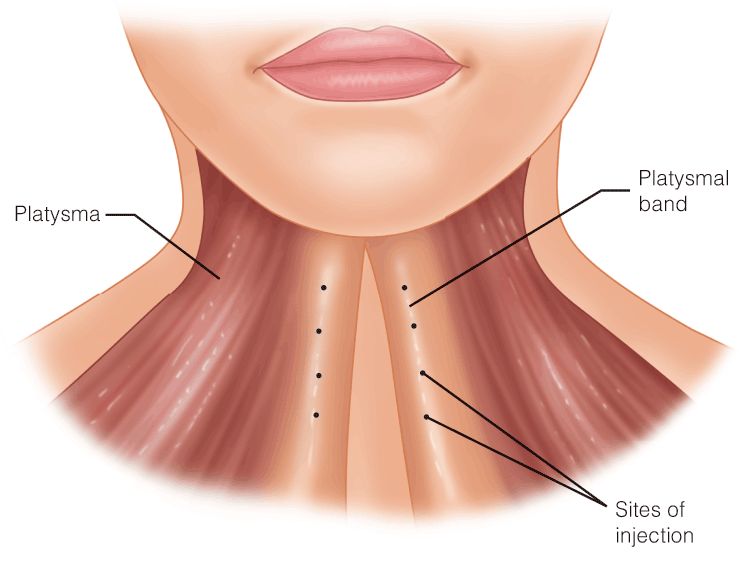
Injectables in Facial Plastic Surgery
- The paradigm for injectables has shifted towards a more pan-facial, integrated approach.
- A combination of chemodenervation and injectable fillers should be used to avoid treatment of stigmata of aging in isolation
- Botulinum toxin has shown potential benefit in wound healing and rosacea
- The use of filler injections in nonsurgical rhinoplasties is an effective approach to temporary augmentation rhinoplasties
- Deoxycholic acid may have other cosmetic applications including facial contouring, lipodystrophy, and reduction of lipomatous tumors
- The development of new synthetic fillers can provide a wider armamentarium in facial rejuvenation.

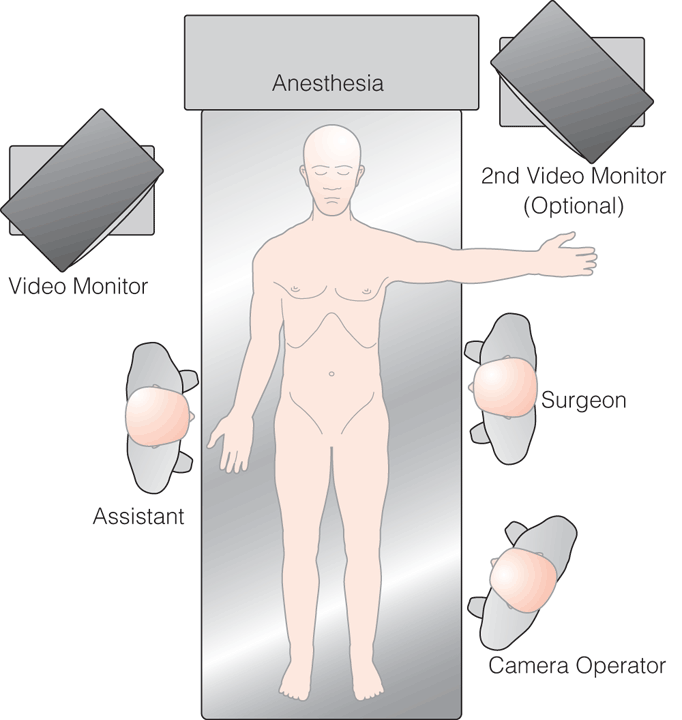
Preparation of the Operating Room
- It is essential that the placement of the patient, the table, heat-generating devices in the operating room (OR), and drapes take into account the possibility that any malfunctioning device might become a source of ignition.... The two most important principles in maintaining a clean environment are, first, to ensure that all the procedures, antiseptics, and cleaning agents are compatible and that they are used correctly, and, second, to monitor the OR and patient outcomes regularly.... There is a small but measurable risk of hypoglycemia with intensive intravenous insulin therapy, but this risk can be mitigated with continuous or near-continuous glucometry or dynamic scale nomograms.








.png)