Latest Updates

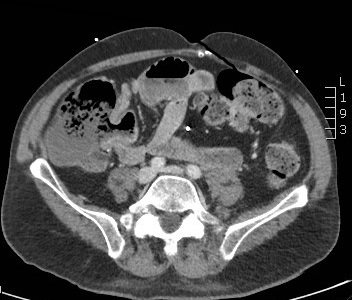
Management of Nonthrombotic May-Thurner Syndrome

    • Early diagnosis of patients with MTS
    • Utilization of intraoperative intravascular ultrasonography in confirming the diagnosis and guiding treatment
    • Role of angioplasty stenting in treating MTS
    • Appropriate intervention for patients presenting with MTS associated with pelvic congestion syndrome

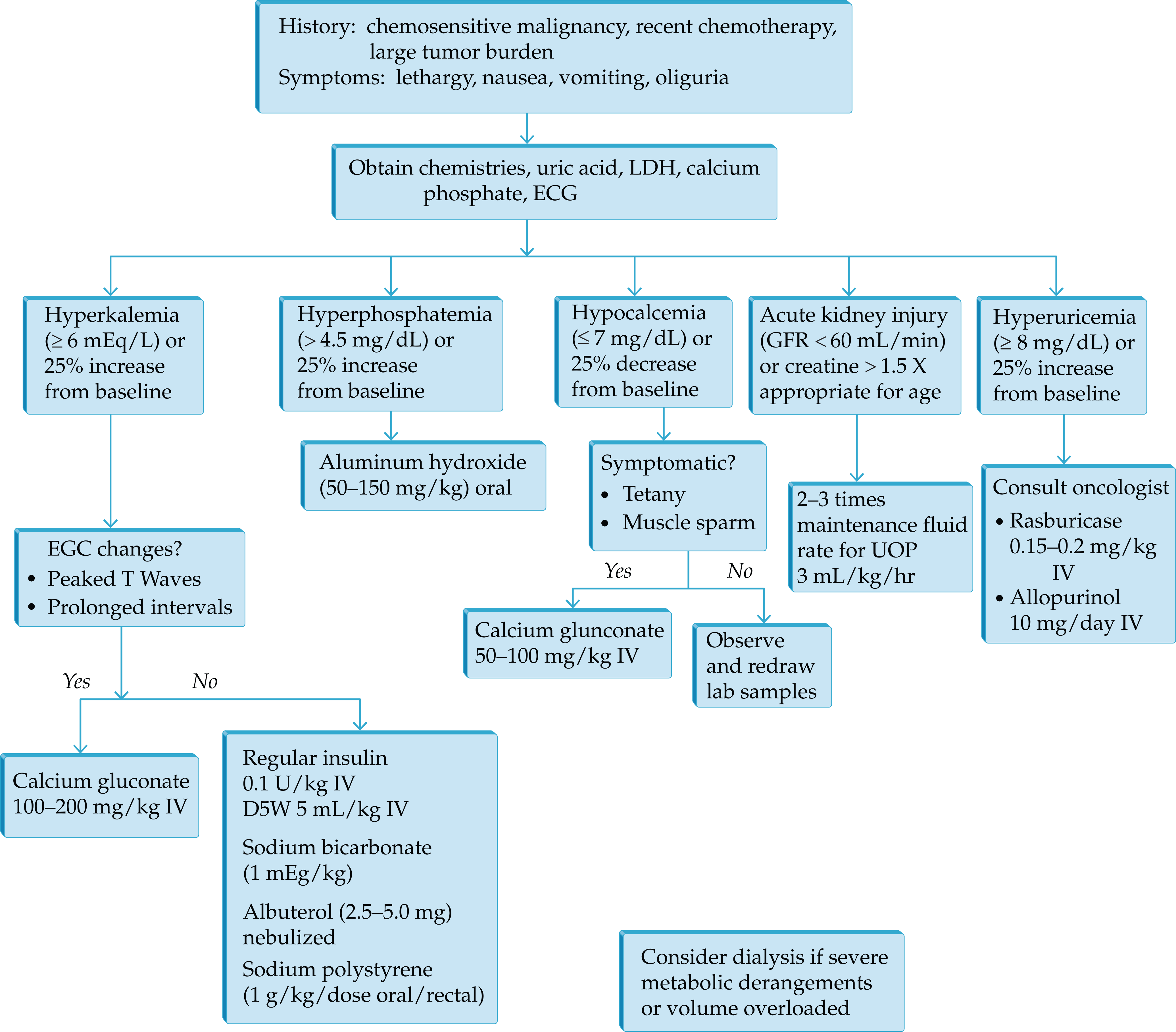
Pediatric Hematologic And Oncologic Emergencies

    • Rasburicase has been shown to be slightly more beneficial than allopurinol for pretreatment and treatment of tumor lysis syndrome.
    • Point-of-care ultrasonography is highly specific and sensitive for diagnosing acute chest syndrome in sickle cell patients.
    • Magnetic resonance imaging can be more sensitive to detect acute hemorrhages and infarcts in sickle cell patients.

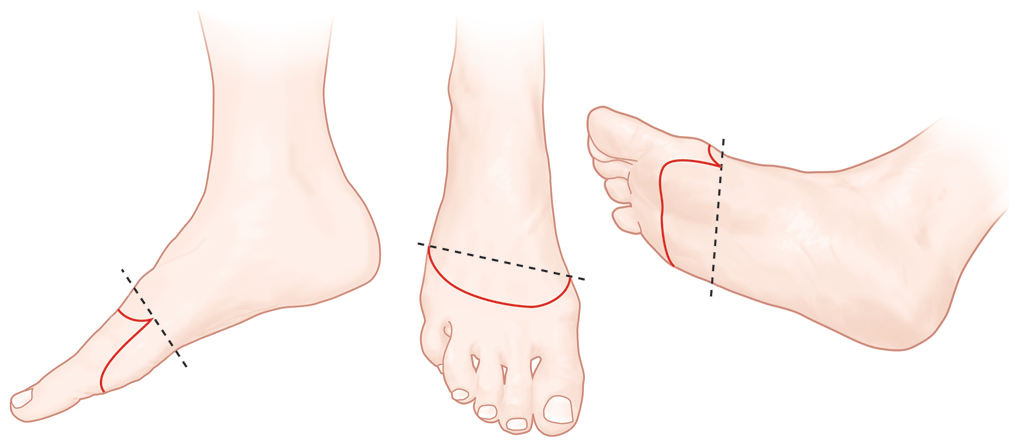
Lower Extremity Amputation for Ischemia

    • Amputations on the foot require normal or near-normal arterial supply to heal.
    • Pulsatile flow into the deep femoral artery is typically adequate to heal a below-the-knee amputation.
    • Prosthetic limb rehabilitation is more likely in case of below-the-knee amputation than above-the-knee amputation.
    • Above-the-knee amputation is preferred in nonfunctional extremities.

Lower Extremity Amputation for Ischemia

    • Amputations on the foot require normal or near-normal arterial supply to heal.
    • Pulsatile flow into the deep femoral artery is typically adequate to heal a below-the-knee amputation.
    • Prosthetic limb rehabilitation is more likely in case of below-the-knee amputation than above-the-knee amputation.
    • Above-the-knee amputation is preferred in nonfunctional extremities.

Lower Extremity Amputation for Ischemia

    • Amputations on the foot require normal or near-normal arterial supply to heal.
    • Pulsatile flow into the deep femoral artery is typically adequate to heal a below-the-knee amputation.
    • Prosthetic limb rehabilitation is more likely in case of below-the-knee amputation than above-the-knee amputation.
    • Above-the-knee amputation is preferred in nonfunctional extremities.

Antipsychotics

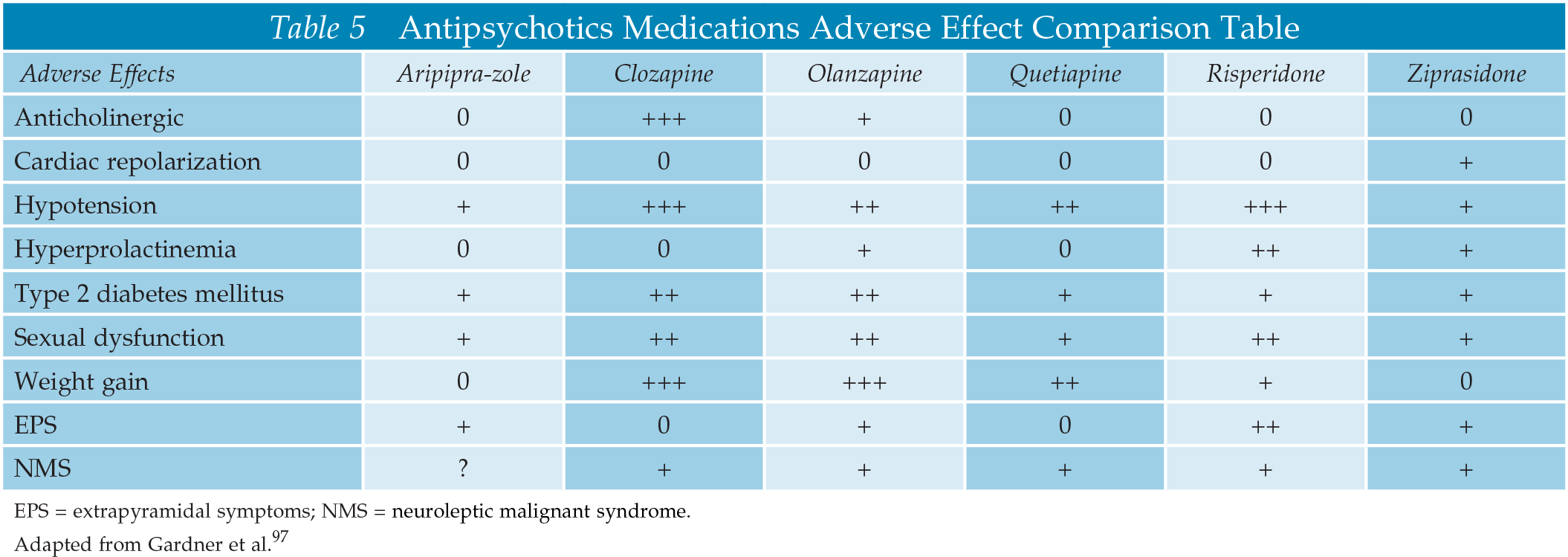
    • The currently FDA-approved antipsychotics can be divided into two classes: typical antipsychotics and atypical antipsychotics.
    • Antipsychotics are used to treat a variety of psychiatric disorders.
    • Typical antipsychotics are effective for the treatment of positive symptoms, whereas atypical antipsychotics also have an effect on the negative symptoms of schizophrenia.
    • The typical antipsychotics are generally associated more with the side effects of the extrapyramidal movement, whereas the atypical antipsychotics have a higher risk for metabolic adverse effects.
    • Decreasing adverse effects and improving adherence are the goals of treatment with antipsychotic medications.

Postherpetic Neuralgia: A Patient’s and a Physician’s Perspective

    • Today, most experts in interventional pain management recommend an evidence-based stepladder approach for the management of all patients with PHN that includes an advancing combination of therapeutic strategies as needed on a graduated basis to control pain and anxiety and prevent complications, including suicide.
    • The most important immunologic risk factor for herpes zoster and PHN is the decline in cell-mediated immunity to VZV that occurs over time as people age, with an onset around 50 years of age. Although possible, second episodes of zoster are uncommon due to the boosting or anamnestic effect of the first episode of zoster.
    • The nonpharmacologic treatment options for PHN include combinations of acupuncture, cryotherapy, heat therapy, and transcutaneous and/or percutaneous electrical nerve stimulation. The multimodal nonpharmacologic treatment options for PHN are stratified and compared by their evidence levels.

Disorders of Water and Sodium Balance: Hypernatremia

    • Hydrochlorothiazide is not beneficial in treating ICU-acquired hypernatremia
    • Hypernatremia after hypertonic saline irrigation is rare, but might cause severe complications
    • Hypercalcemia induces targeted autophagic degradation of aquaporin-2 at the onset of nephrogenic diabetes insipidus
    • Hypernatremia identified as new predictor of worse clinical outcomes after percutaneous endoscopic gastrostomy placement
« Previous | Next »
Updates per yearSpecialty updatesNumber of sections