Latest Updates

Nonalcoholic Fatty Liver Disease

    • Imaging modalities in the assessment of NAFLD
    • Controlled attenuation parameter as a point of care measure for hepatic steatosis
    • Proton density fat fraction as MRI based measure for hepatic steatosis
    • Liver stiffness measurement on elastography as a correlate of hepatic fibrosis or cirrhosis
    • Active clinical trials in phase 2b and 3, yet no FDA approved therapy
    • Intense lifestyle changes with 5-10% weight loss can improve fibrosis and steatosis

Catatonia

    • Catatonia was considered a subtype of schizophrenia in DSM-I through DSM-III-R.
    • Catatonia is listed as a specifier in DSM-5 and ICD-10.
    • Most persons with catatonia have a mood disorder, most commonly bipolar disorder.
    • There is no known cause, but the condition is probably mediated by GABAergic neurotransmission.
    • Catatonia is effectively treated with benzodiazepines and/or electroconvulsive therapy.

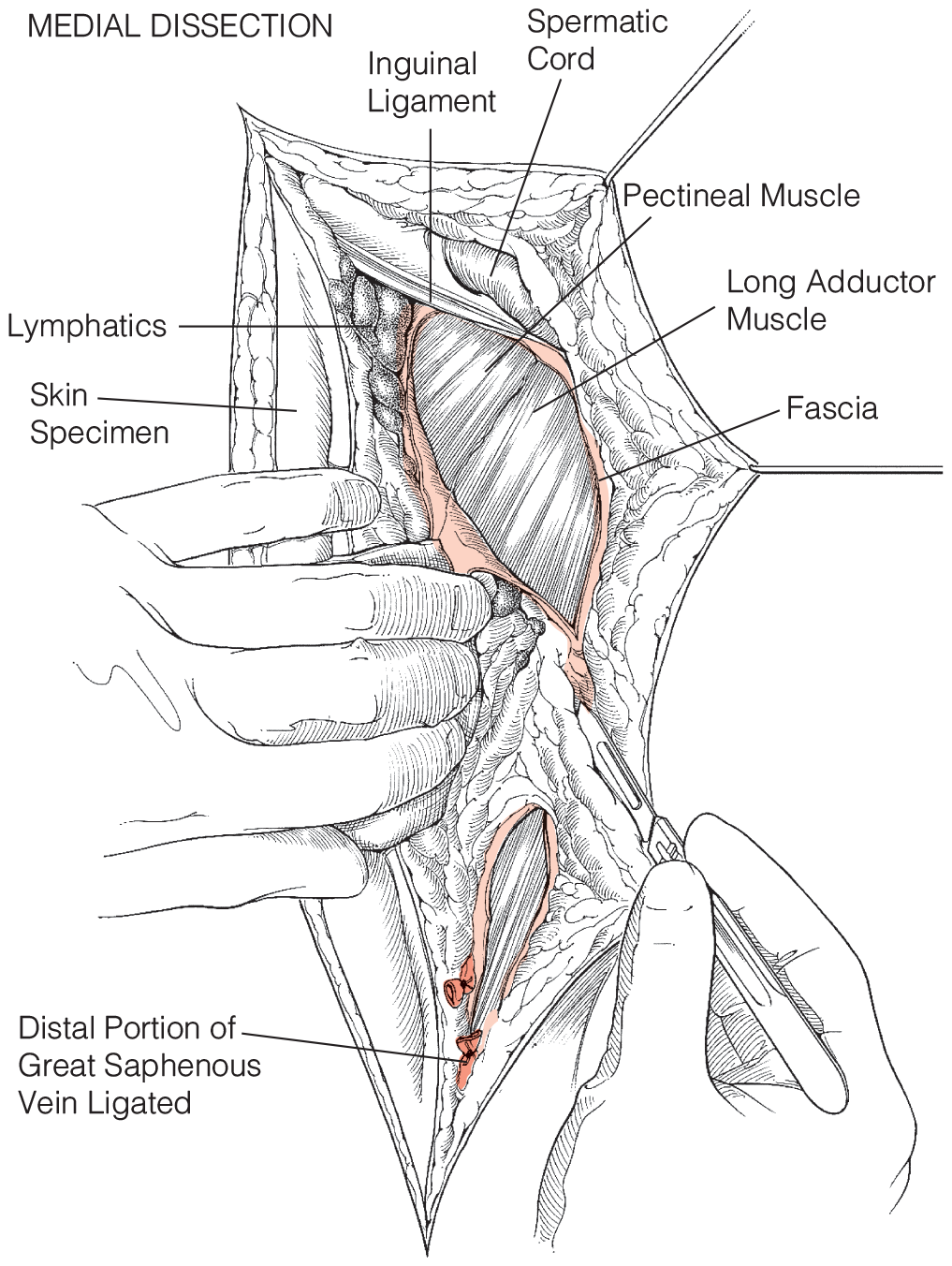
Surgical Management of Melanoma and Other Skin Cancers

    • An interesting advance in the treatment of advanced basal cell carcinoma is the use of inhibitors of the sonic hedgehog pathway. The vast majority of basal cell carcinomas harbor genetic mutations in the hedgehog signaling pathway, which results in constitutive activation and basal cell proliferation.
    • SLNB is generally not recommended unless the lesion is between 0.75 and 1.0 mm, high risk based on histologic features (e.g., ulcerated or with > 1 mitoses/mm2), or inadequately staged (e.g., positive deep margin).
    • An important variable in the prognosis of melanoma is the thickness of the primary tumor as assessed using the Breslow system. Tumor thickness in the Breslow system is measured from the epidermal surface to the deepest point of the tumor with a calibrated ocular micrometer.

Scientific Foundations: Infection Control in Surgical Practice

    • For patients undergoing surgical procedures requiring the implantation of foreign bodies, colonization with MRSA should be assessed. Hospitalized hemodialysis patients and their health care workers are frequently colonized.
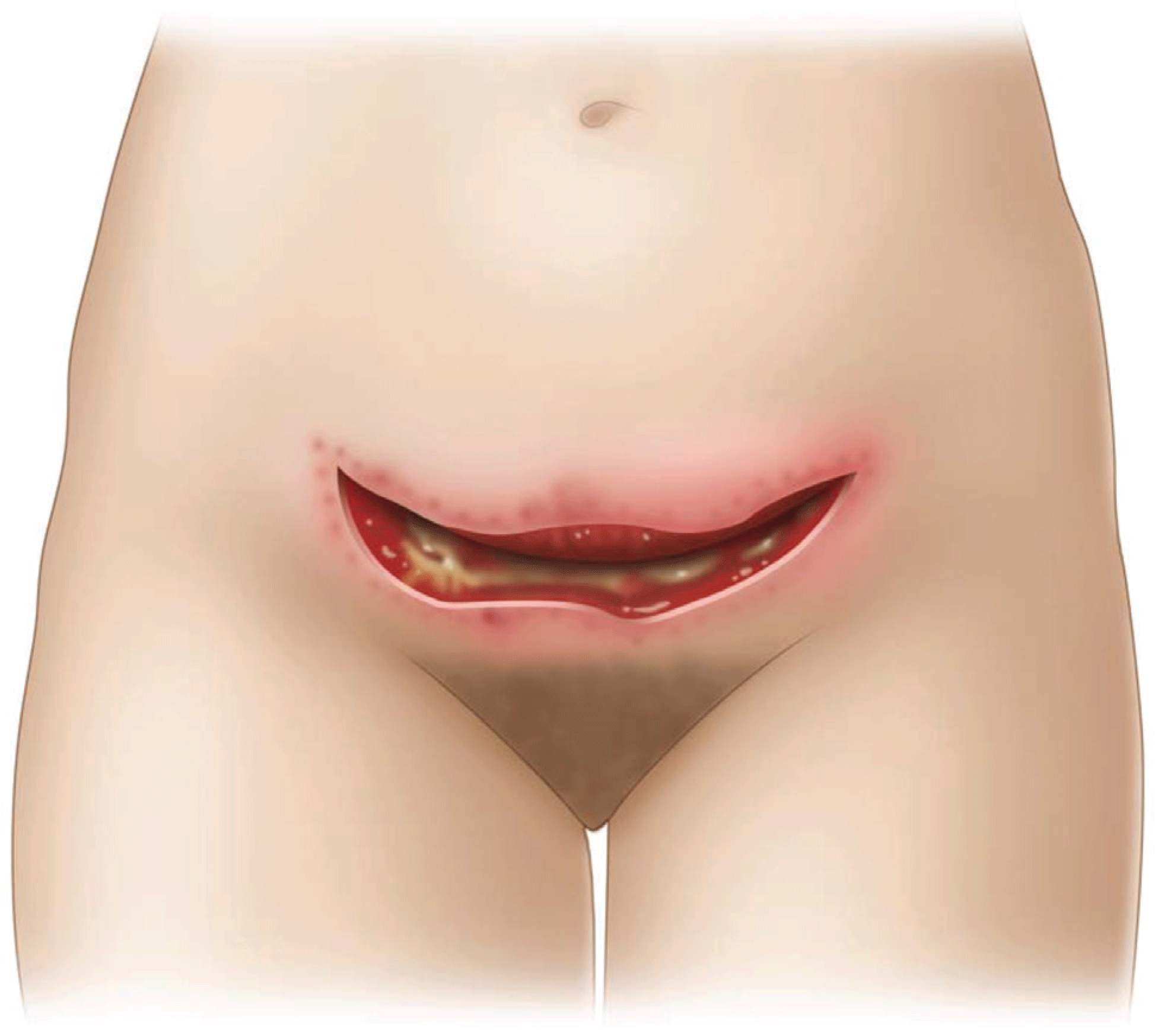
    • Updated CDC diagnostic criteria for surgical site infection, catheter-associated urinary tract infection, central line–associated bloodstream infection, and ventilator-associated pneumonia
    • Although no single surveillance system captures all HAIs that occur within US acute care hospitals, recent Centers for Disease Control and Prevention (CDC) estimates suggest that 648,000 patients experienced at least one HAI during their hospital stay in 2011. This represents 4.0% of the hospitalized population. Among surgical patients, the rate of reported HAIs is even higher at 10.6%

Scientific Foundations: Infection Control in Surgical Practice

    • For patients undergoing surgical procedures requiring the implantation of foreign bodies, colonization with MRSA should be assessed. Hospitalized hemodialysis patients and their health care workers are frequently colonized.
    • Updated CDC diagnostic criteria for surgical site infection, catheter-associated urinary tract infection, central line–associated bloodstream infection, and ventilator-associated pneumonia
    • Although no single surveillance system captures all HAIs that occur within US acute care hospitals, recent Centers for Disease Control and Prevention (CDC) estimates suggest that 648,000 patients experienced at least one HAI during their hospital stay in 2011. This represents 4.0% of the hospitalized population. Among surgical patients, the rate of reported HAIs is even higher at 10.6%

Sepsis and Infections: Infection Control in Surgical Practice 

    • For patients undergoing surgical procedures requiring the implantation of foreign bodies, colonization with MRSA should be assessed. Hospitalized hemodialysis patients and their health care workers are frequently colonized.
    • Updated CDC diagnostic criteria for surgical site infection, catheter-associated urinary tract infection, central line–associated bloodstream infection, and ventilator-associated pneumonia
    • Although no single surveillance system captures all HAIs that occur within US acute care hospitals, recent Centers for Disease Control and Prevention (CDC) estimates suggest that 648,000 patients experienced at least one HAI during their hospital stay in 2011. This represents 4.0% of the hospitalized population. Among surgical patients, the rate of reported HAIs is even higher at 10.6%

Scientific Foundations: Infection Control in Surgical Practice

    • For patients undergoing surgical procedures requiring the implantation of foreign bodies, colonization with MRSA should be assessed. Hospitalized hemodialysis patients and their health care workers are frequently colonized.
    • Updated CDC diagnostic criteria for surgical site infection, catheter-associated urinary tract infection, central line–associated bloodstream infection, and ventilator-associated pneumonia
    • Although no single surveillance system captures all HAIs that occur within US acute care hospitals, recent Centers for Disease Control and Prevention (CDC) estimates suggest that 648,000 patients experienced at least one HAI during their hospital stay in 2011. This represents 4.0% of the hospitalized population. Among surgical patients, the rate of reported HAIs is even higher at 10.6%

Contraception

    • Clinicians may often be able to initiate all types of contraception safely during a patient’s initial office visit, even outside the first week of menses.
    • The CDC issues guidelines to assist with choosing a suitable contraceptive method in the setting of coexisting medical problems.
    • Long-acting reversible contraception such as intrauterine devices and the subdermal contraceptive implant are highly effective and require little action on the user’s part. Clinicians should offer them as first-line options whenever possible.
« Previous | Next »
Updates per yearSpecialty updatesNumber of sections