Latest Updates

Nephrology: Respiratory Acidosis and Alkalosis

    • Enhanced understanding of lung-protective ventilation strategies
    • Elevated PaCO2 vs. reduced PaO2 in respiratory acidosis
    • Enhanced understanding of the ventilatory load
    • Understanding of the renal response to hypercapnia

Respiratory Acidosis and Alkalosis

    • Enhanced understanding of lung-protective ventilation strategies
    • Elevated PaCO2 vs. reduced PaO2 in respiratory acidosis
    • Enhanced understanding of the ventilatory load
    • Understanding of the renal response to hypercapnia

Competency-Based Surgical Care: Bedside Procedures for General Surgeons: Part 2

    • Prevention of tube thoracostomy complications during insertion relies on three maneuvers: avoiding the neurovascular bundle by entering the pleura above the rib; performing a 360° finger sweep before placing the tube into the pleural space to ensure that there are no adhesions to the lung and to confirm the position of the thoracostomy above the diaphragm; and using a controlled pleural entry.
    • Pigtail catheter thoracostomy is equivalent to larger chest tube thoracostomy for treating uncomplicated pneumothorax. Insertion-site pain is much reduced with pigtail catheters when compared with larger chest tubes.
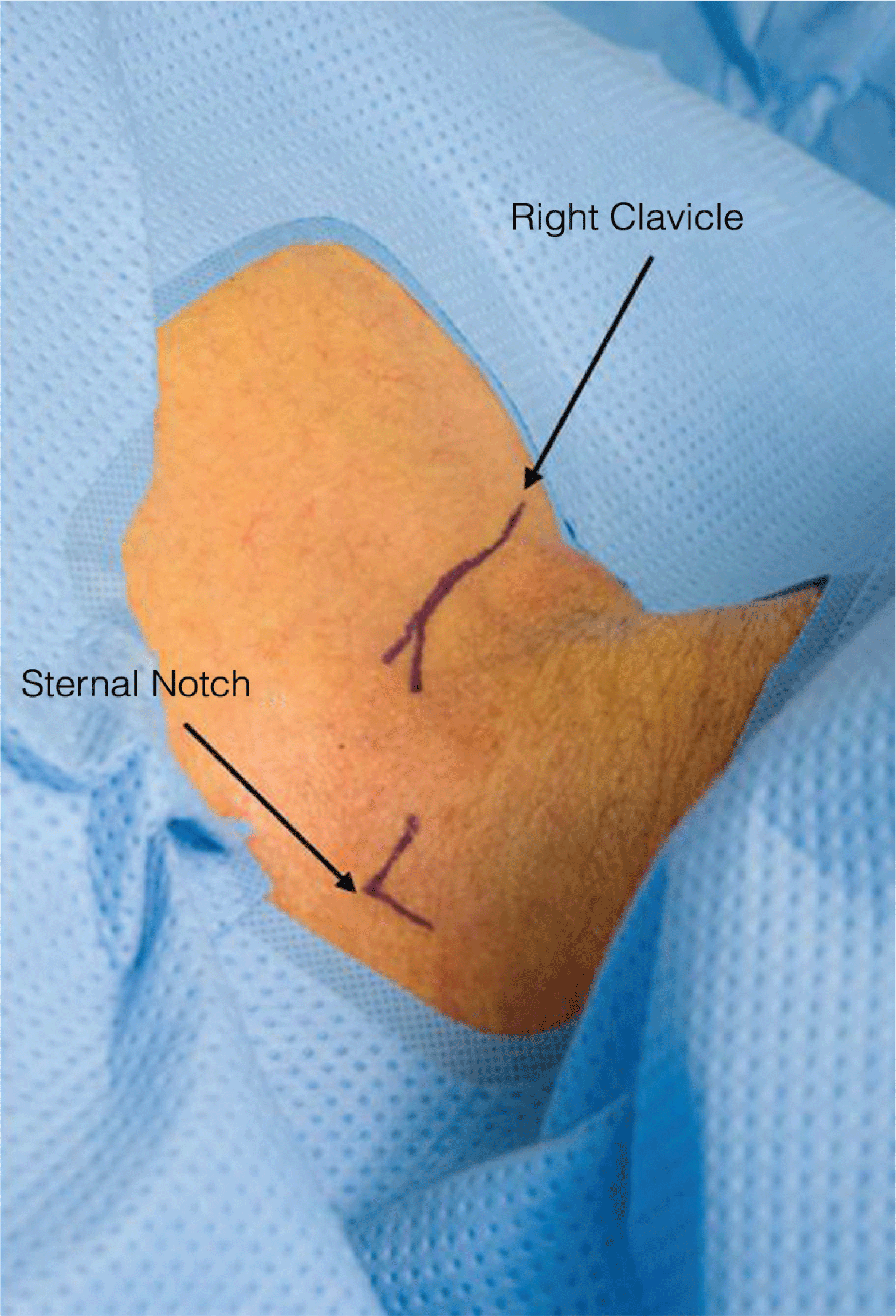
    • Pericardiocentesis for trauma has a very limited role in nontrauma centers where definitive surgical management of cardiac tamponade is not immediately available and transport time to a facility with a higher level of care would support use of temporary pericardial decompression in this manner.
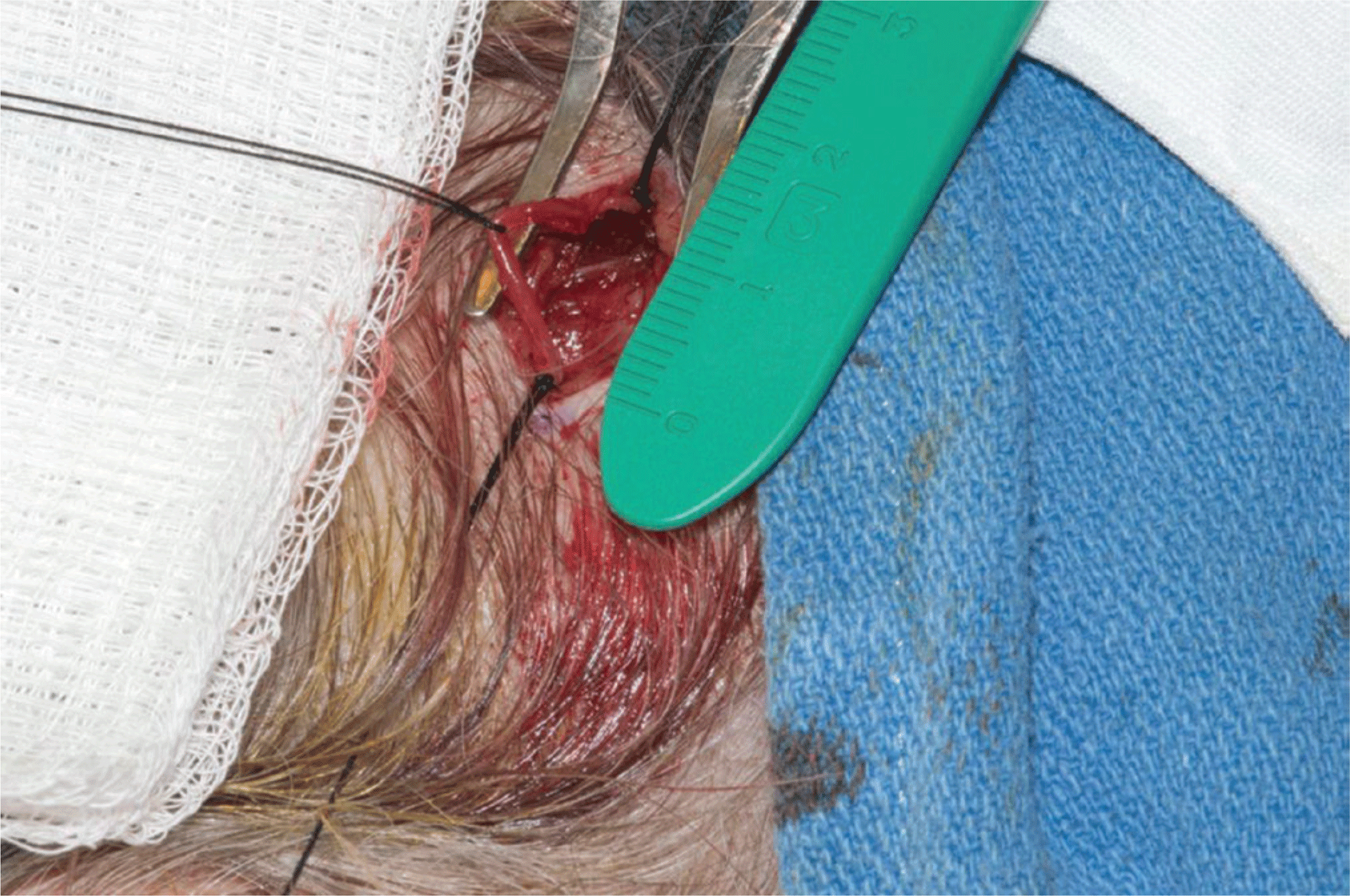
    • Temporal artery biopsy remains important to confirm the diagnosis of giant cell arteritis because the sensitivity and specificity of diagnosis based on clinical criteria alone are only 68.5% and 58%, respectively.
    • Skeletal muscle biopsy specimens should be immediately submitted to Pathology fresh and wrapped in dry gauze, and the precise muscle biopsied must be recorded as there is variability in the type of collagen present in different muscle groups that may affect interpretation.

Women's Health: Cervical Cancer Prevention and Screening

    • Evidence that the 9-valent HPV vaccine covers approximately 20% more high-risk infections
    • Enhanced understanding of the benefits of cervical cancer screening
    • Interim evidence suggests primary HPV testing is an option for women starting at age 25 years

Cardiovascular: Interpretation of Noninvasive and Invasive Information

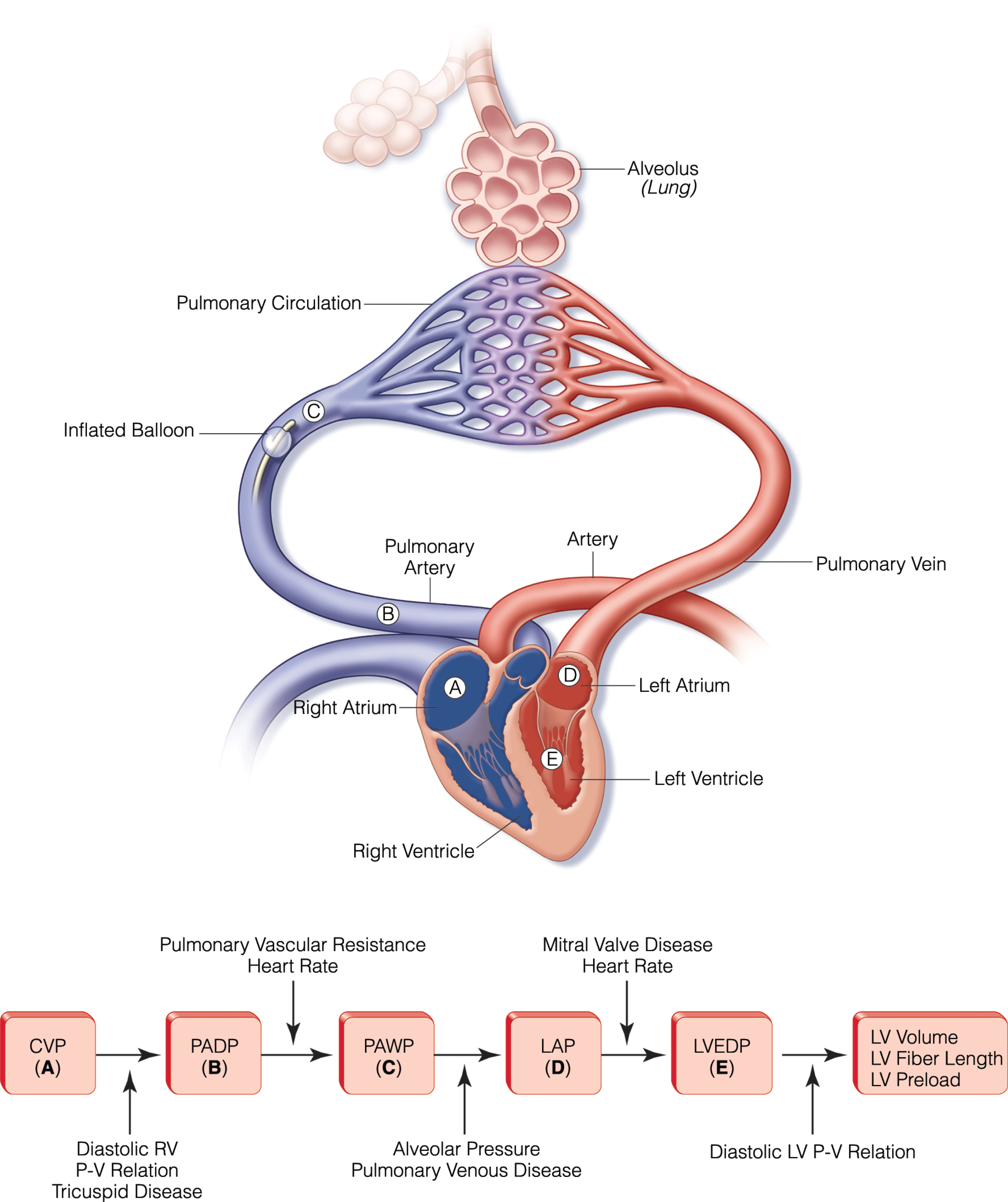
    • Arterial line as an essential tool in determination of volume status and response to fluid therapy
    • Transesophageal Doppler technology for continuous estimation of multiple physiologic parameters to facilitate early recognition of hypovolemia and guiding intravascular volume replacement
    • The efficacy of pulse contour analysis devices based on available data
    • Thoracic electrical bioimpedance and bioreactance devices as well as partial rebreathing technique in assessment of patients in shock 

Ultrasound: Critical Care Ultrasonography

    • Focused bedside echocardiographic examination, including assessment of ventricular function, volume status, and various cardiac pathologies
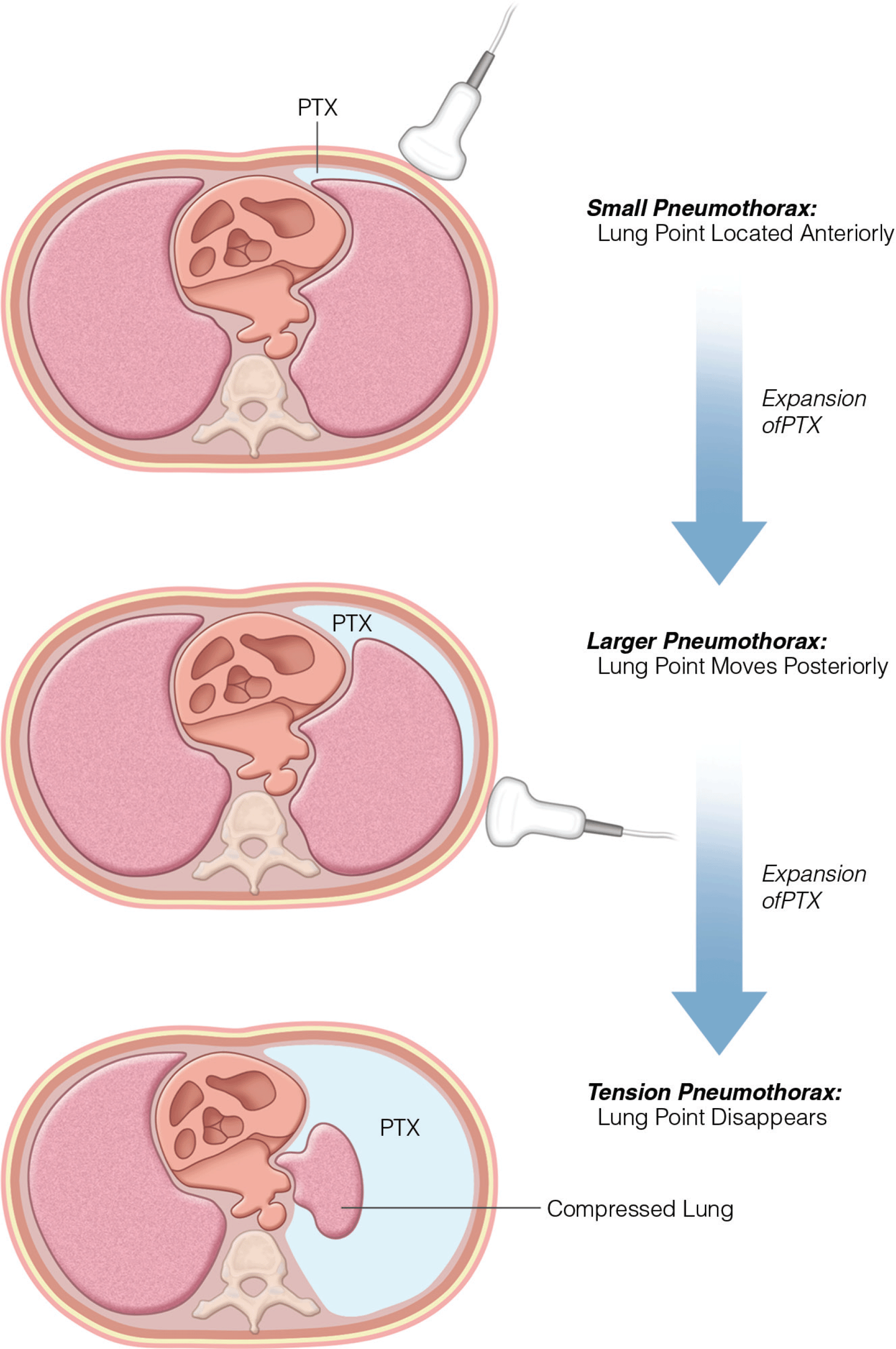
    • Pulmonary ultrasonography, including pleural effusions and thoracentesis, assessment of lung parenchyma, and pneumothorax 
    • Abdominal ultrasonography, including focused assessment with sonography in trauma examination, paracentesis, and pneumoperitoneum
    • Ultrasound-guided arterial and venous line placement 

Hepatic Disorders 

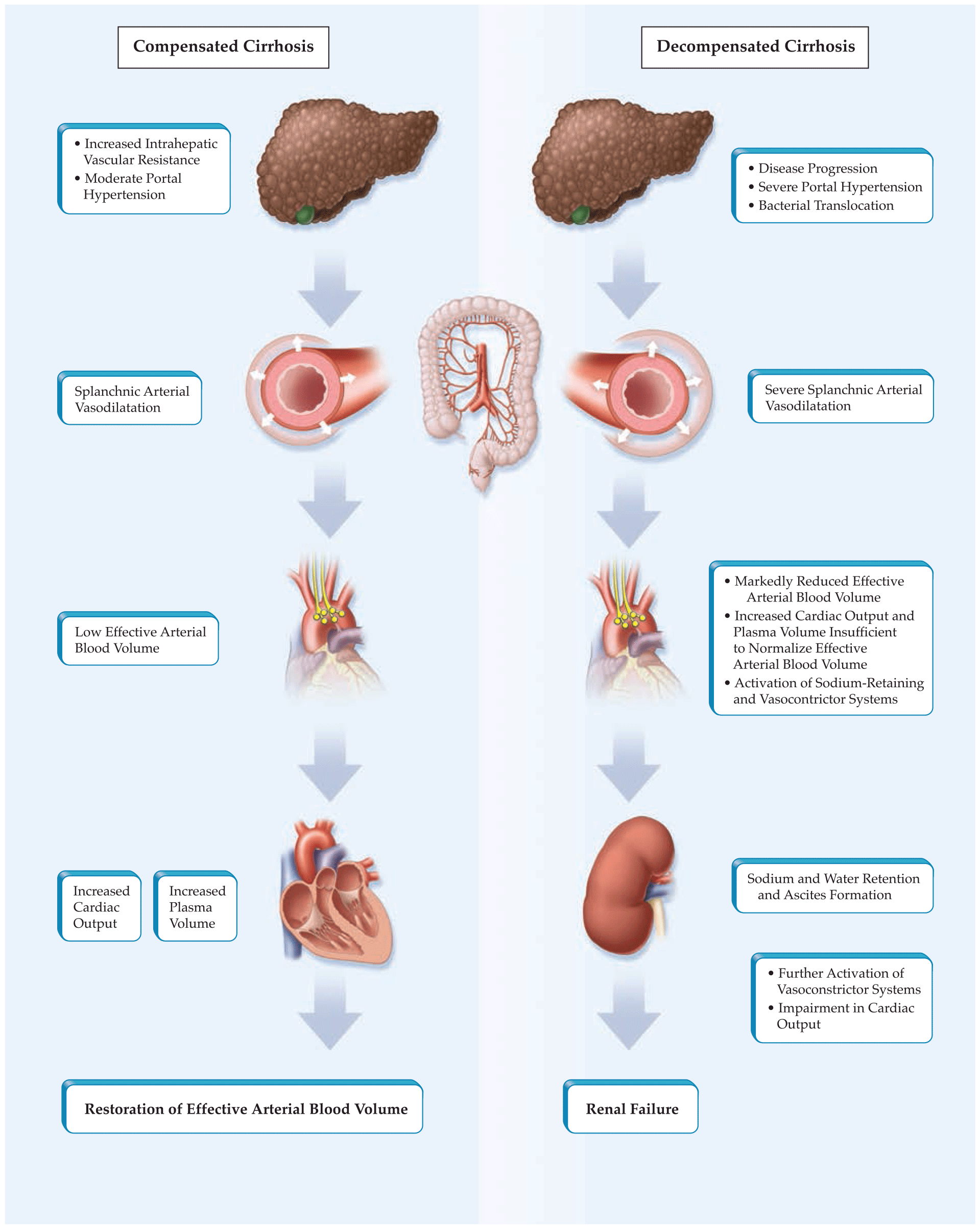
    • Advanced liver disease results in a decrease in cardiac output secondary to a decrease in systemic vascular resistance, leading to hypervolemic hyponatremia, renal failure, edema, and ascites.
    • A diagnostic paracentesis to rule out spontaneous bacterial peritonitis should be performed in all emergency department patients who present with ascites and fever or abdominal pain.
    • Since serum ammonia levels and the severity of hepatic encephalopathy (HE) do not correlate well, patients with known or suspected HE should be treated for hyperammonia regardless of the measured level.
    • Hepatitis B virus immune globulin effectively prevents transmission if administered within 72 hours of exposure.
    • Pyrogenic liver abscesses are best treated with a combination of antibiotics and percutaneous drainage. 

Surgical Oncology: Anal Neoplasms, Presacral Tumors, and Rare Malignancies

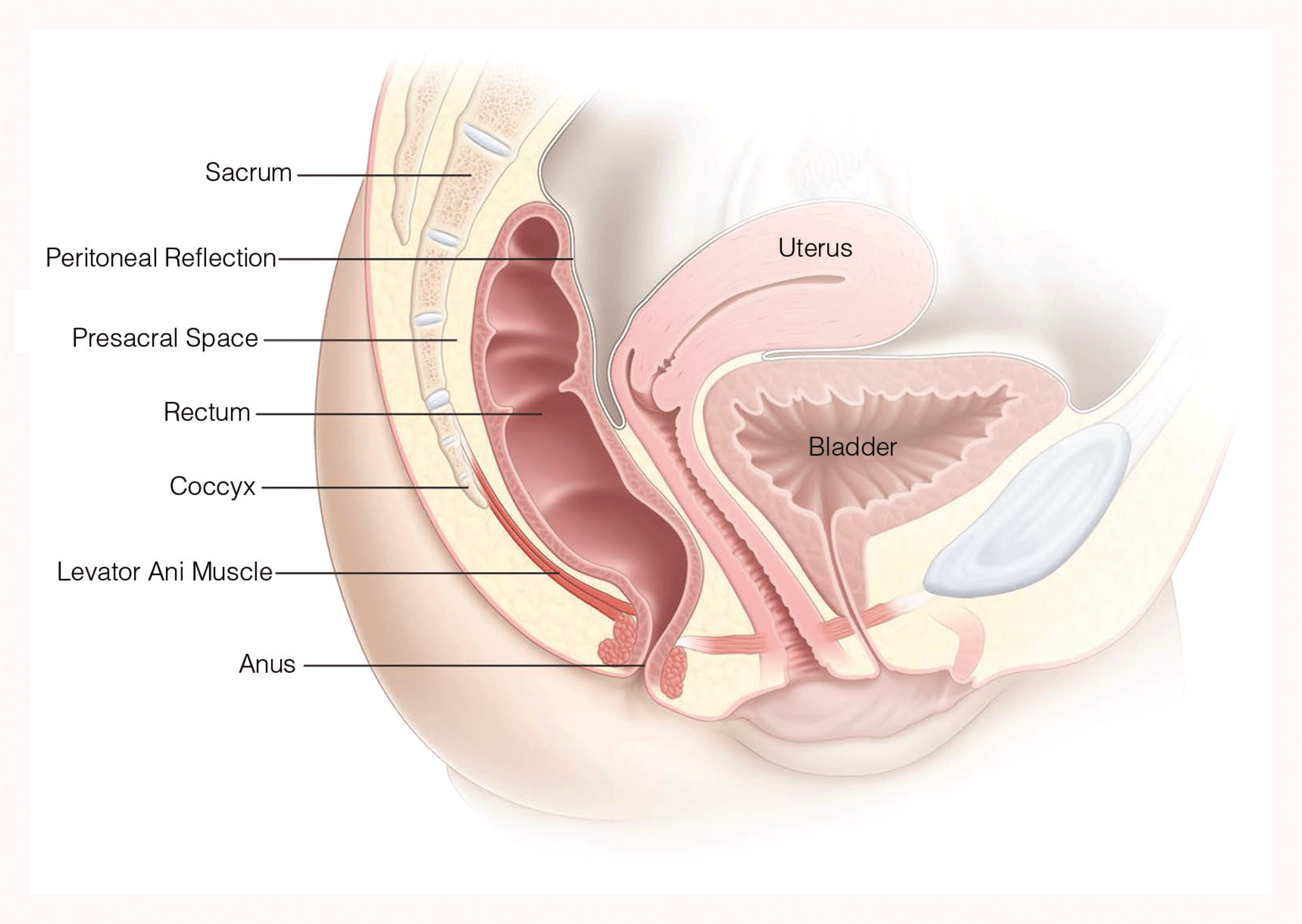
    • Chemoradiation therapy for epidermoid carcinoma of the anal canal
    • CT or MRI for preoperative evaluation of presacral tumors
    • Distal presacral tumors (below S3) can be removed with a perineal approach, whereas proximal lesions are managed with an abdominal approach
« Previous | Next »
Updates per yearSpecialty updatesNumber of sections