Latest Updates

Nephrology: Management of Cardiovascular Disease in Dialysis Patients

    • Left ventricular hypertrophy is associated with cardiovascular outcomes, including sudden cardiac death. Efforts to mitigate left ventricular hypertrophy (blood pressure control, aggressive fluid management, and frequent hemodialysis) may improve outcomes.
    • Low potassium dialysate (< 2 mEq/L), low calcium dialysate (< 2.5 mEq/L), and high ultrafiltration rates (> 13 mL/kg/hr) have been associated with worse cardiovascular outcomes in hemodialysis patients.
    • End-stage renal disease (ESRD) patients with atrial fibrillation are at increased risk for both stroke and bleeding events. Routine anticoagulation is not recommended for stroke prophylaxis.
    • In two small randomized trials, use of spironolactone reduced cardiovascular events and left ventricular mass index compared with placebo in patients with ESRD.

Rheumatology: Osteoarthritis 

    • 2016 Update on glucosamine for the management of osteoarthritis
    • 2014 NICE guidelines for osteoarthritis care and management
    • 2014 OARSI guidelines for non-surgical management knee osteoarthritis
    • 2013 AAOS guidelines for knee osteoarthritis
    • 2012 ACR recommendations for therapies in hand/hip/knee osteoarthritis

Nephrology: Acute Kidney Injury in the Cancer Patient

    • A systematic approach to acute kidney injury in the cancer patient
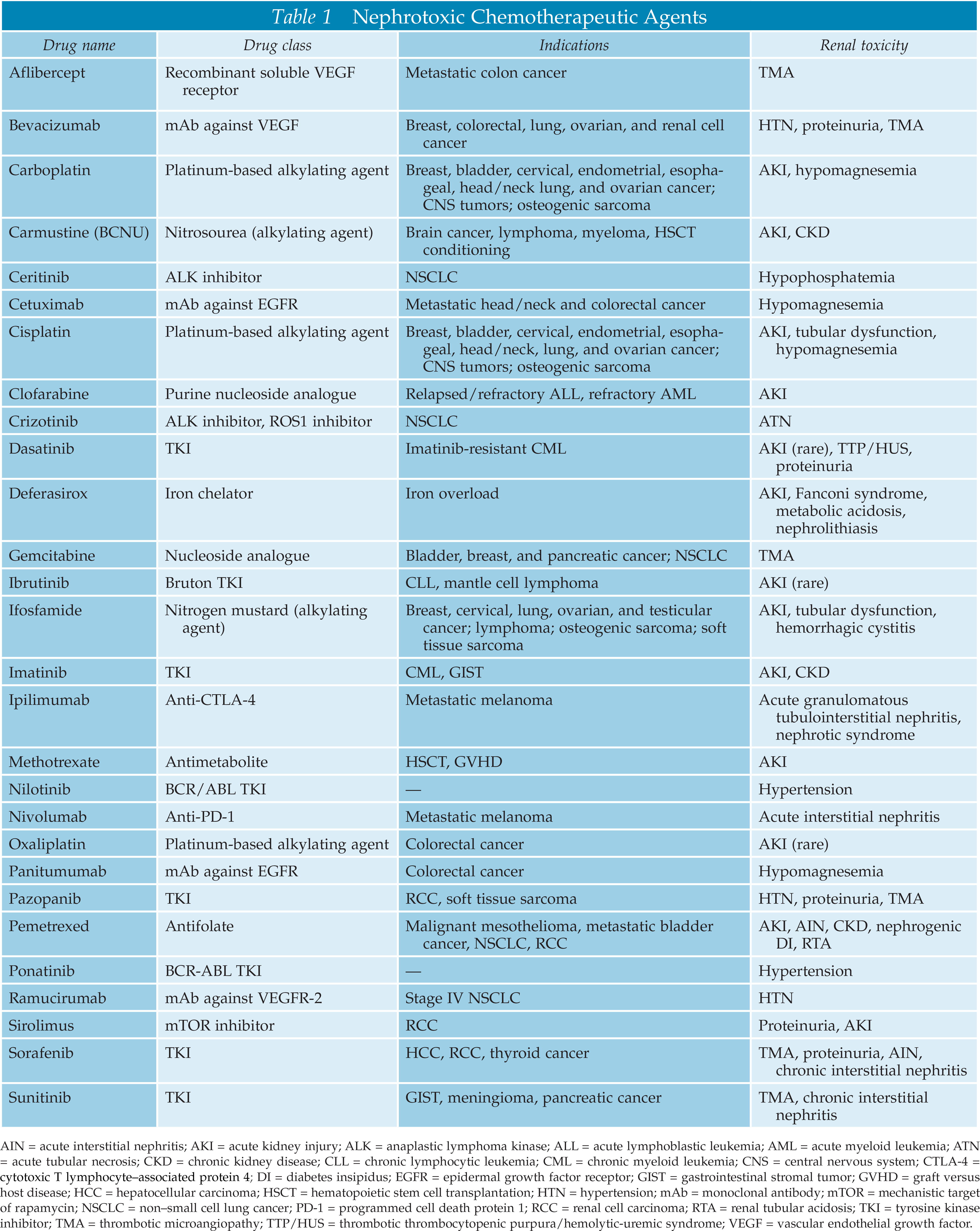
    • An updated reference table of nephrotoxic chemotherapeutic agents that includes newer drugs, such as tyrosine kinase inhibitors and immune checkpoint inhibitors
    • Discussion of a recently introduced classification system for thrombotic microangiopathy in the cancer patient
    • Discussion of the evolving role of the nephrologist in the care of patients diagnosed with renal cell carcinoma

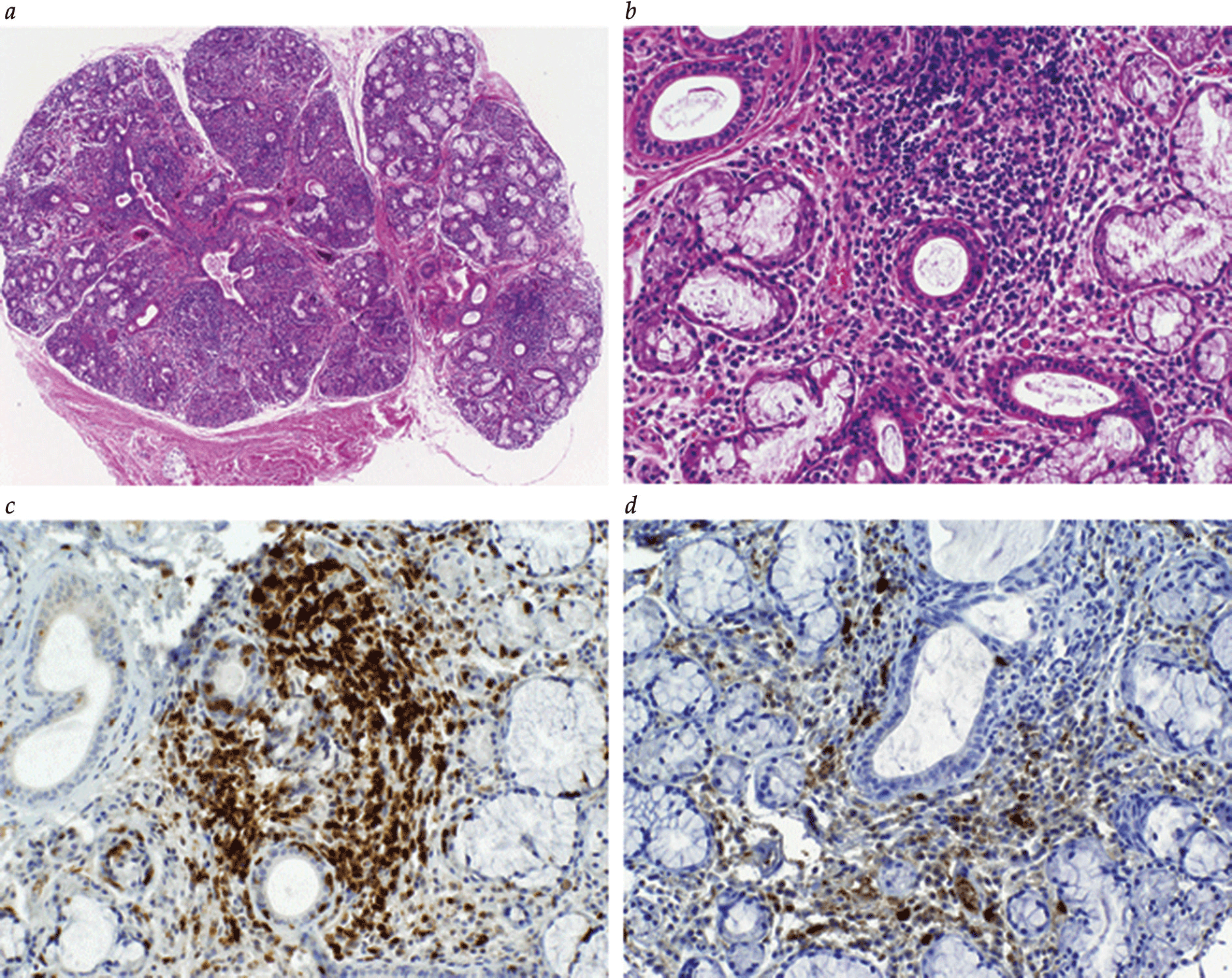
Rheumatology: Primary Sjögren Syndrome: Etiology and Pathogenesis 

    • Genetic studies highlighting several new non–major histocompatibility complex loci associated with primary Sjögren syndrome
    • New insights into lymphoma pathogenesis, with the discovery of genetic variants in some of the tumors that activate the NFkB pathway
    • Further experiments in animal models of Sjögren syndrome–like disease illuminating pathways of immune dysregulation paralleling human disease
    • Translation of new knowledge about disease mechanisms into promising therapies

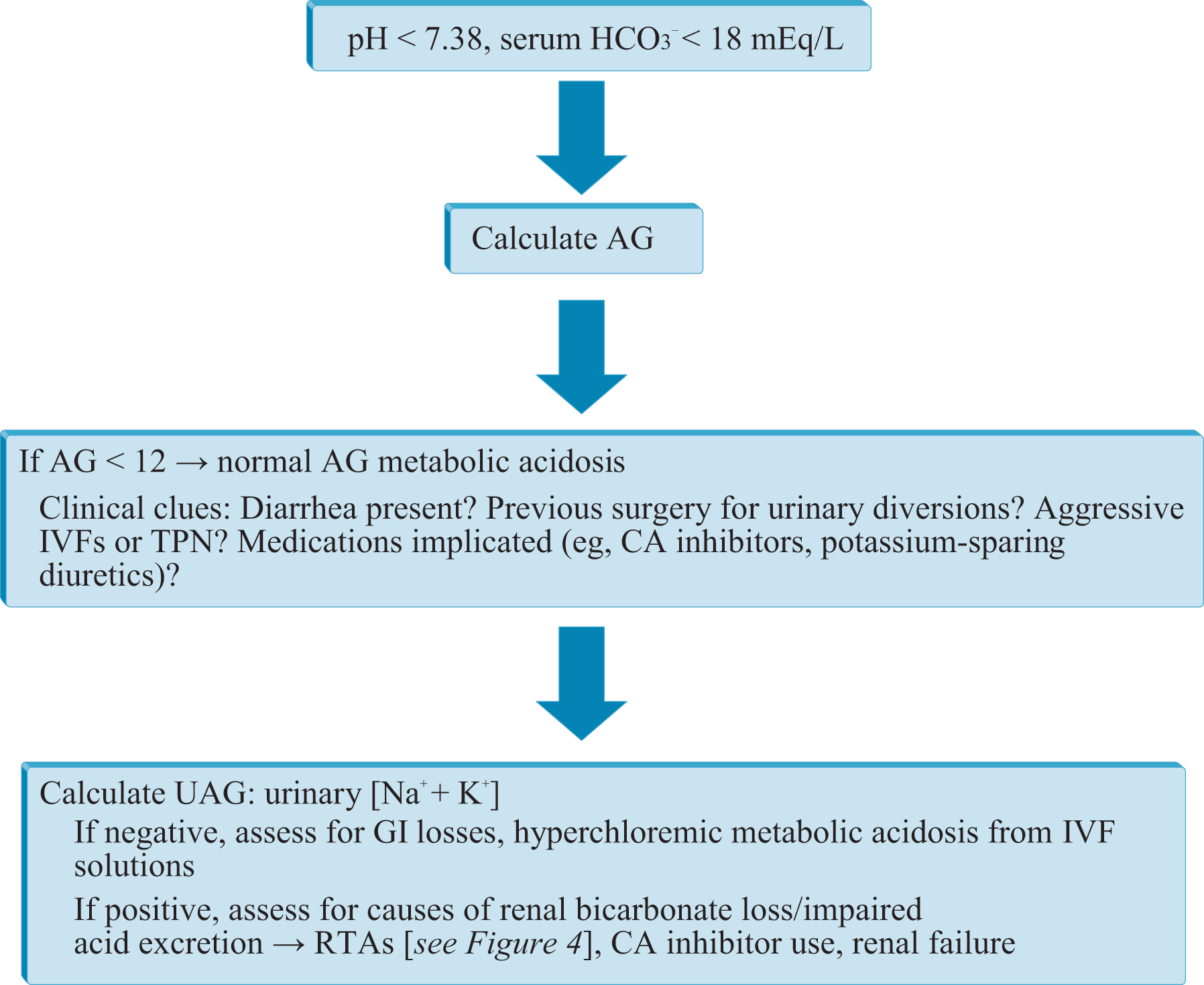
Nephrology: Metabolic Acidosis 

    • Research advances in the field of metabolic acidosis have focused on the pathologic effects of prolonged metabolic acidosis. There is increasing evidence that an acidic milieu is associated with adverse clinical outcomes, including increased risk of renal disease progression, fracture risk, and, in some studies, all-cause mortality. 
    • There has been a shift in conceptualizing acid-base disturbances to incorporate models of strong and weak acids into the traditional, bicarbonate-based equations of Henderson and Hasselbalch. Since its introduction in 1983, the Stewart model of acid-base balance has enhanced understanding of acid-base disorders by including strong ion difference, weak acids and their buffers, dissociation of water, dissolved strong anions, and carbon dioxide as variables that affect serum pH. 
    • Large doses of acetaminophen could cause lactic acidosis via the accumulation of 5-oxoproline (pyroglutamic acid), a result of glutathione depletion.
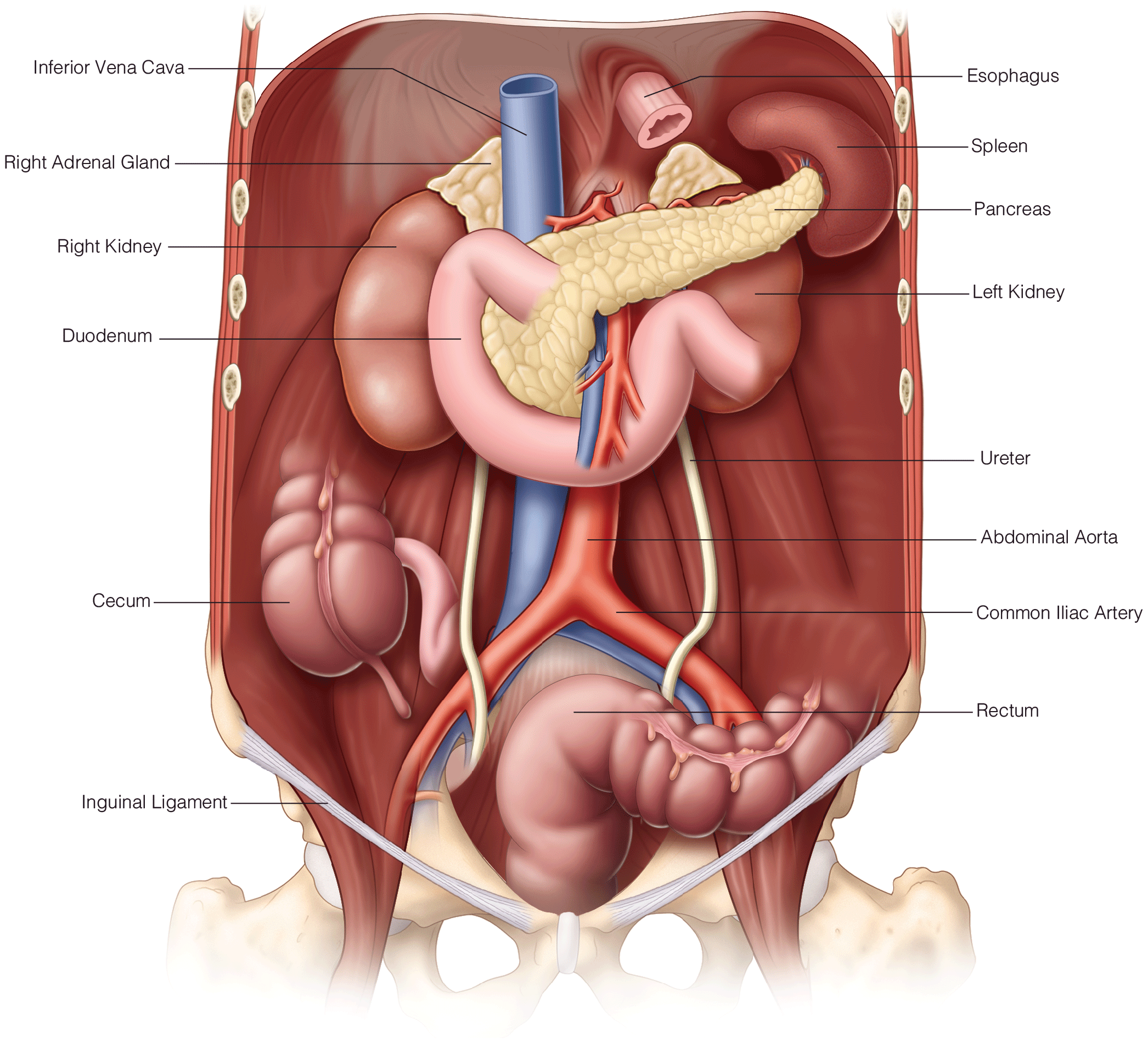
Gastrointestinal Tract and Abdomen: Malignant Diseases of the Peritoneum and Retroperitoneum

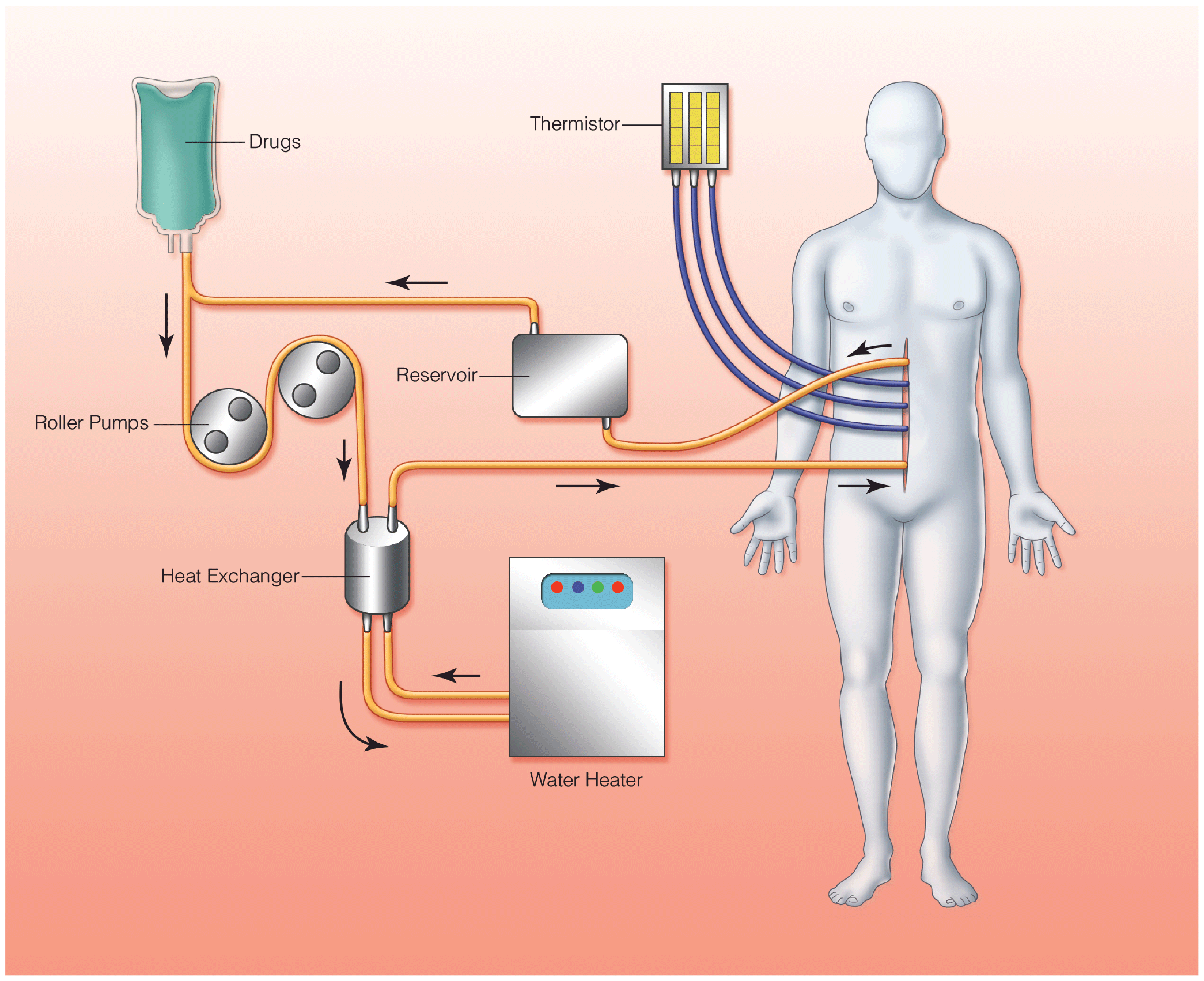
    • Hyperthermic intra-abdominal chemotherapy treatment in the setting of colorectal carcinomatosis, gastric carcinomatosis, pseudomyxoma peritonei
    • Enhanced understanding of the pathophysiology of pseudomyxoma peritonei

Gastrointestinal Tract and Abdomen: Benign Diseases of the Peritoneum and Retroperitoneum

    • Hyperthermic intra-abdominal chemotherapy treatment in the setting of colorectal carcinomatosis, gastric carcinomatosis, pseudomyxoma peritonei
    • Nonsurgical treatment of peritonitis
    • Treatment strategies for intra-abdominal desmoid tumors

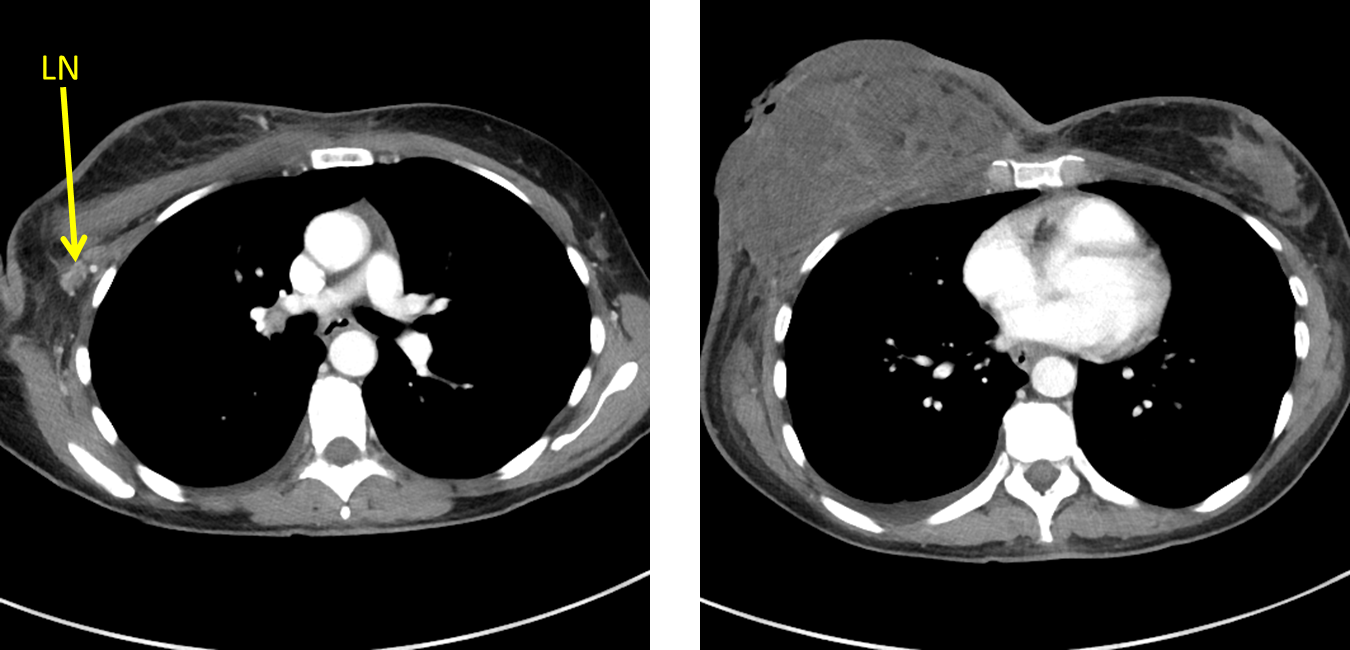
Sarcomas of the Breast

    • Breast sarcomas are typically larger than adenocarcinomas and grow rapidly
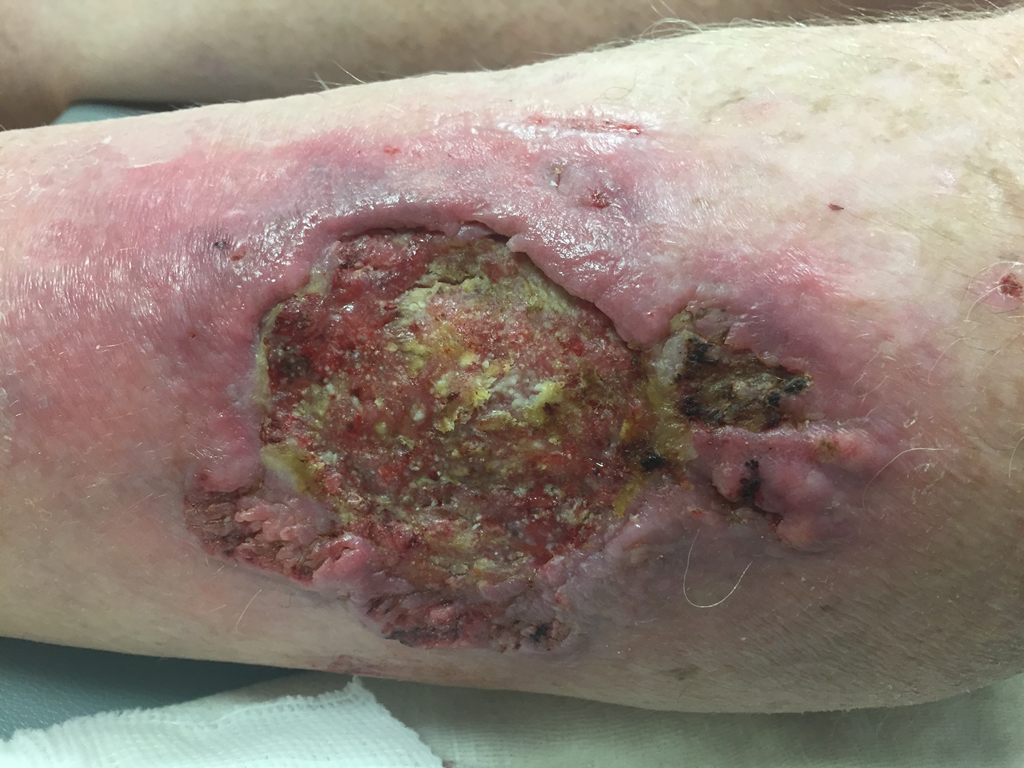
    • Skin changes suggest angiosarcoma, and punch biopsy is diagnostic
    • Mastectomy is recommended in most cases
    • Routine nodal sampling is not recommended
    • Five-year survival for breast sarcoma is 60%
« Previous | Next »
Updates per yearSpecialty updatesNumber of sections