Latest Updates

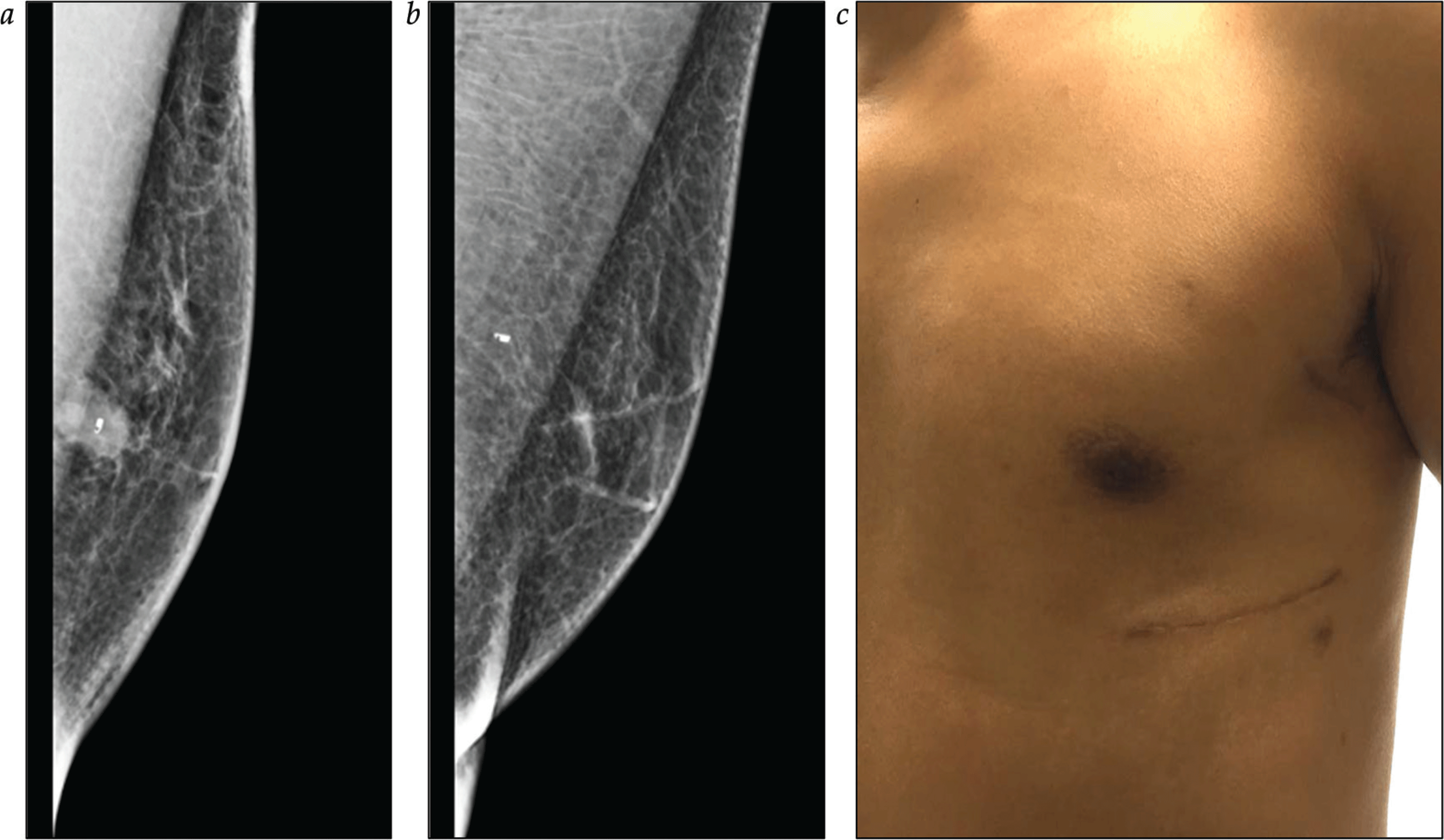
Surgical Management of the Axilla in Breast Cancer

    • Surgical axillary management for patients with early breast cancer has evolved from complete axillary dissection to sentinel lymph node biopsy (SLNB).
    • Today, the vast majority of breast cancer patients should undergo SLNB alone. This includes many patients with sentinel lymph node metastases.
    • Radiation may replace axillary lymph node dissection (ALND) for patients with early sentinel node–positive disease but may be unnecessary for most patients.
    • SLNB can adequately stage the axilla if three or more sentinel nodes are removed.
    • There has not been a demonstrable increase in axillary recurrence or a decrease in survival with the decreased use of ALND.

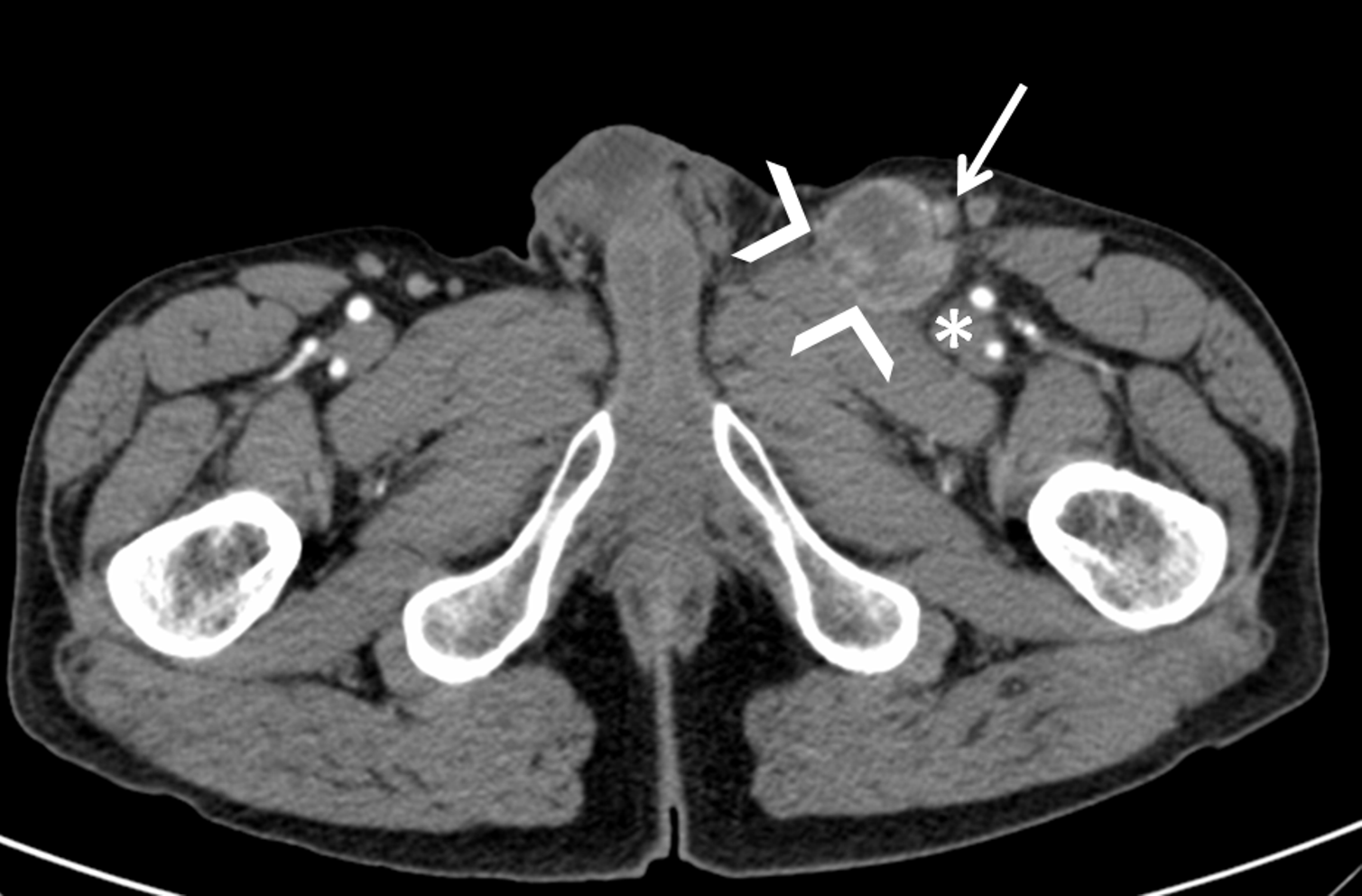
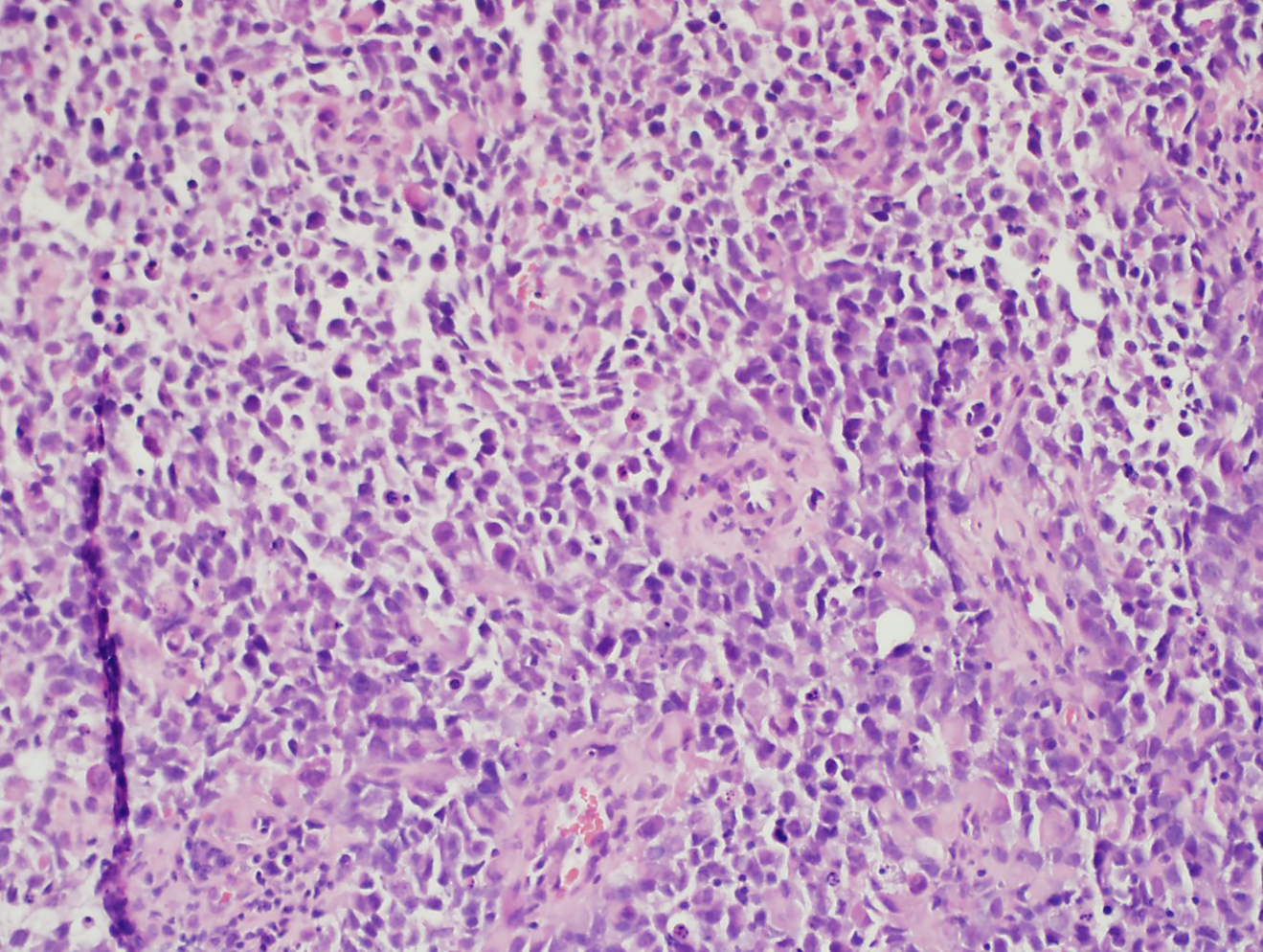
Pediatric Tumors: Rhabdomyosarcoma

    • Classification of rhabdomyosarcoma (RMS) into groups and variants has led to improved understanding of disease prognosis and the need for tailored intervention.
    • Multiagent chemotherapy with surgical excision and/or therapeutic radiation has led to an overall improvement in 5-year survival of RMS from 25 to 75% between 1970 and 2010.
    • Despite improvement in survival of low- and intermediate-risk RMS patients, patients with high-risk RMS or recurrent disease continue to respond inadequately to treatment and have poor survival outcomes.

Pediatric Tumors: Rhabdomyosarcoma

    • Classification of rhabdomyosarcoma (RMS) into groups and variants has led to improved understanding of disease prognosis and the need for tailored intervention.
    • Multiagent chemotherapy with surgical excision and/or therapeutic radiation has led to an overall improvement in 5-year survival of RMS from 25 to 75% between 1970 and 2010.
    • Despite improvement in survival of low- and intermediate-risk RMS patients, patients with high-risk RMS or recurrent disease continue to respond inadequately to treatment and have poor survival outcomes.
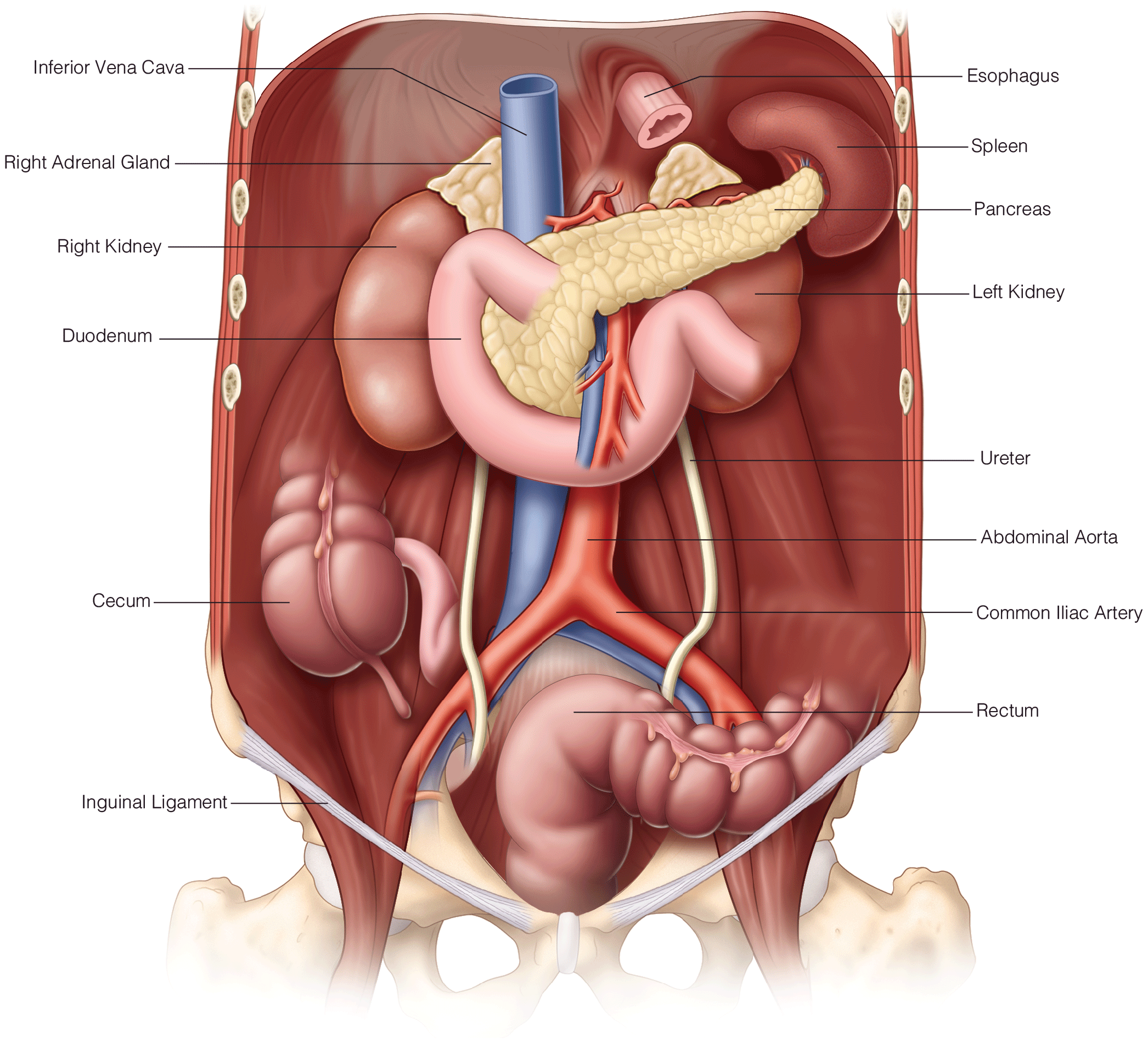
Gastrointestinal Tract and Abdomen: Benign Diseases of the Peritoneum and Retroperitoneum

    • Hyperthermic intra-abdominal chemotherapy treatment in the setting of colorectal carcinomatosis, gastric carcinomatosis, pseudomyxoma peritonei
    • Nonsurgical treatment of peritonitis
    • Treatment strategies for intra-abdominal desmoid tumors

Management of Patients with Genetic Predisposition to Breast Cancer

    • Recent legal and technological advances have popularized inexpensive, large multigene panels.
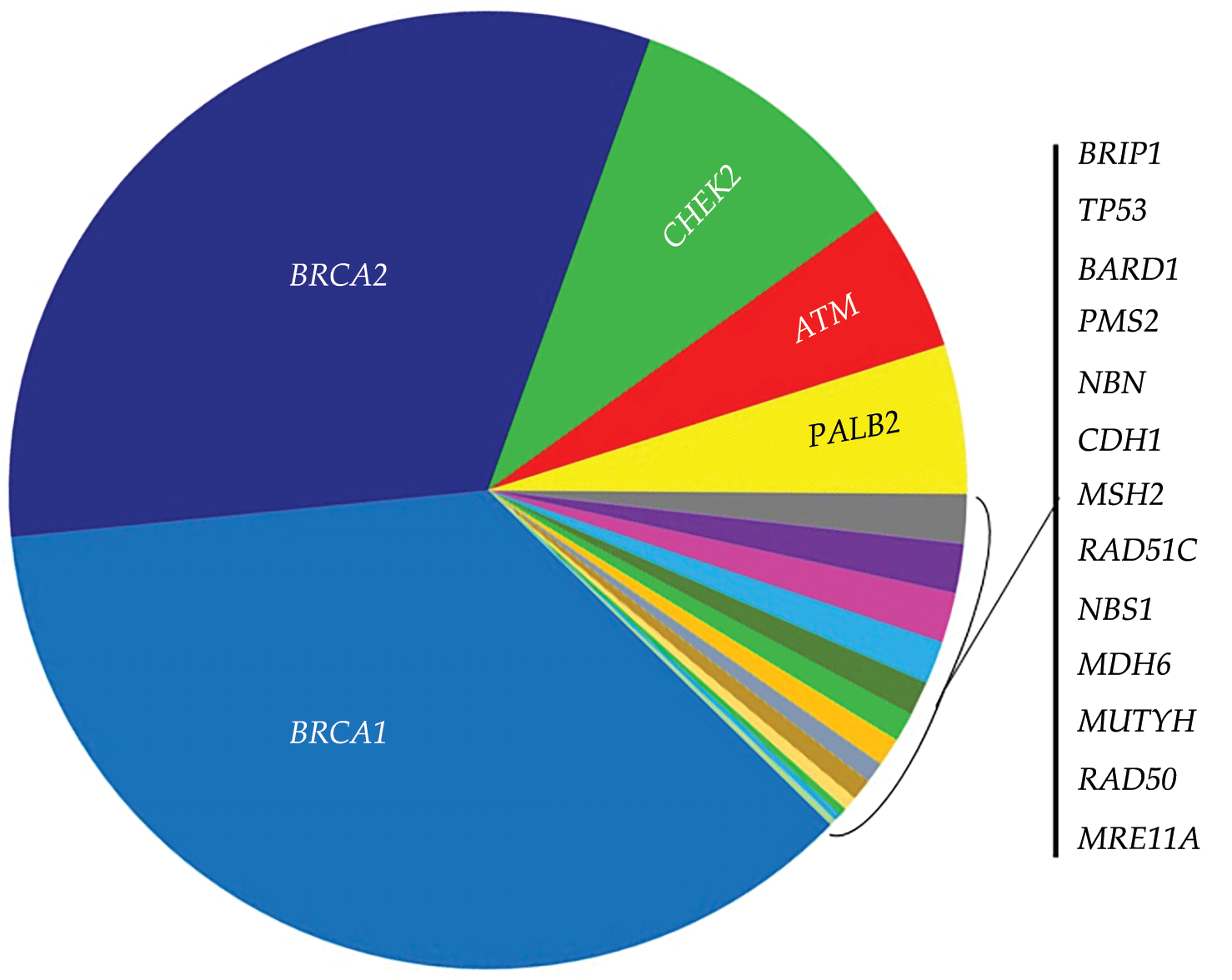
    • BRCA1 and BRCA2 are still the genes most frequently implicated in hereditary breast cancer predisposition. PALB2, CHEK2, and ATM are the next most common.
    • Most patients with a pathologic mutation in any of the breast cancer predisposition genes meet the criteria for enhanced surveillance with MRI.
    • Risk-reducing salpingo-oophorectomy provides a survival advantage and likely reduces breast cancer risk in BRCA2 carriers.
    • Breast cancers in women with pathologic mutations in DNA double-strand break repair genes show enhanced sensitivity to platin agents and PARP inhibitors.

Management of Patients with Genetic Predisposition to Breast Cancer

    • Recent legal and technological advances have popularized inexpensive, large multigene panels.
    • BRCA1 and BRCA2 are still the genes most frequently implicated in hereditary breast cancer predisposition. PALB2, CHEK2, and ATM are the next most common.
    • Most patients with a pathologic mutation in any of the breast cancer predisposition genes meet the criteria for enhanced surveillance with MRI.
    • Risk-reducing salpingo-oophorectomy provides a survival advantage and likely reduces breast cancer risk in BRCA2 carriers.
    • Breast cancers in women with pathologic mutations in DNA double-strand break repair genes show enhanced sensitivity to platin agents and PARP inhibitors.

Leiomyosarcoma

    • Neoadjuvant chemotherapy with epirubicin and ifosfamide
    • Prognostic stratification
    • Extension of surgery in the retroperitoneum

Leiomyosarcoma

    • Neoadjuvant chemotherapy with epirubicin and ifosfamide
    • Prognostic stratification
    • Extension of surgery in the retroperitoneum
« Previous | Next »
Updates per yearSpecialty updatesNumber of sections