- Recognition of invasive lobular cancer as a biologically unique entity from invasive ductal cancer
- Identification of novel mutations more frequently identified in invasive lobular cancers in The Cancer Genome Analysis (TCGA) study
- Multimodality treatment approaches with an emphasis on tumor biology
- Consensus guidelines for negative margins at lumpectomy and applicability to lobular cancers
- Impact and utility of neoadjuvant chemotherapy and neoadjuvant endocrine therapy in lobular cancers
Latest Updates


Understanding the Genetics of Pancreatic Adenocarcinoma
- Whole genome/exome sequencing
- RNA expression analysis
- Genome-wide association studies

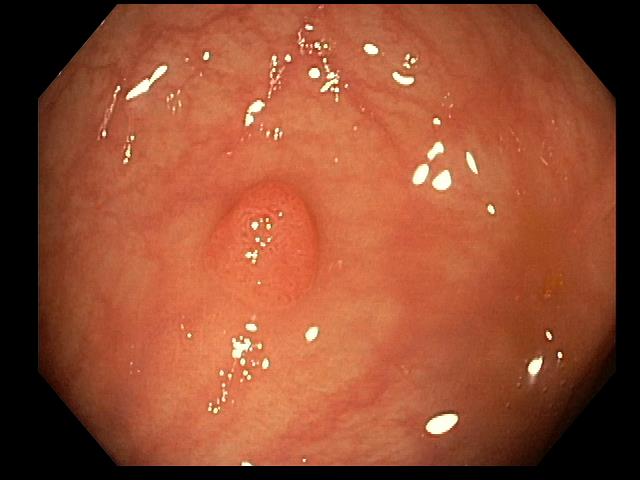
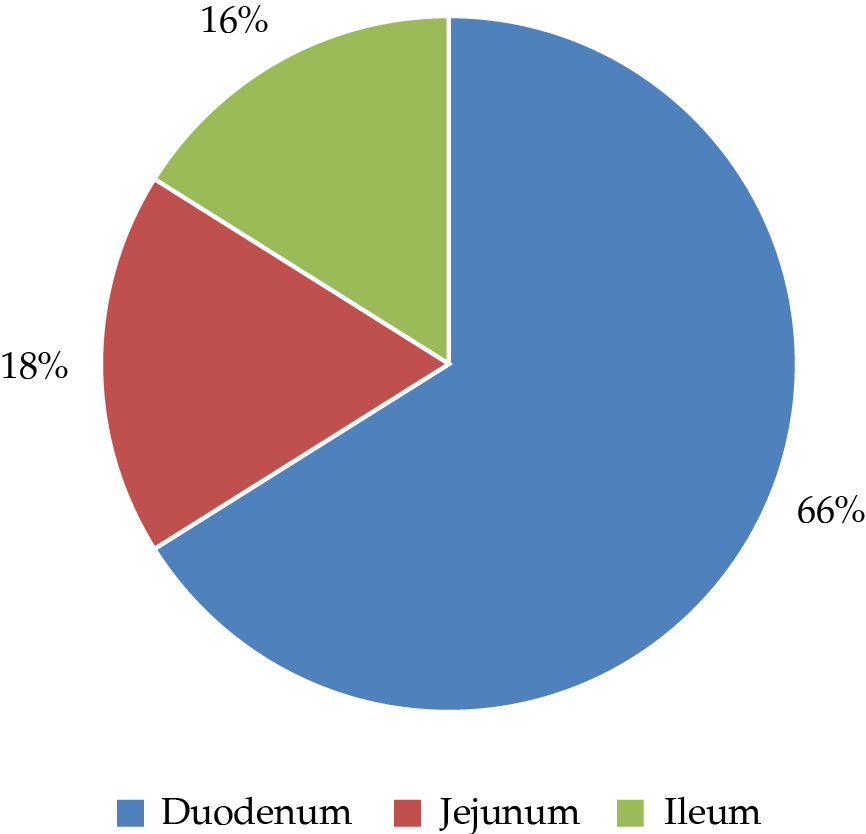
Small Intestine: Adenocarcinoma
- Genetic pathways implicated in small bowel adenocarcinoma (APC, TP53, β-catenin, SMAD4, microsatellite instability, K-ras) are similar to colorectal adenocarcinoma but less well understood.
- Advanced endoscopy or enteroscopy can be used to obtain preoperative diagnosis.
- Cytoreductive surgery and hyperthermic intraperitoneal chemotherapy may offer improved survival for a subset of patients with peritoneal metastasis.

Small Intestine: Adenocarcinoma
- Genetic pathways implicated in small bowel adenocarcinoma (APC, TP53, β-catenin, SMAD4, microsatellite instability, K-ras) are similar to colorectal adenocarcinoma but less well understood.
- Advanced endoscopy or enteroscopy can be used to obtain preoperative diagnosis.
- Cytoreductive surgery and hyperthermic intraperitoneal chemotherapy may offer improved survival for a subset of patients with peritoneal metastasis.
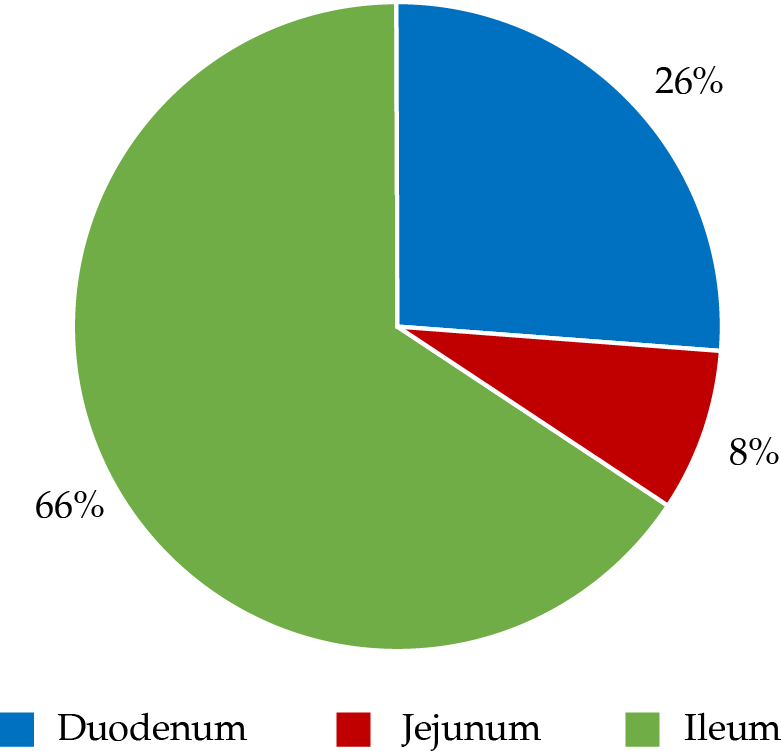
Small Intestine: Neuroendocrine and Miscellaneous Tumors
- Functional PET/CT with gallium-68 dotatate provides improved sensitivity and resolution compared with traditional imaging methods.
- Hepatic transarterial embolizations can improve carcinoid-related symptoms in patients who are not surgical candidates or have unresectable disease.
- Somatostatin analogues remain the mainstay of systemic therapy for carcinoid, whereas targeted agents and cytotoxic chemotherapy are areas of active investigation.

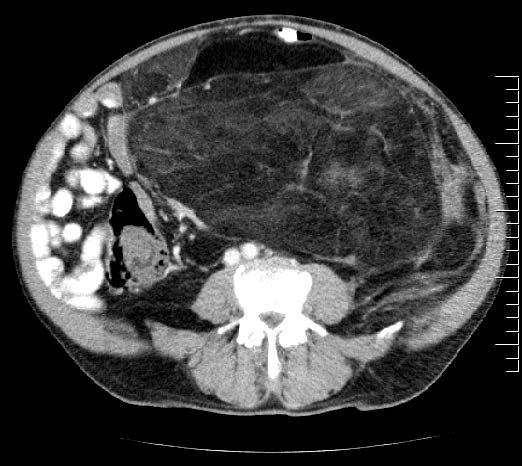
Management of Recurrent Retroperitoneal Sarcoma
- Better understanding of the patterns of failure such that patients at high risk for relapse are identified
- Improved understanding of the molecular basis of sarcomas impacting our ability to diagnose and predict the biologic behavior and to further inform management algorithms
- Successful completion of a randomized clinical trial to determine the effects of preoperative radiation therapy on local recurrence in primary resectable retroperitoneal sarcoma

Small Intestine: Neuroendocrine and Miscellaneous Tumors
- Functional PET/CT with gallium-68 dotatate provides improved sensitivity and resolution compared with traditional imaging methods.
- Hepatic transarterial embolizations can improve carcinoid-related symptoms in patients who are not surgical candidates or have unresectable disease.
- Somatostatin analogues remain the mainstay of systemic therapy for carcinoid, whereas targeted agents and cytotoxic chemotherapy are areas of active investigation.

Management of Recurrent Retroperitoneal Sarcoma
- Better understanding of the patterns of failure such that patients at high risk for relapse are identified
- Improved understanding of the molecular basis of sarcomas impacting our ability to diagnose and predict the biologic behavior and to further inform management algorithms
- Successful completion of a randomized clinical trial to determine the effects of preoperative radiation therapy on local recurrence in primary resectable retroperitoneal sarcoma


.png)