- Immunomodulating formulas may not offer additional benefits to critically ill patients.
- Special pulmonary formulas do not improve outcomes for patients with ARDS.
- Gastric residuals are not a factor in assessing for enteral tolerance as they do not correlate with risk of aspiration and pneumonia.
Latest Updates


The Immunocompromised Surgical Patient and Opportunistic Infections
- Solid-organ transplant recipients may not present with classic signs and symptoms of infections due to their immunosuppressive state
- Due to overlapping radiologic and clinical features of various opportunistic infections, a tissue biopsy should be obtained, if feasible, to establish diagnosis.
- Mycobacterium chimaera,associated with heater cooler devices used during cardiac surgery, has recently emerged as an important pathogen in post cardiac surgery patients.
- Rapamycins cause delayed wound healing and should be avoided in the immediate postoperative period.
- Isavuconazole is as efficacious as voriconazole in the treatment of invasive aspergillosis.

Management of Pancreatic Adenocarcinoma
- New AJCC staging model for pancreatic adenocarcinoma
- Use of neoadjuvant FOLFIRINOX in resectable pancreatic cancer
- Laparoscopic and robotic pancreaticoduodenectomy
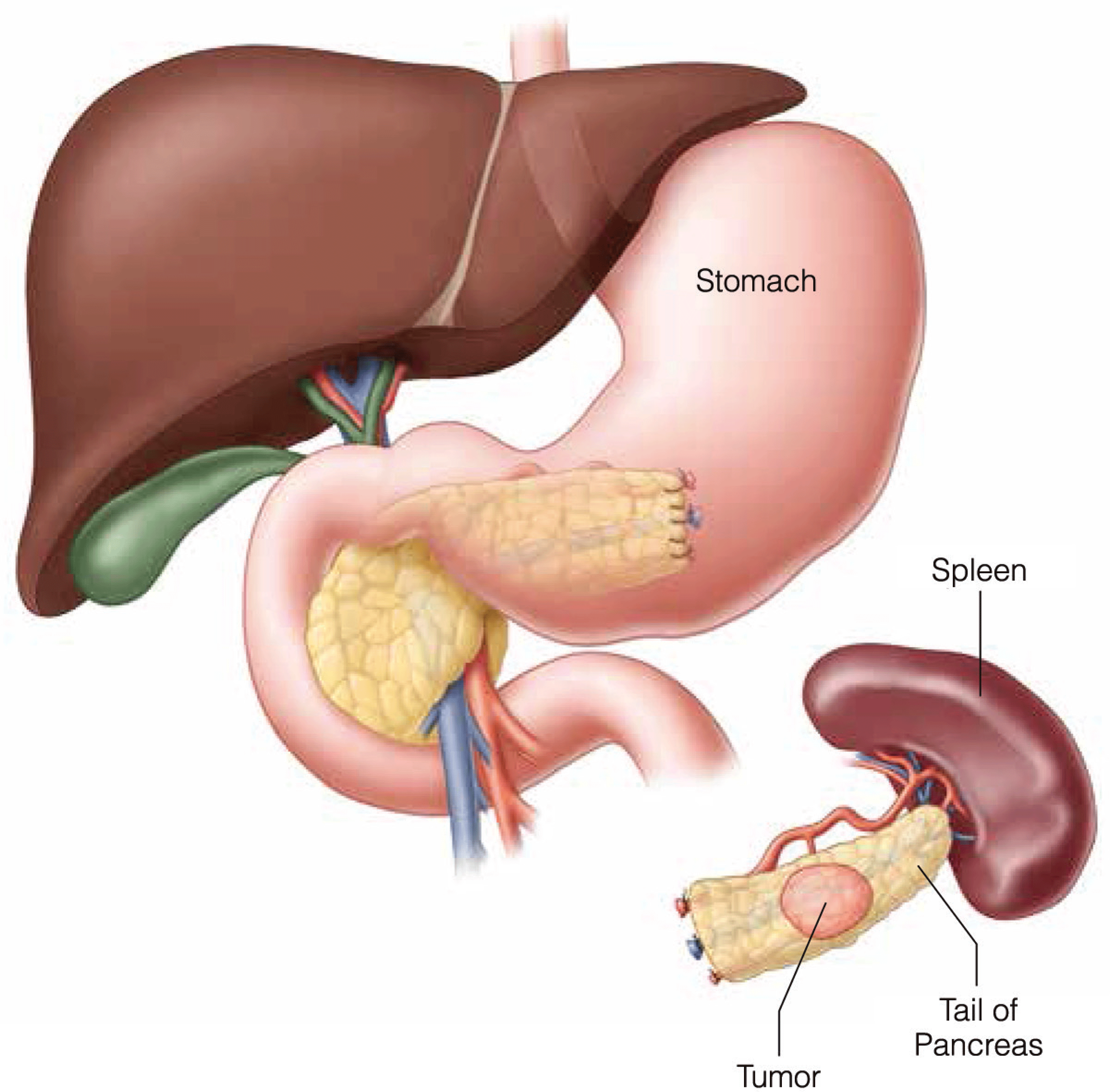
- Laparoscopic and robotic distal pancreatectomy

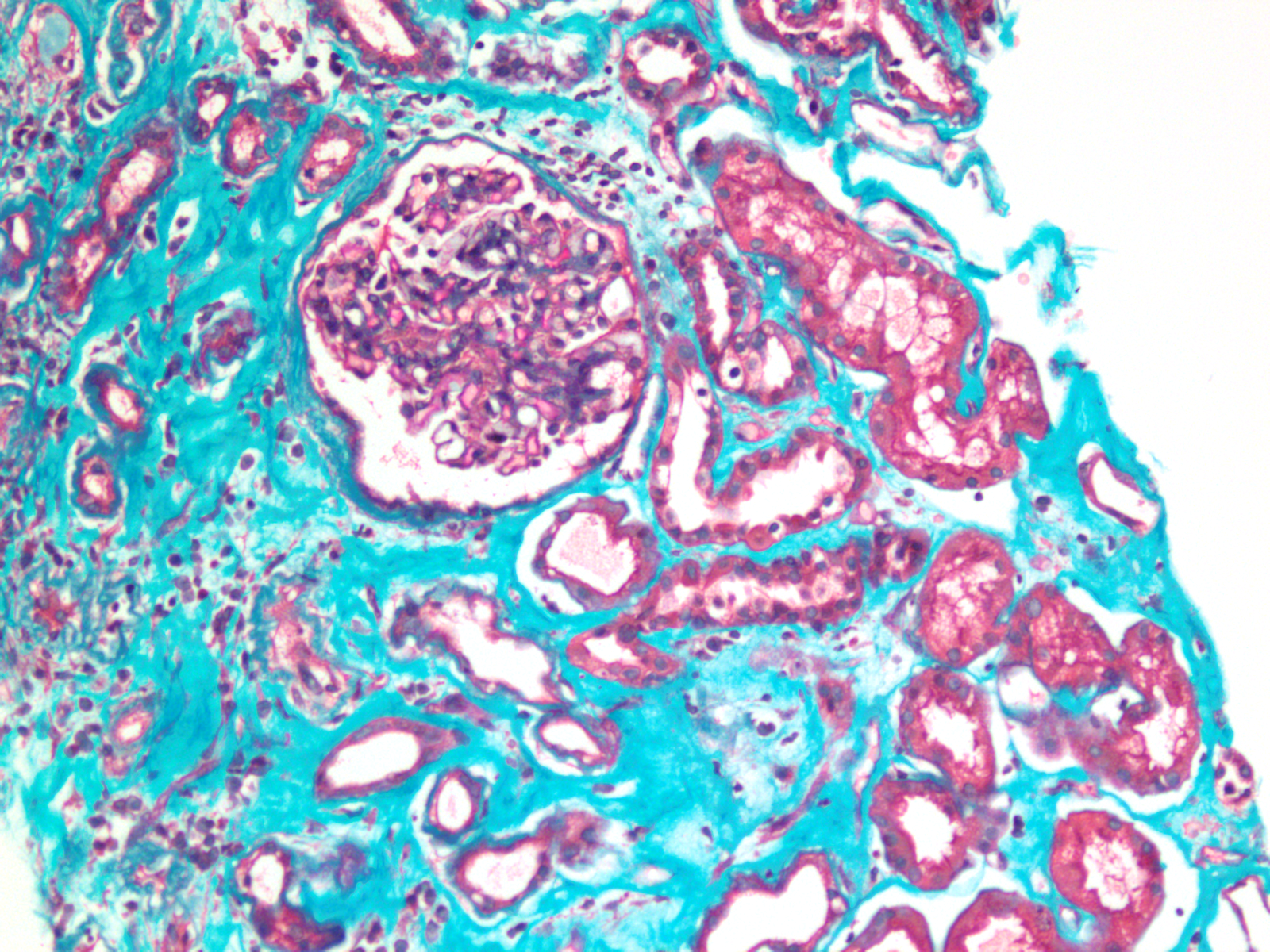
- Redefining chronic allograft nephropathy, which is an overly broad and somewhat imprecise pathologic diagnosis, to chronic allograft dysfunction to describe a clinical diagnosis of late graft failure from various causes
- Development of donor-specific antibodies and chronic antibody rejection emerging as the major pathophysiologic mechanisms responsible for this entity
- Use of donor-specific antibody in the diagnosis and prognostication of chronic allograft dysfunction

Management of Pancreatic Adenocarcinoma
- New AJCC staging model for pancreatic adenocarcinoma
- Use of neoadjuvant FOLFIRINOX in resectable pancreatic cancer
- Laparoscopic and robotic pancreaticoduodenectomy
- Laparoscopic and robotic distal pancreatectomy

- Metabolic alkalosis, one of the most common electrolytes disorders, is characterized by an increase in pH, a decrease in [H+], and an increase in [HCO3–].
- The pathogenesis of metabolic alkalosis involves a generative and a maintenance phase. The generative phase involves either loss of acid, gain of bicarbonate, or cellular shift. The maintenance phase involves impairment of the renal handling of bicarbonate.
- The etiologies of metabolic alkalosis can be divided into categories of chloride depletion, potassium depletion, and hypercalcemic states.
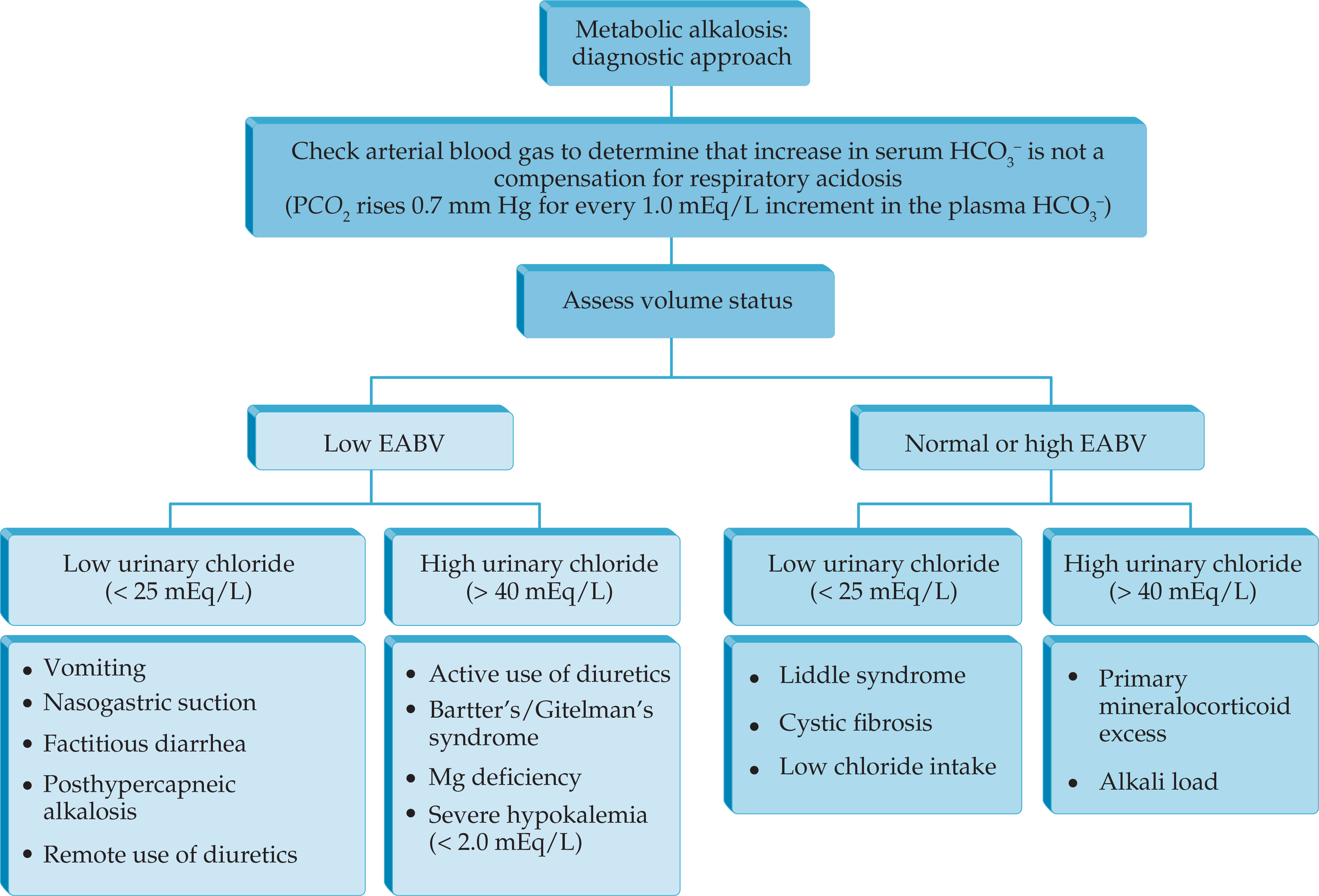
- A diagnostic approach using volume status and urine chloride can be useful.
- Management of metabolic alkalosis is best achieved by correcting the factor responsible for maintenance. Treatment options differ if the metabolic alkalosis was chloride responsive or chloride resistant.

Dermatofibrosarcoma Protuberans
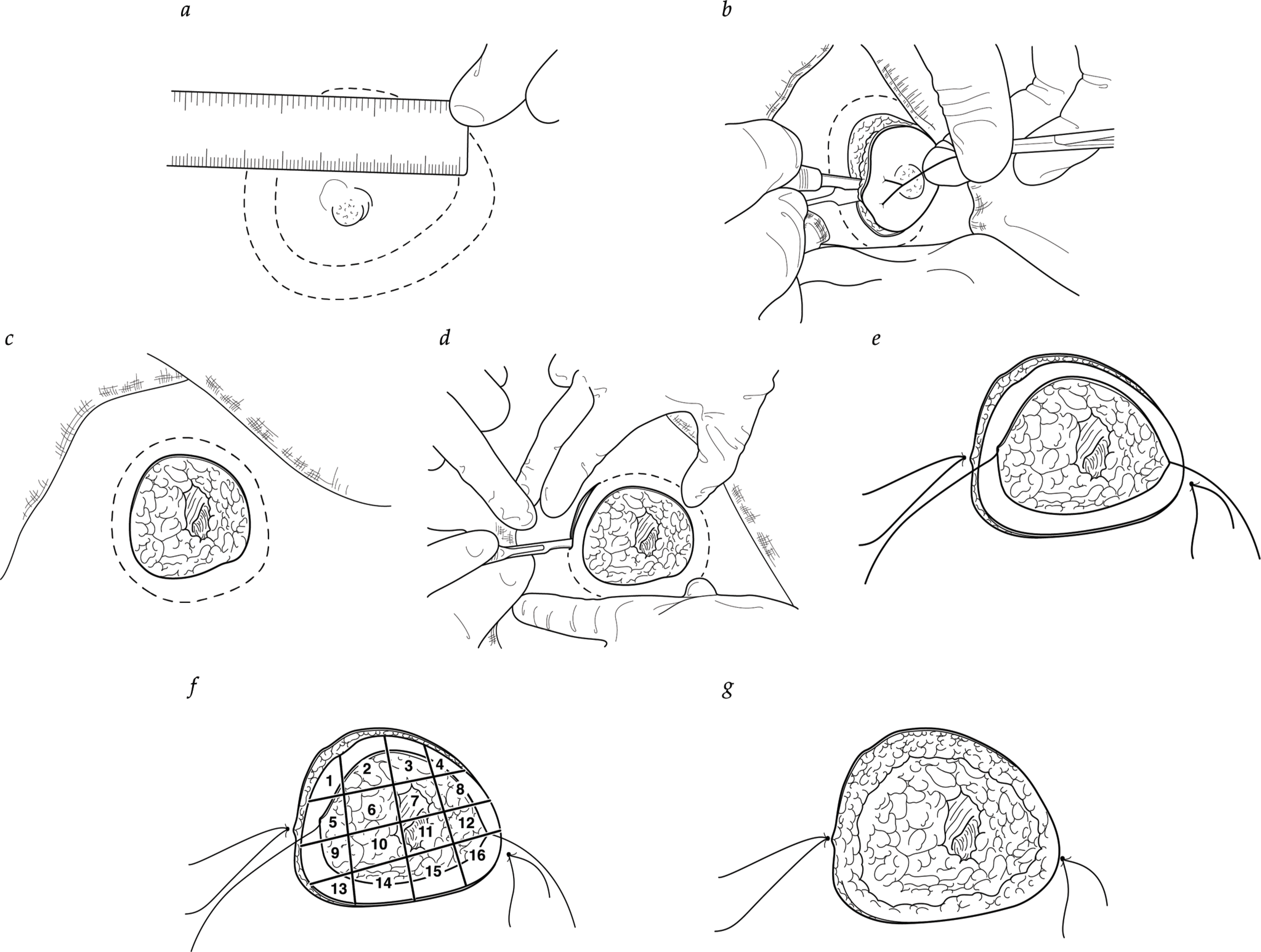
- Recognition of the characteristic tentaclelike projections resulting in an acentric growth pattern requiring horizontal sectioning with meticulous margin analysis
- Appreciation of fibrosarcomatous change as a poor prognostic indicator carrying an increased risk of metastasis and death
- Use of the targeted tyrosine kinase receptor inhibitor imatinib as an adjuvant treatment strategy

Dermatofibrosarcoma Protuberans
- Recognition of the characteristic tentaclelike projections resulting in an acentric growth pattern requiring horizontal sectioning with meticulous margin analysis
- Appreciation of fibrosarcomatous change as a poor prognostic indicator carrying an increased risk of metastasis and death
- Use of the targeted tyrosine kinase receptor inhibitor imatinib as an adjuvant treatment strategy


.png)