
Latest Updates

Nutrition For The Healthy Child

    • Use both growth charts and nutrition-focused physical assessment to assess the growth trends of school-age children
    • Use MyPlate as a teaching tool for school-age children when explaining the goals around a balanced diet
    • Counsel the concept of “division of responsibility” to allow children to follow their own hunger and satiety cues, which can assist with mealtime behaviors and play a role in obesity prevention

Hand Fractures

    • Fish oil–based lipid emulsions may be efficacious in the treatment of parenteral nutrition–associated liver disease (PNALD).
    • Lipid reduction (e.g., to 1 g/kg/day) does not decrease the incidence of PNALD but does slow its progression.
    • Patients whose cholestasis reverses with fish oil therapy or achievement of enteral autonomy may have stable rather than progressive cirrhosis and should not be transplanted based on biopsy alone.

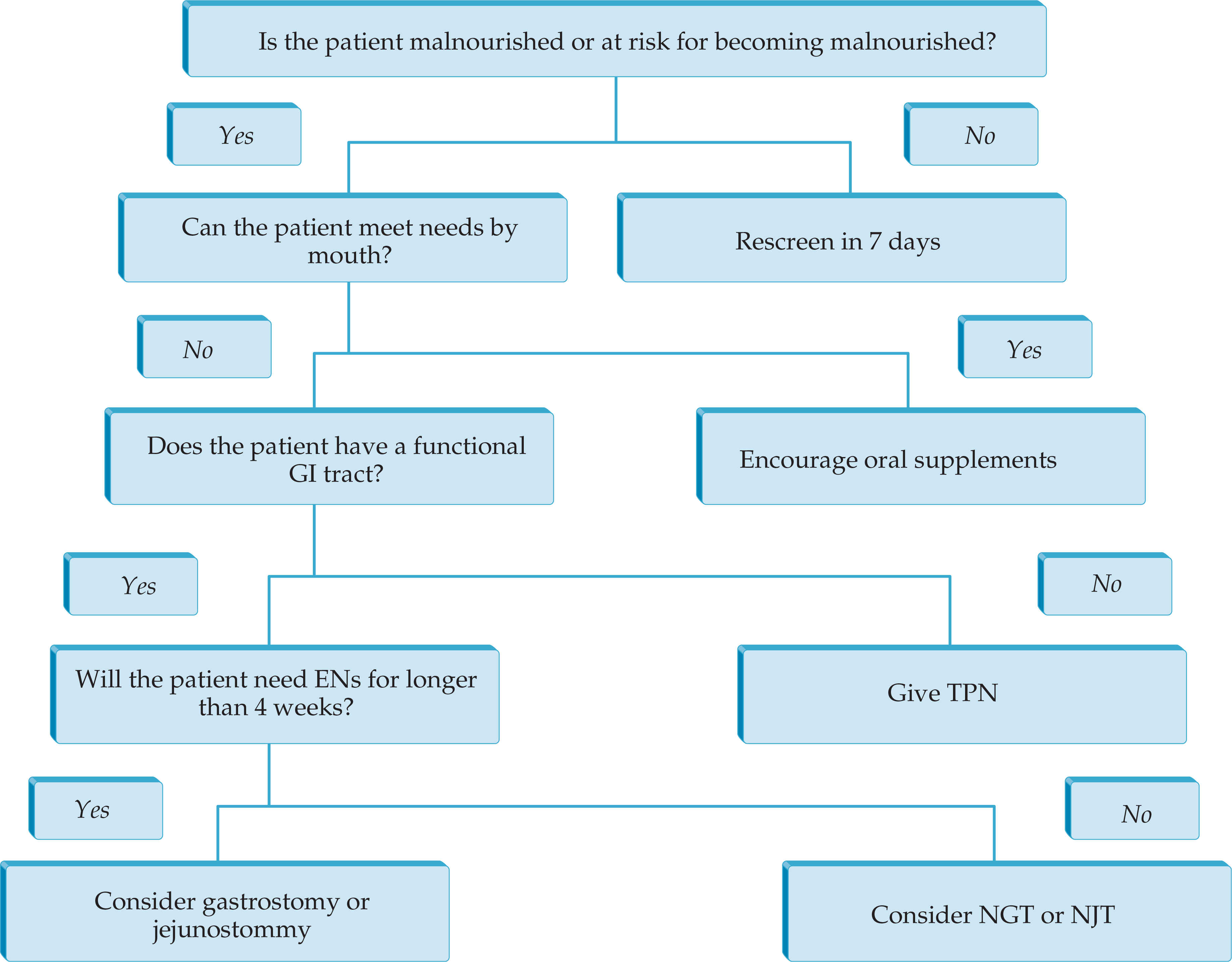
Overview Of Enteral Nutrition

    • Immunomodulating formulas may not offer additional benefits to critically ill patients.
    • Special pulmonary formulas do not improve outcomes for patients with ARDS.
    • Gastric residuals are not a factor in assessing for enteral tolerance as they do not correlate with risk of aspiration and pneumonia.

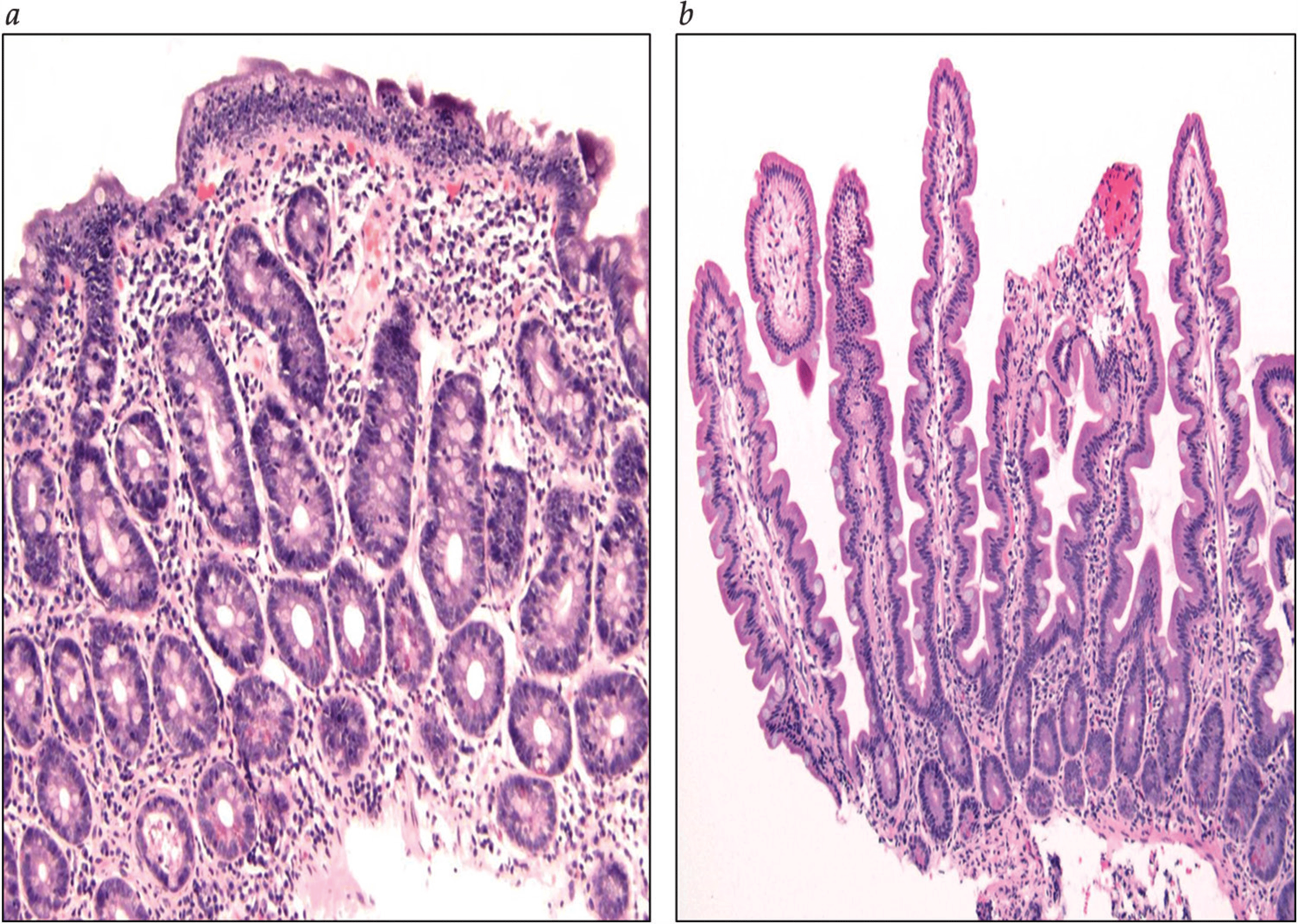
Nutritional Management of Celiac Disease

    • Glutenases: Clinical trials using glutenases versus placebo have demonstrated worsening of histologic findings in the placebo group compared with glutenases on consumption of up to 2 g of gluten.
    • Tight junction regulators: Larazotide acetate demonstrated a reduction in gluten-induced immune reactivity and symptoms when celiac subjects were exposed to a 2.7 g gluten challenge when compared with placebo in a randomized, double-blind, placebo-controlled trial.
    • IgY antibodies: Animal studies using mice fed with gastric-stabilized antigliadin IgY antibodies derived from the egg yolks of gluten-immunized chickens in addition to gluten showed a reduction in gluten absorption from the diet.

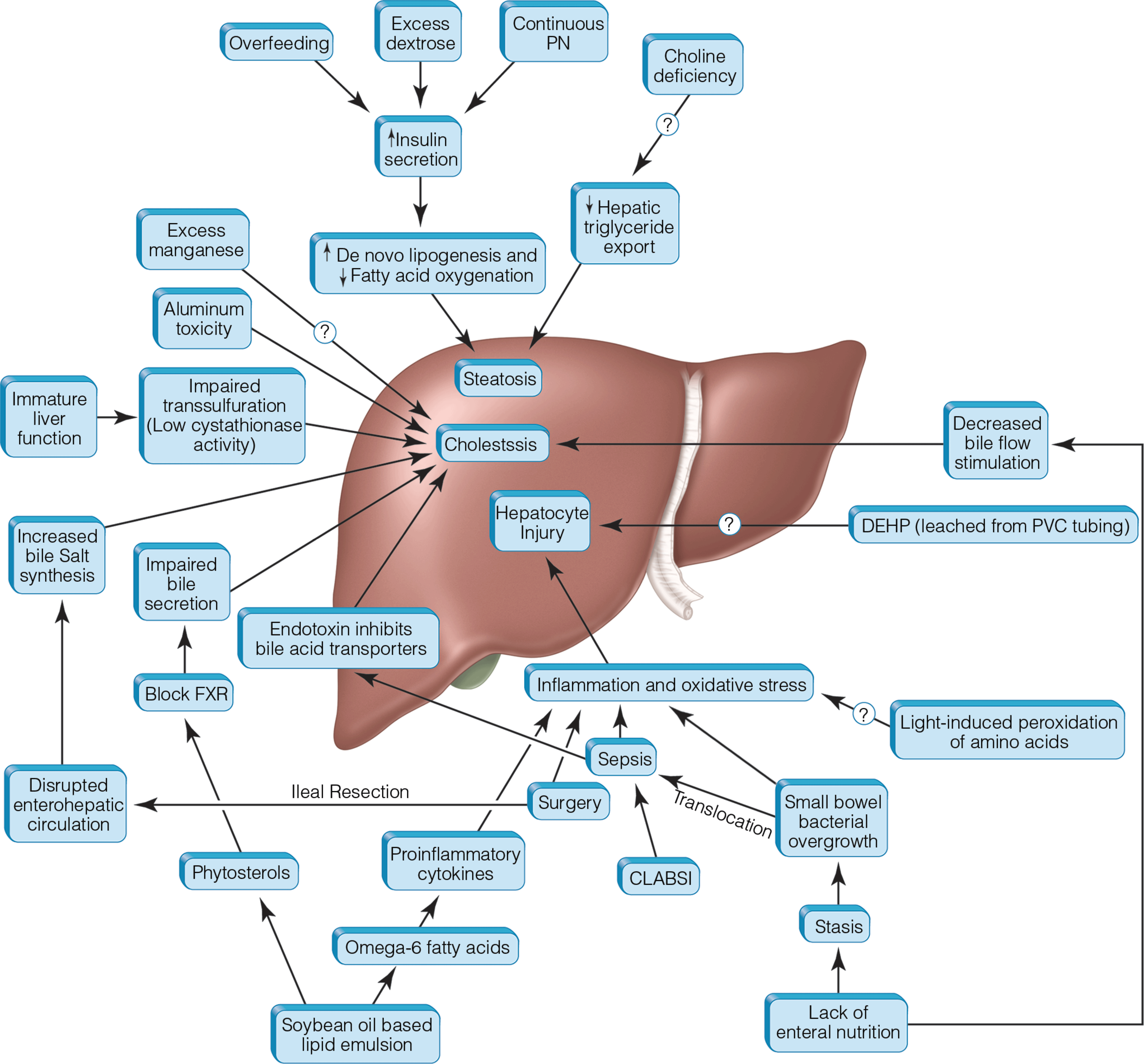
Parenteral Nutrition Associated Liver Toxicity: Prevention, Diagnosis, and Management

    • Fish oil–based lipid emulsions may be efficacious in the treatment of parenteral nutrition–associated liver disease (PNALD).
    • Lipid reduction (e.g., to 1 g/kg/day) does not decrease the incidence of PNALD but does slow its progression.
    • Patients whose cholestasis reverses with fish oil therapy or achievement of enteral autonomy may have stable rather than progressive cirrhosis and should not be transplanted based on biopsy alone.

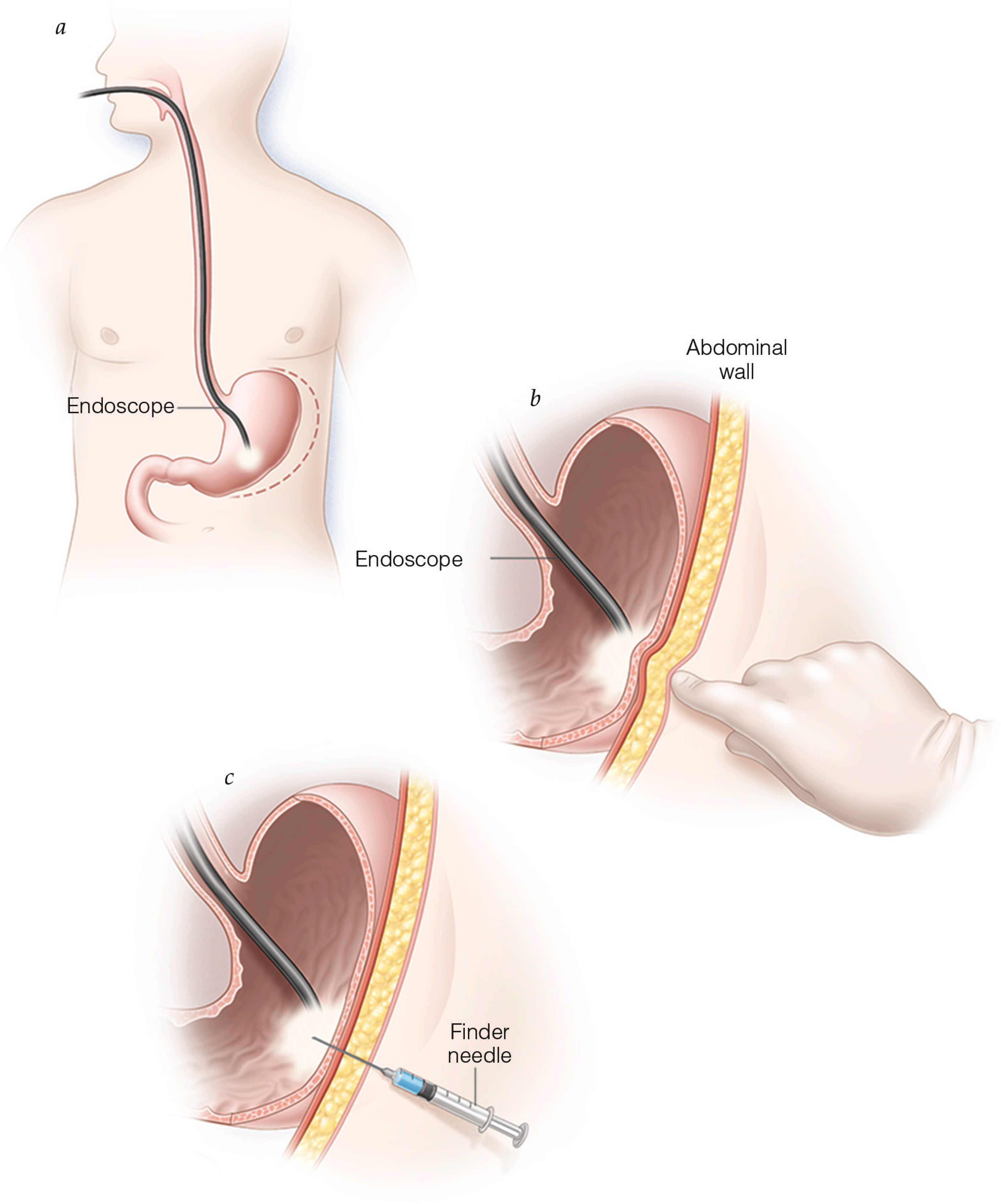
Endoscopic Techniques for Obtaining Enteral Access

    • DPEJ tubes should be considered when percutaneous endoscopic gastrostomy (PEG) tubes are not feasible or are contraindicated.
    • Postpyloric feeding (percutaneous gastrostomy with a jejunal extension or direct percutaneous jejunostomy should be considered in severely ill patients (especially those with an APACHE II score over 20).
    • In patients with dementia, PEG tube placement does not enhance mortality, prevent aspiration pneumonia, improve nutritional status, or improve quality of life.

Overview of Enteral Nutrition 

    • Immunomodulating formulas may not offer additional benefits to critically ill patients.
    • Special pulmonary formulas do not improve outcomes for patients with ARDS.
    • Gastric residuals are not a factor in assessing for enteral tolerance as they do not correlate with risk of aspiration and pneumonia.

The Immunocompromised Surgical Patient and Opportunistic Infections

    • Solid-organ transplant recipients may not present with classic signs and symptoms of infections due to their immunosuppressive state
    • Due to overlapping radiologic and clinical features of various opportunistic infections, a tissue biopsy should be obtained, if feasible, to establish diagnosis.
    • Mycobacterium chimaera,associated with heater cooler devices used during cardiac surgery, has recently emerged as an important pathogen in post cardiac surgery patients.
    • Rapamycins cause delayed wound healing and should be avoided in the immediate postoperative period.
    • Isavuconazole is  as efficacious as voriconazole in the treatment of invasive aspergillosis.
« Previous | Next »
Updates per yearSpecialty updatesNumber of sections