Latest Updates

End of Life Care and Withdrawal of Life Support

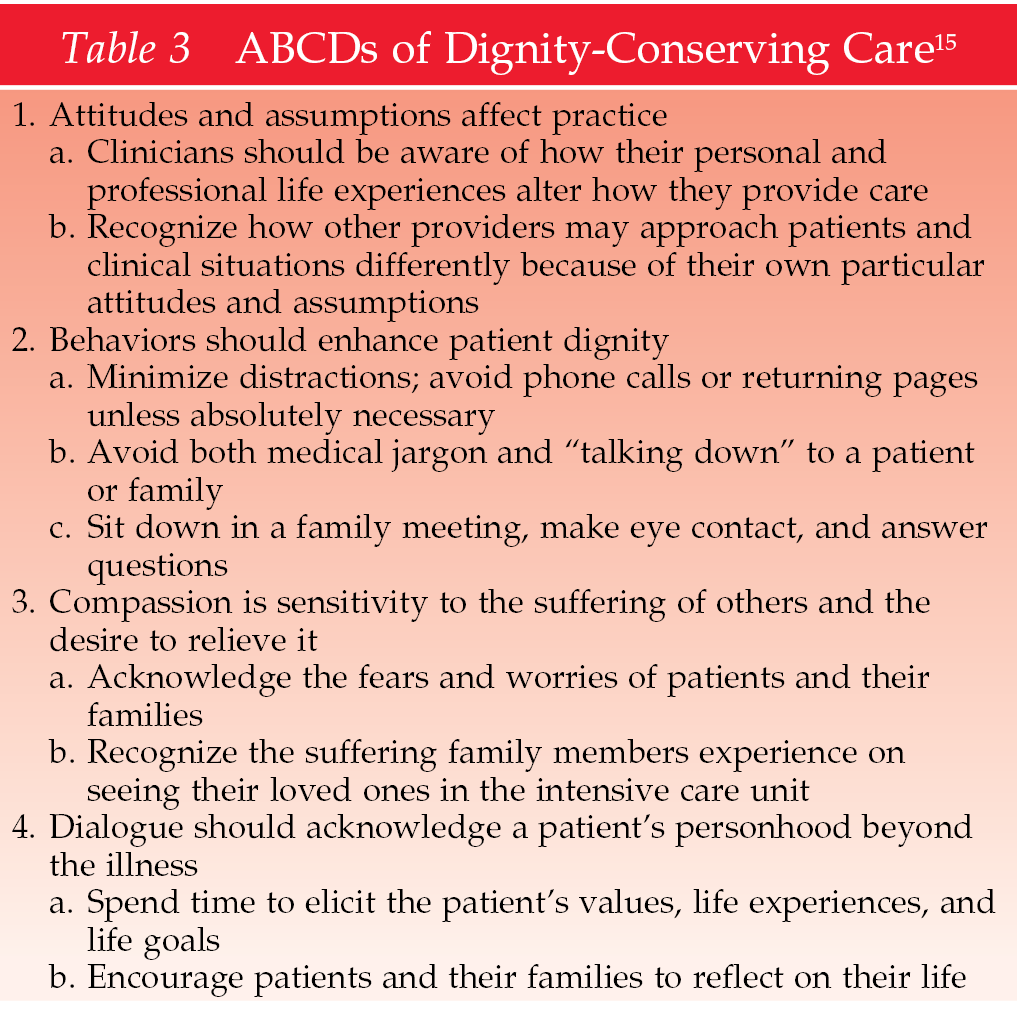
    • Enhanced understanding of differences in palliative care between surgical and medical intensive care units
    • Improved specificity of bedside signs and indications for imminent death
    • Preoperative detection of frailty using the Risk Analysis Index with subsequent preoperative palliative care consultation may result in decreased postoperative mortality

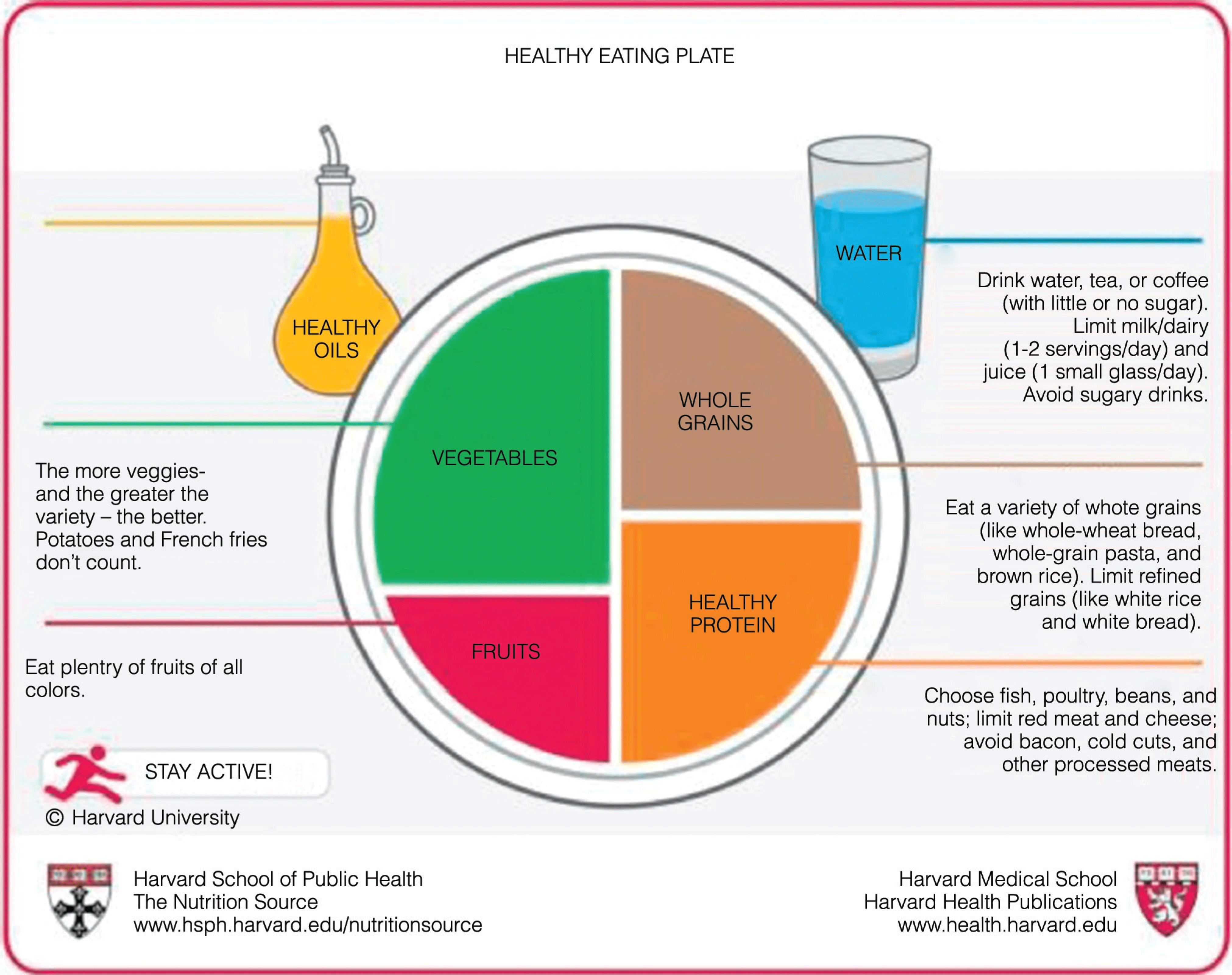
Overview Of Public Health Dietary Guidelines For Prevention Of Cancer

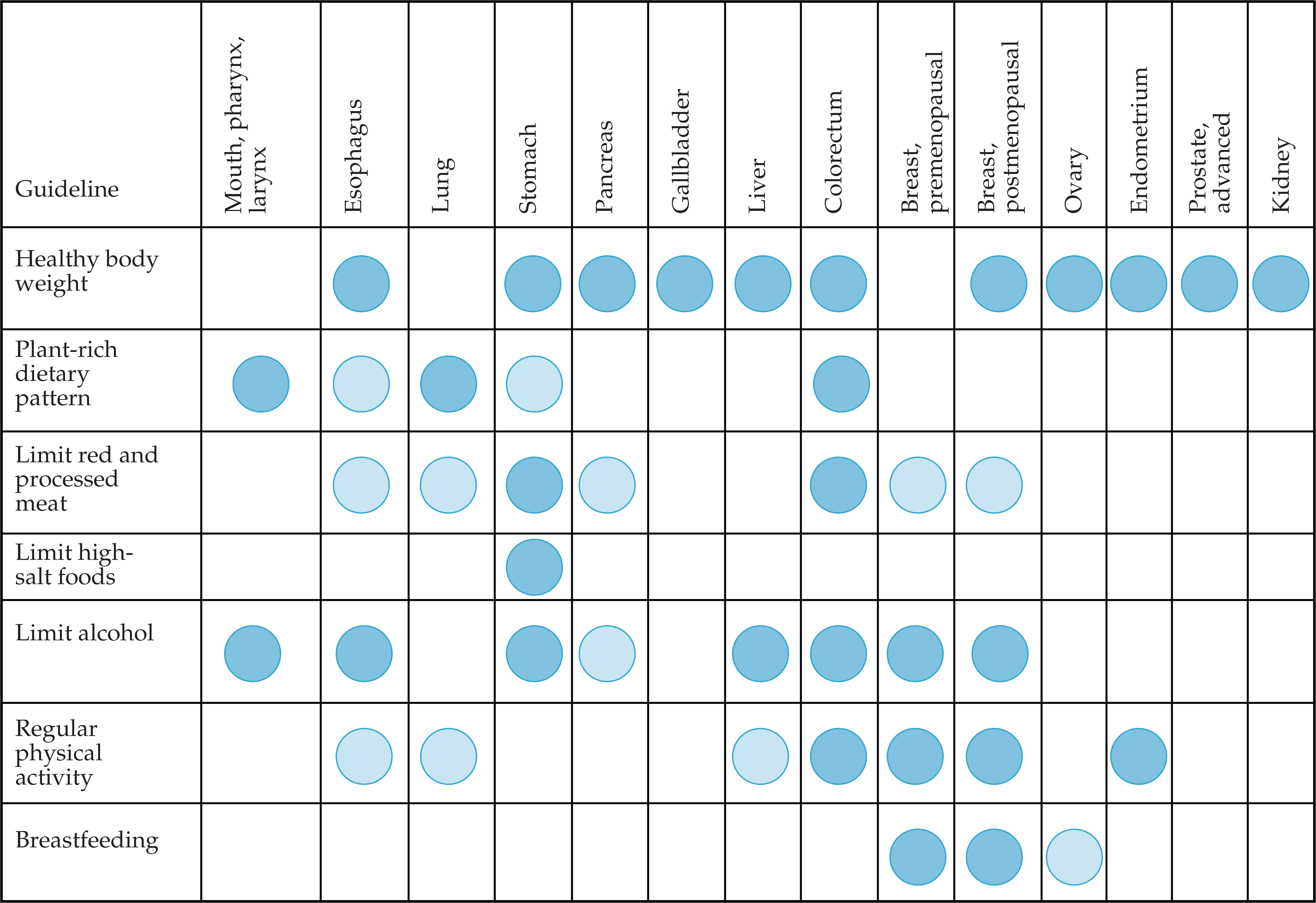
    • Obesity is now seen as such an important factor in cancer risk that dietary patterns for cancer prevention should be implemented within the context of influence on reaching and maintaining a healthy weight.
    • For reducing cancer risk, the priority is an overall plant-rich dietary pattern, which can be achieved through a variety of choices to match individual needs and preferences.
    • Better overall adherence to diet, weight, and physical activity recommendations for physical activity is linked with a lower risk of at least some cancers.
    • Dietary guidelines for cancer prevention are not identical to recommendations for prevention of type 2 diabetes and cardiovascular disease but are fully compatible with them, enabling unified and consistent messages about healthful eating patterns.

A Comprehensive Review of Wound Healing

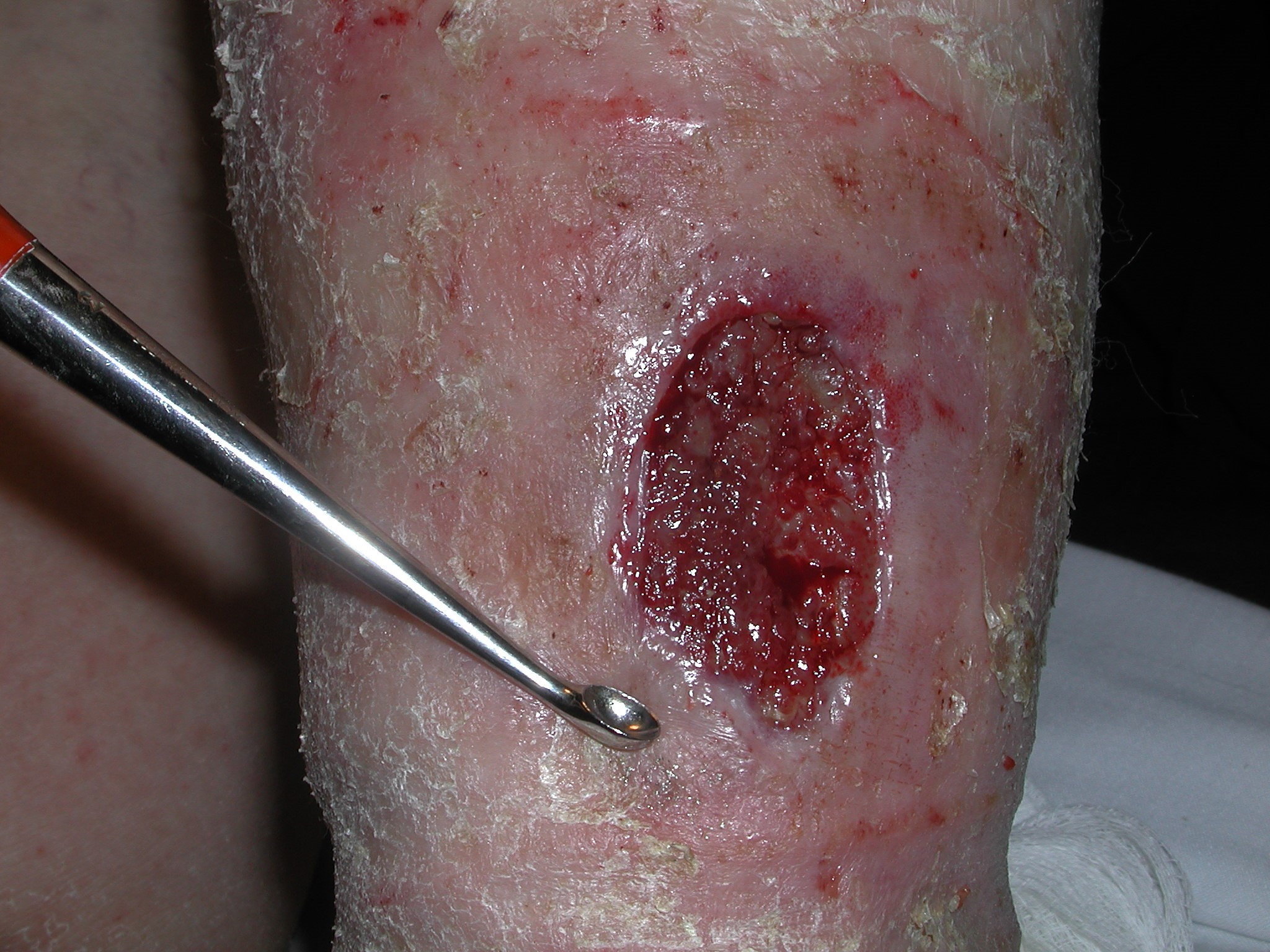
    • Update on wound healing, including its pathophysiology, symptoms, diagnostic workup, and treatment, as well as characteristics of different wound types
    • Information on how to distinguish between the most common wound types: vascular ulcers, neuropathic/diabetic ulcers, pressure injury, and venous ulcers
    • Knowledge of the four physiologic phases of wound healing to provide better understanding of the challenges in wound healing and treatment approaches 
    • Outline of methods to facilitate wound healing and their benefits and limitations 

Dietary Patterns And Risk Of Cancer: Current Evidence And Future Directions

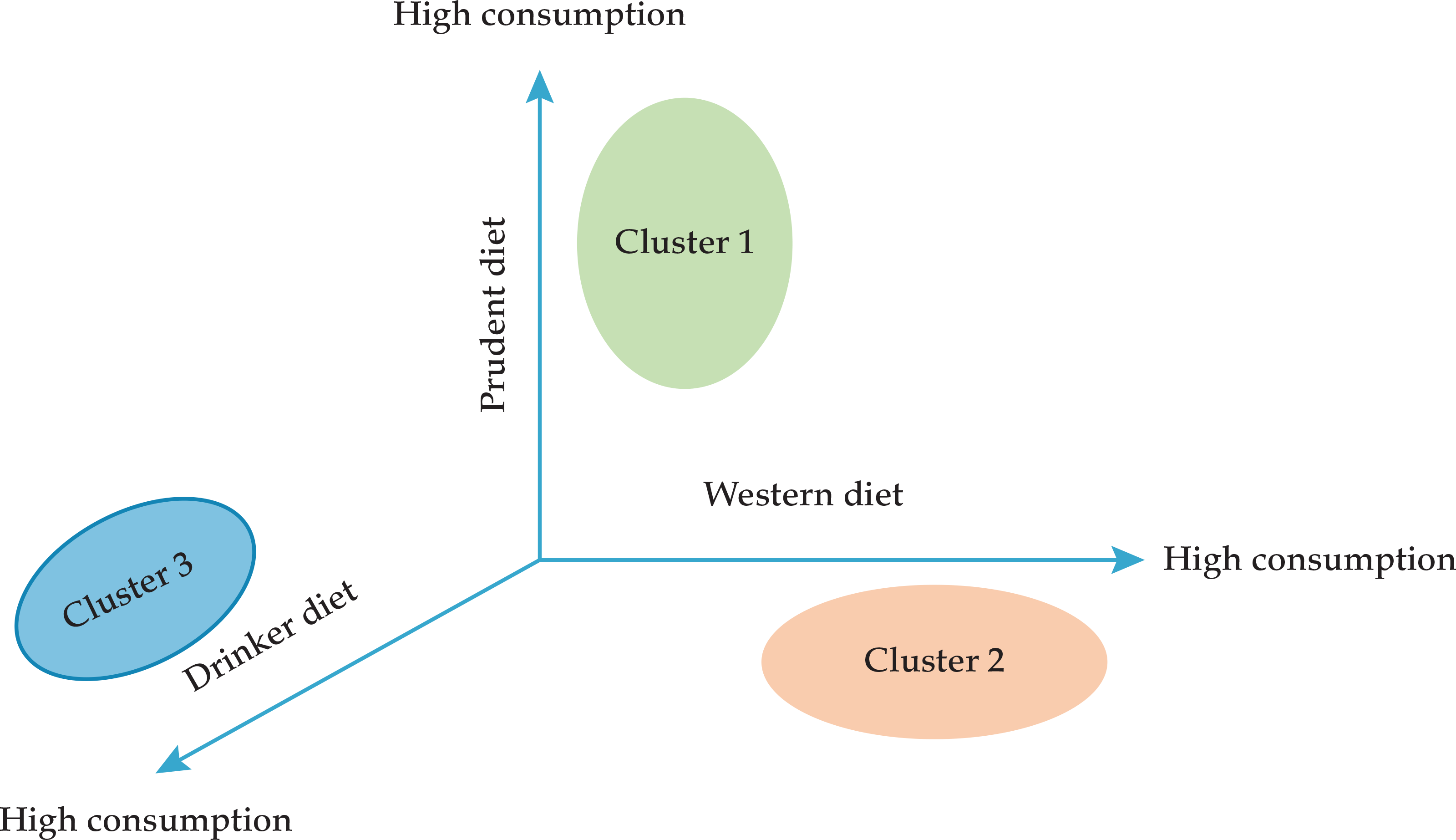
    • Accumulating evidence suggests that healthy dietary patterns are associated with a reduced risk of cancer.
    • Dietary guidelines are moving toward recommending healthy dietary patterns to improve health and reduce chronic disease burden in the US population.
    • Continuous efforts need to be devoted to better characterize dietary patterns in association with cancer risk by studying cancer subtypes and population subgroups, with a better approach that can accurately assess dietary patterns throughout the life cycle.

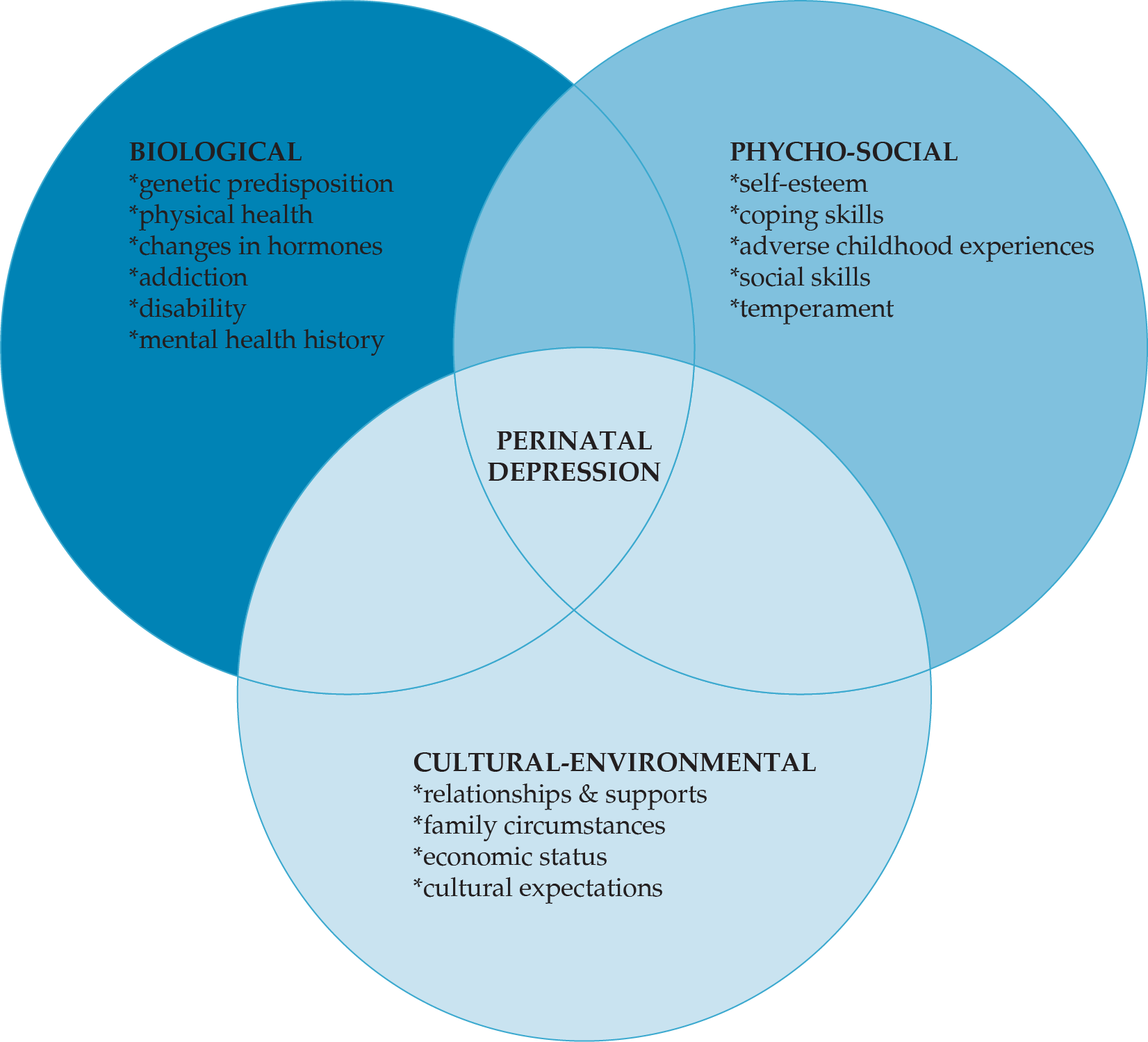
Perinatal Depression

    • Evidence that pregnant and postpartum women should be screened for depression using a validated tool, within the context of systems ensuring effective diagnosis, treatment and follow-up.
    • Evidence that early identification and treatment with psychotherapy and pharmacotherapy can ameliorate perinatal depression
    • Treatment discussions must involve shared-decision making between the patient and the provider accounting for both the risks of untreated illness and the risks of treatment.
    • One in five women who screen positive for perinatal depression will have bipolar disorder; these women are at greatest risk for psychosis, suicide and infanticide. A bipolar disorder screen should be performed especially prior to initiating unopposed antidepressant pharmacotherapy and if positive, referral should be made to a psychiatric provider.

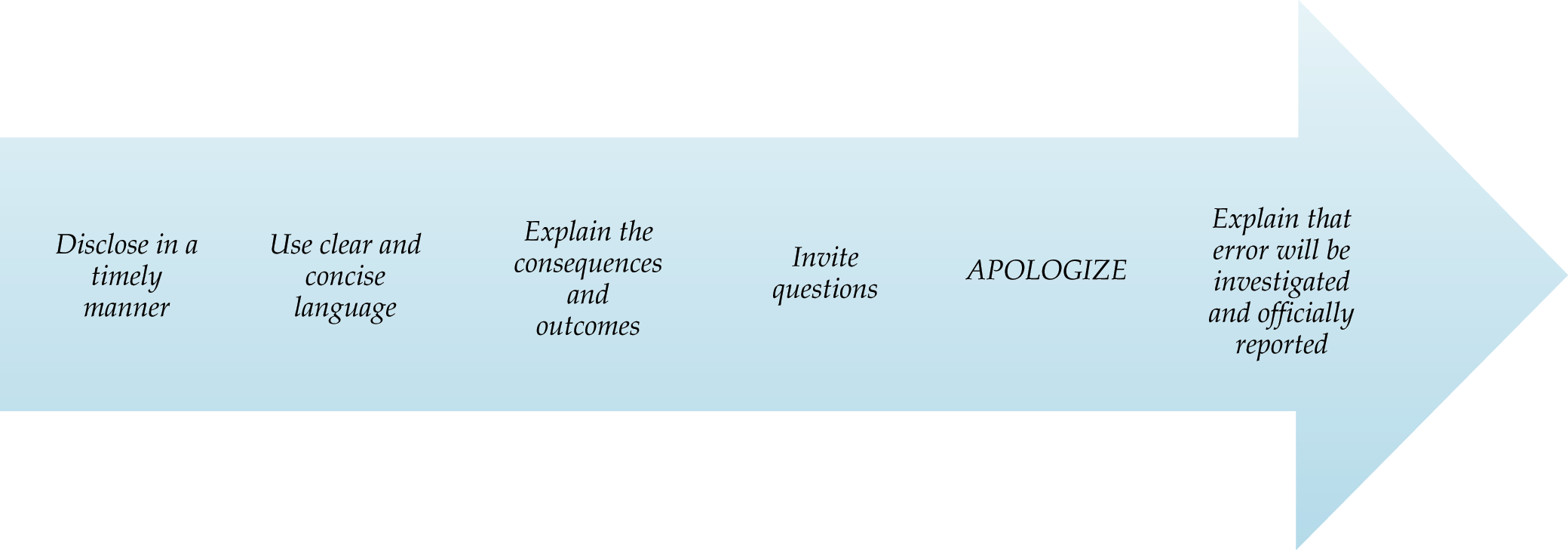
Disclosure of Error in the Intensive Care Unit

    • Review of proper disclosure of medical error to patients and families
    • Role of patient and family advisory councils in improving patient experience
    • Using “just culture” to balance patient safety and accountability

Nutrition For Healthy Infants And Toddlers 

    • Vitamin D supplementation at 400 IU/day for fully or partially breast-fed babies or infants taking less than 1 L/day of proprietary infant formula
    • Plot children under 2 years of age on the World Health Organization growth chart and assess nutritional status based on Z scores
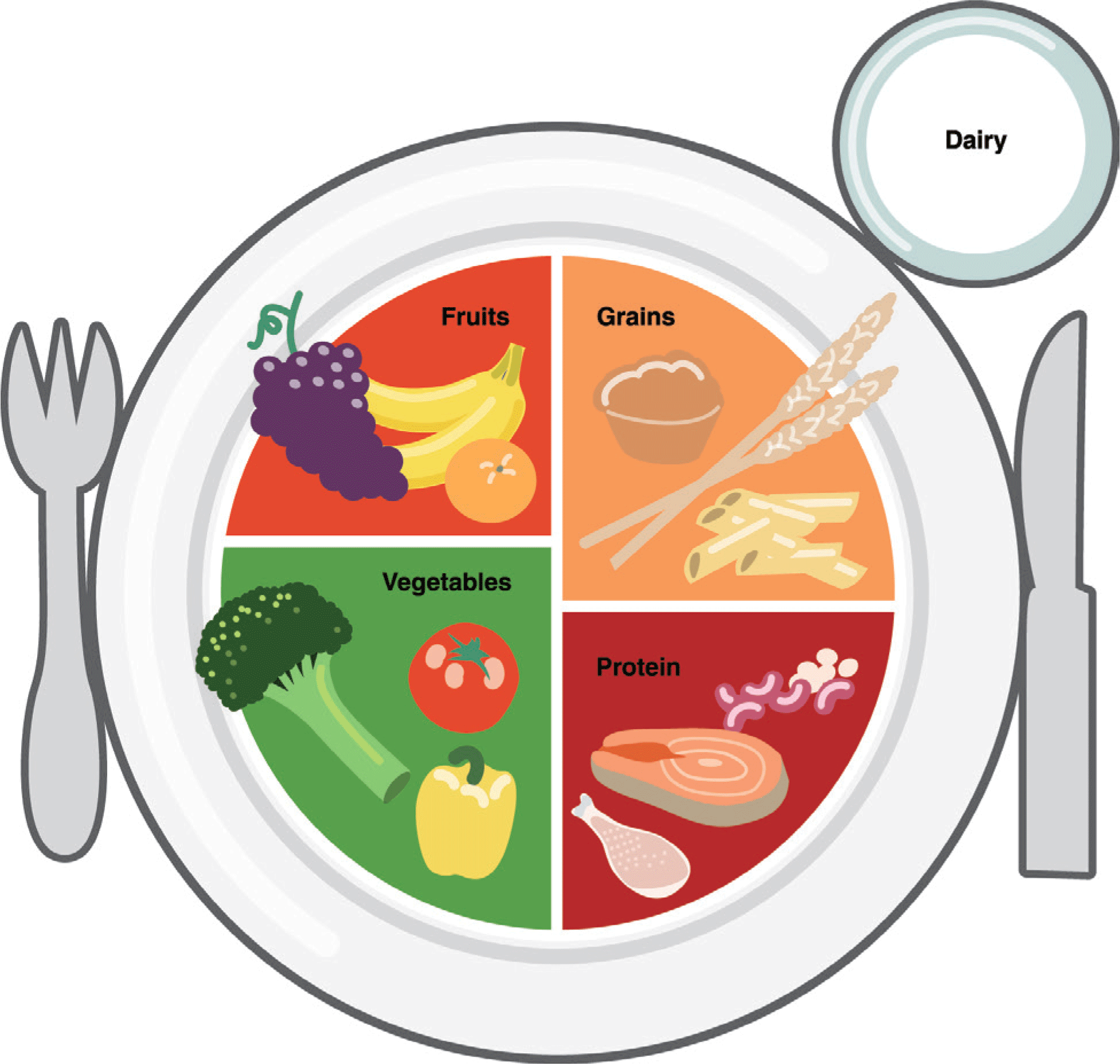
    • Use the My Plate model for healthy eating portions and food groups versus the Food Guide Pyramid
    • Do not delay or limit the types of foods when introducing solids to prevent food allergies

Nutrition For The Healthy Adolescent

    • My Plate model for healthy eating portions and food groups versus the Food Guide Pyramid
    • Estimated energy requirement to assess energy needs for adolescents
    • Avoidant restrictive intake disorder and binge eating disorder diagnosis criteria
« Previous | Next »
Updates per yearSpecialty updatesNumber of sections