- Increasing recognition of the importance of home-based and ambulatory blood pressure monitoring reflected in expanded indications for use
- Specific guidance from professional societies with regard to patients with chronic kidney disease
- Recent clinical outcomes trials adding important data about optimal treatment targets
- 2020 ISH and 2017 ACC/AHA practice guidelines indicating role of telehealth strategies in management of hypertension in adults.
Latest Updates

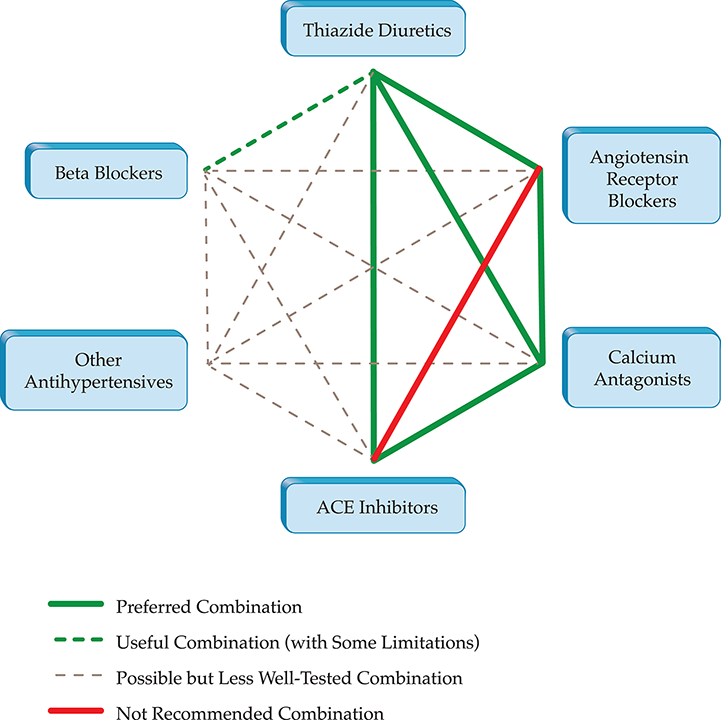

- Increasing recognition of the importance of home-based and ambulatory blood pressure monitoring reflected in expanded indications for use
- Specific guidance from professional societies with regard to patients with chronic kidney disease
- Recent clinical outcomes trials adding important data about optimal treatment targets
- 2020 ISH and 2017 ACC/AHA practice guidelines indicating role of telehealth strategies in management of hypertension in adults.

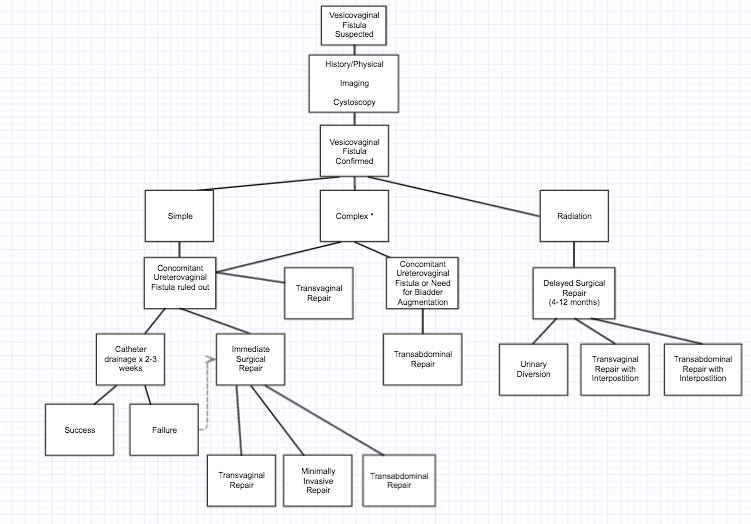
Urogenital Fistulas and Female Urethral Diverticula
- For iatrogenic vesicovaginal fistula, delaying repair until healing has occurred is no longer mandatory, and outcomes for immediate repair are comparable to delayed repairs.
- Concomitant stress incontinence surgery with autologous fascial pubovaginal sling at the same time as repair of complex urethral diverticula appears to be safe and effective.
- MRI is a valuable tool for surgical planning and is recommended prior to urethral diverticulectomy.

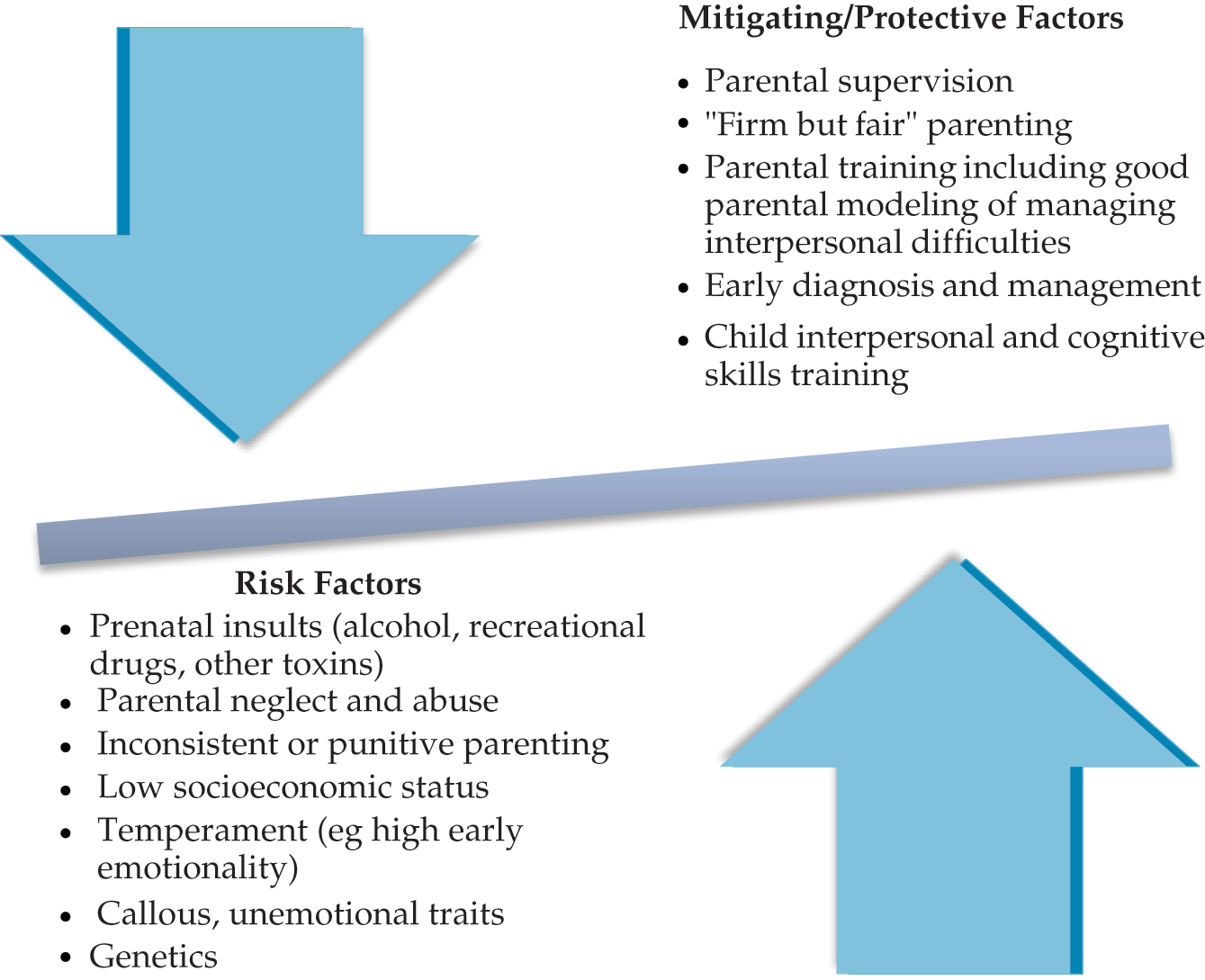
Oppositional Defiant Disorder and Its Clinical Management
- Oppositional defiant disorder (ODD) has a high prevalence and substantial morbidity
- Diagnosis of ODD is based on a careful history, interview, mental status examination, and collateral information from school.
- Disruptive mood dysregulation disorder is a new DSM-5 diagnosis that should be carefully considered in the differential diagnosis of children and adolescents with ODD
- Genetic and neuroimaging studies have examined the possible neurobiological basis of ODD, but to date there is no definitive biomarker or biological findings in ODD.
- Parent behavioral management training and psychosocial interventions are the cornerstone of treatment planning for ODD.

Oppositional Defiant Disorder and Its Clinical Management
- Oppositional defiant disorder (ODD) has a high prevalence and substantial morbidity
- Diagnosis of ODD is based on a careful history, interview, mental status examination, and collateral information from school.
- Disruptive mood dysregulation disorder is a new DSM-5 diagnosis that should be carefully considered in the differential diagnosis of children and adolescents with ODD
- Genetic and neuroimaging studies have examined the possible neurobiological basis of ODD, but to date there is no definitive biomarker or biological findings in ODD.
- Parent behavioral management training and psychosocial interventions are the cornerstone of treatment planning for ODD.
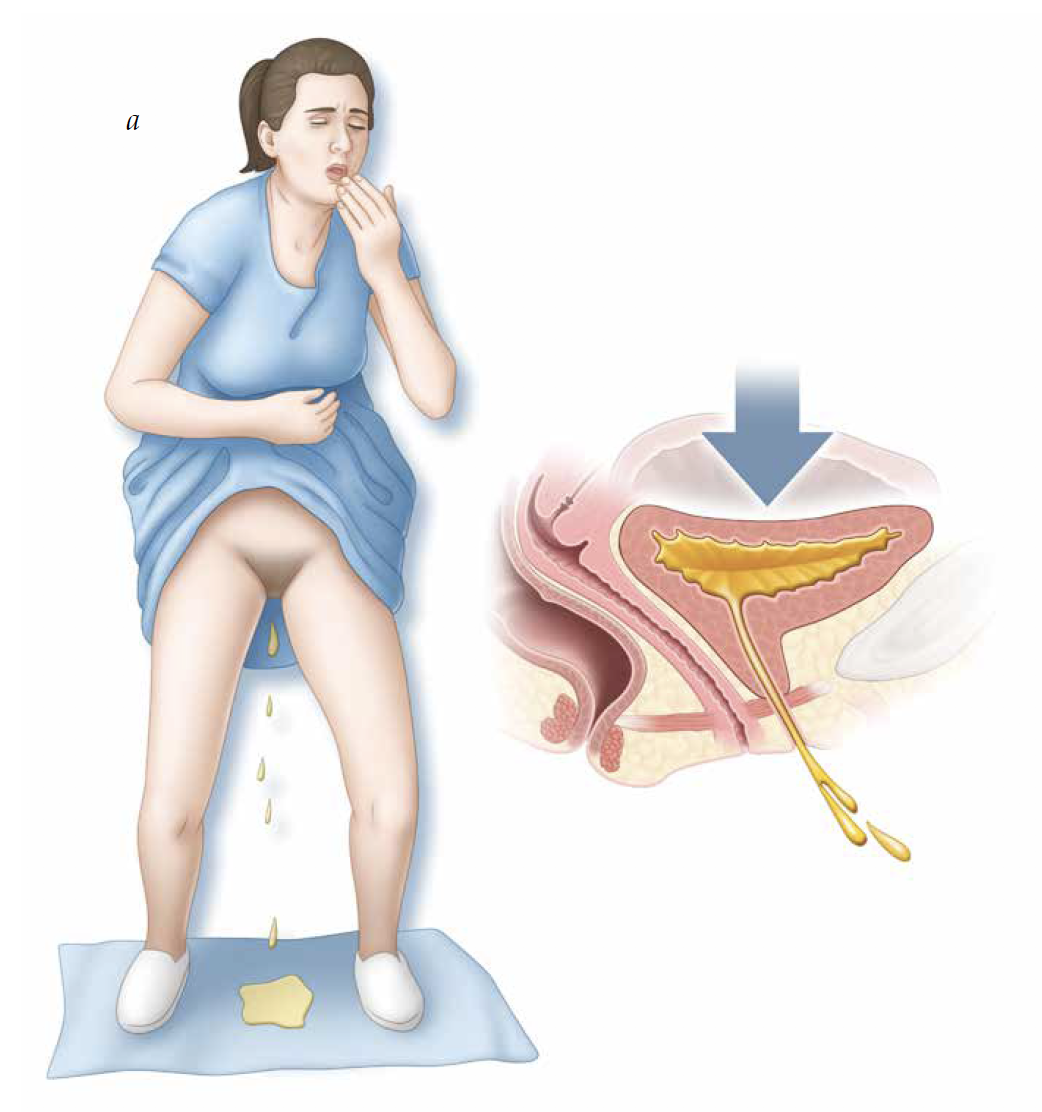
Surgical Treatment of Female Stress Urinary Incontinence: Midurethral Slings
- The concept of “dynamic kinking,” or the urethral compression that occurs with physical exertion, is critical to understanding the mechanism by which a tension-free midurethral sling works for stress urinary incontinence.
- No significant difference in subjective or objective outcomes has been noted for transobturator versus retropubic slings, with success rates ranging from 80 to 90%.
- Sling complications are either functional or mesh specific. The most common mesh-specific complication is mesh exposure, which occurs in 0 to 4.4% of cases.
Management of Depression, Part 2: Treatment Options
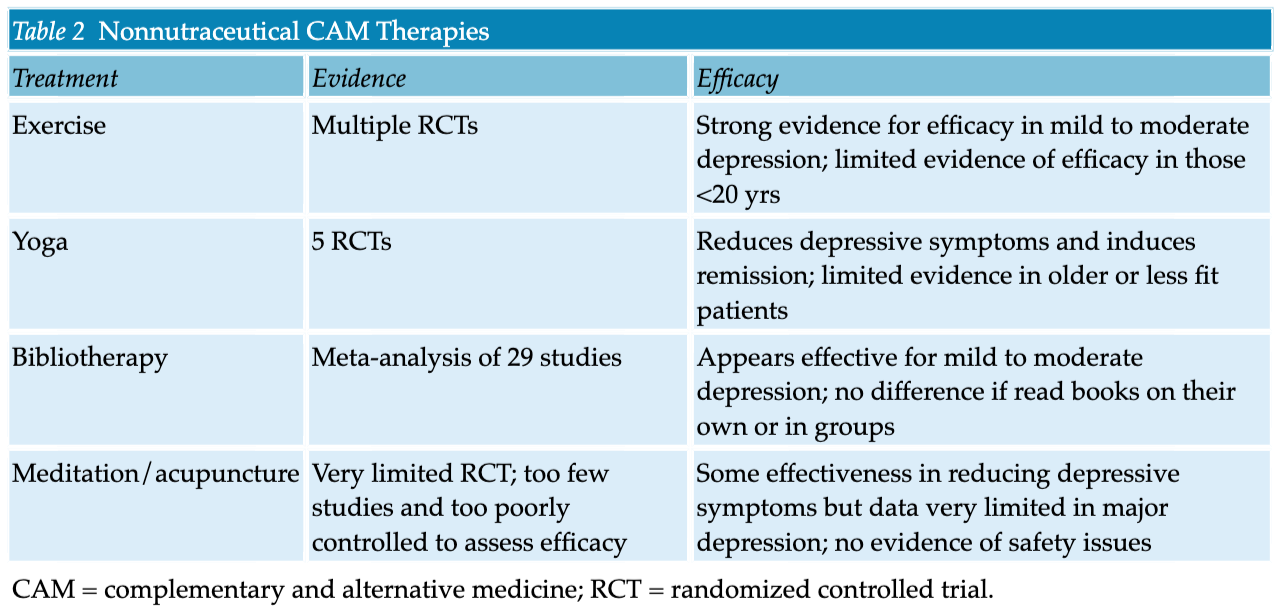
- Cognitive-behavioral therapy (CBT) is typically more structured and shorter duration and centers on identifying thoughts and beliefs and how they impact feelings and behaviors. The therapist helps individuals label and challenge these thoughts and beliefs, and often homework is assigned to identify and counter these as they occur in their daily life.
- All guidelines agree that an antidepressant trial should be a minimum of 4 weeks and up to 8 to 12 weeks at an adequate duration and dose. Even with dozens of antidepressant therapies on the market, overall response rates are still suboptimal, and remission rates remain low.
- There are few data on long-term use of antidepressants. Studying relapse and prevention therapies is challenging because of the heterogeneity of the disease and difficulty retaining subjects in long-term antidepressant studies.

Cervical Dysplasia and Human Papillomavirus
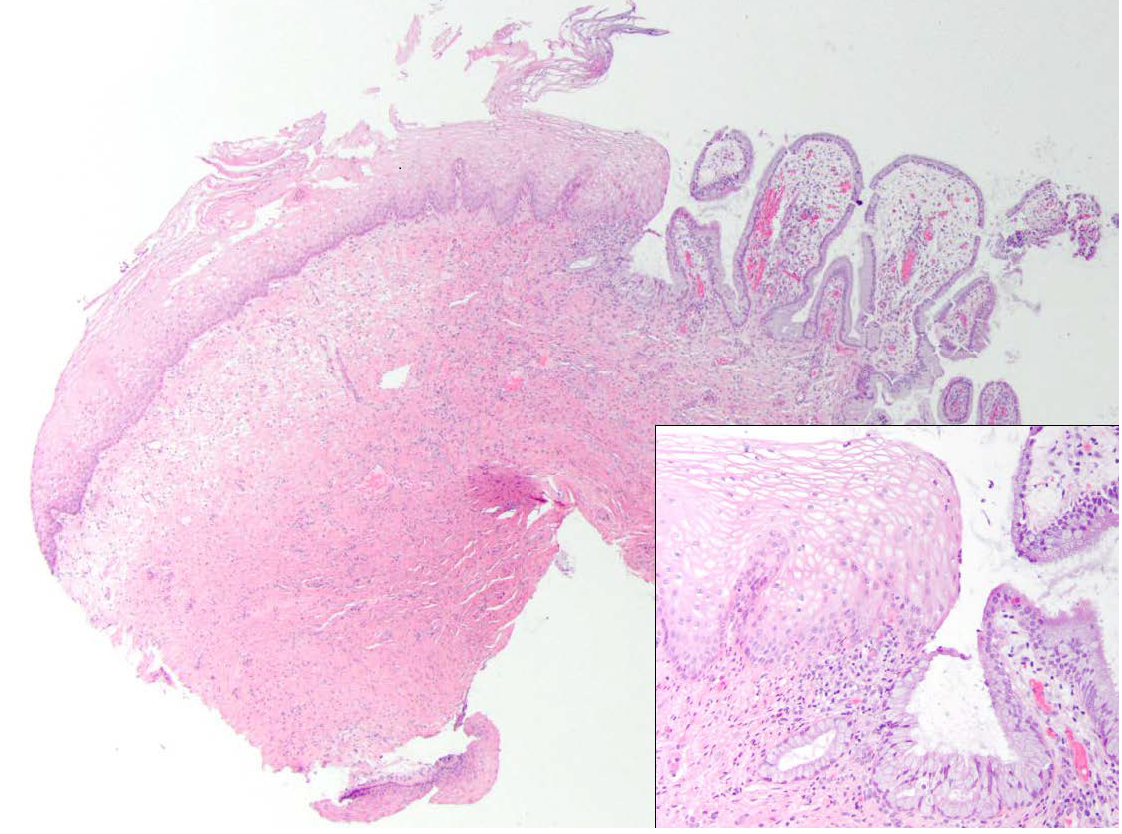
- Large randomized trials of Pap and HPV cotesting found that after extended follow-up, the incidence of invasive cervical cancer was significantly lower in women initially screened with HPV-based testing compared with cytology alone.
- Screening that includes assessment of HPV status provides 60 to 70% greater protection against invasive cervical carcinomas compared with cytology alone.
- Vaccination rates for the HPV vaccine, approved in the United States since 2006, are well below national goals, and provider recommendation has been found to be the most important factor influencing a patient’s or parent’s decision as to whether or not to accept the HPV vaccine.
|
Next »








.png)